Service Hotline:13510328459
 205-206, 2nd Floor, Building 2, Xiazao Village Industrial Zone, Gaofeng Community, Dalang Street, Longhua District, Shenzhen City
Service Hotline:13510328459
205-206, 2nd Floor, Building 2, Xiazao Village Industrial Zone, Gaofeng Community, Dalang Street, Longhua District, Shenzhen City



Time:2025-11-28 Preview:
In the realm of nursing home design and renovation, visual tools play a pivotal role in bridging ideas and execution. Nursing Home Hidden Track Images stand out as a versatile resource, serving multiple purposes across the entire project lifecycle—from initial design conceptualization to final resident experience validation. Unlike single-purpose visual materials, these images capture the essence of how hidden track systems blend with senior-friendly environments, showcasing both aesthetic integration and functional performance. When paired with core senior care infrastructure such as nursing home handrails, hospital handrails, anti-microbial curtains, and custom anti-microbial panels, Nursing Home Hidden Track Images become an indispensable asset for facility operators, designers, and care teams alike.
Effective communication among stakeholders is key to successful nursing home projects, and Nursing Home Hidden Track Images streamline this process significantly. For designers, these images translate abstract design concepts into tangible visuals, making it easy to convey how hidden tracks will enhance space utilization while maintaining a homelike atmosphere. For facility administrators, the images provide a clear understanding of how the track system will align with safety regulations and care goals, eliminating misunderstandings about installation scope or aesthetic outcomes. For contractors, Nursing Home Hidden Track Images offer precise visual references, reducing errors during installation by clarifying how the track integrates with other components like nursing home handrails or wall structures. This universal visual language ensures all teams are on the same page, accelerating project timelines and minimizing rework.
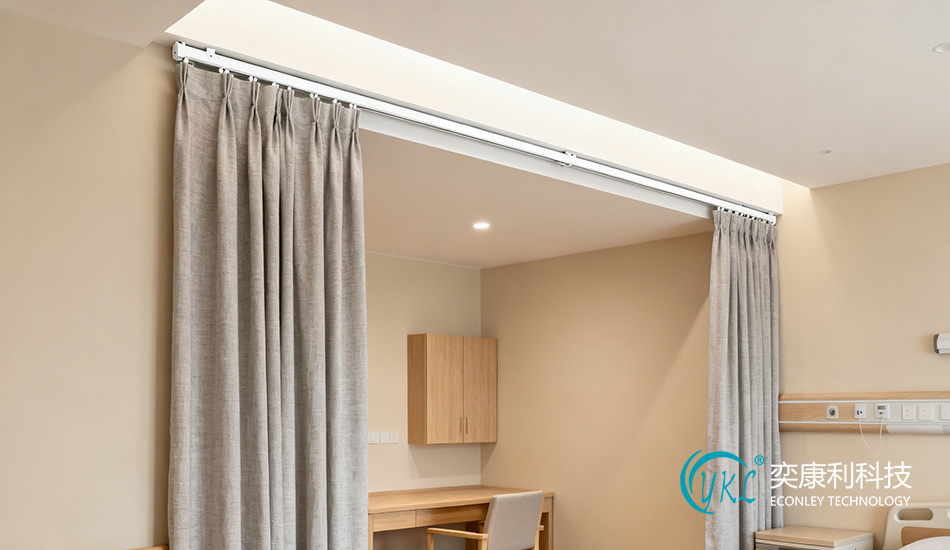
Resident-centered design is the cornerstone of modern senior care, and Nursing Home Hidden Track Images play a crucial role in validating that the track system meets elderly residents’ unique needs. These images allow facility teams to assess how hidden tracks contribute to a safe, comfortable environment—for example, verifying that the installation doesn’t create tripping hazards for residents with mobility issues or add visual clutter that could agitate those with dementia. By reviewing images of the track in real resident rooms or communal areas, teams can anticipate how it will support daily activities, such as providing privacy during personal care or facilitating easy movement with walkers. Nursing Home Hidden Track Images also enable facilities to gather feedback from residents or their families, ensuring the final design prioritizes their comfort and dignity.
One of the key challenges in nursing home infrastructure upgrades is ensuring component compatibility, and Nursing Home Hidden Track Images provide clear guidance in this area. High-quality images showcase how hidden tracks work in harmony with nursing home handrails, ensuring consistent pathway widths and unobstructed access to support for residents. They also demonstrate the synergy between the track system and anti-microbial curtains or custom anti-microbial panels, highlighting how these combined elements create a hygienic environment by eliminating dust and pathogen hiding spots. For facilities looking to upgrade multiple systems simultaneously, Nursing Home Hidden Track Images offer a holistic view of how all components integrate, helping to avoid compatibility issues that could compromise safety or functionality. This compatibility guidance simplifies product selection and ensures a cohesive infrastructure design.
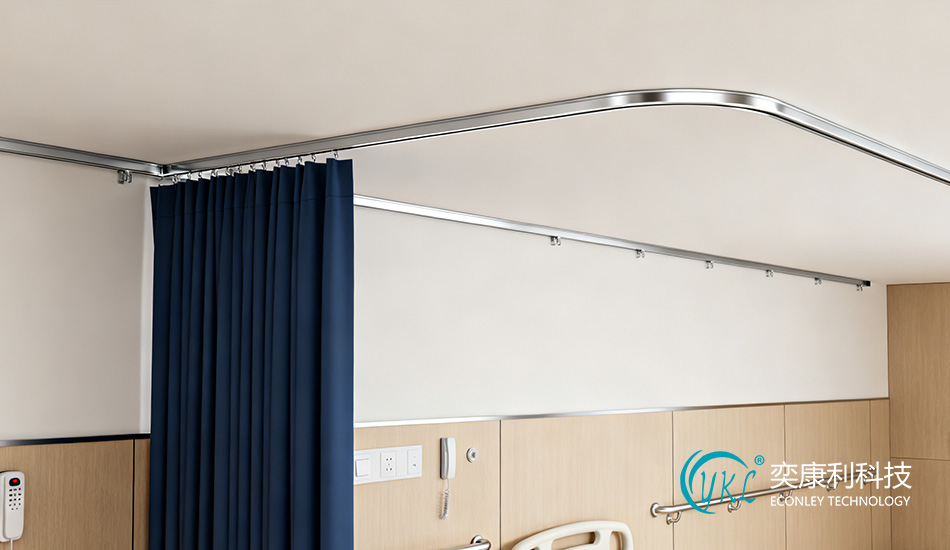
Nursing Home Hidden Track Images are highly adaptable, serving distinct purposes at every stage of a nursing home project. During the planning phase, conceptual images help refine design ideas and secure stakeholder approval by visualizing the track’s place in the overall space. In the selection phase, detailed images of installed systems provide insights into real-world performance, aiding in comparing different product options. During installation, on-site reference images guide contractors to ensure accurate implementation. Post-installation, images document the final result, serving as a record for compliance audits and future maintenance. This adaptability makes Nursing Home Hidden Track Images a long-lasting resource that adds value throughout the project’s lifecycle, from initial planning to ongoing operations.
Beyond project execution, Nursing Home Hidden Track Images also play a role in building a facility’s reputation and trust with the community. Prospective residents and their families often seek visual proof of a nursing home’s commitment to safety and comfort, and these images showcase the thoughtful design elements that prioritize resident well-being. For example, images of hidden tracks integrated with warm, residential-style interiors help counter the clinical stereotype of senior care facilities, highlighting a homelike atmosphere. Sharing these images on websites or marketing materials demonstrates transparency and attention to detail, helping to differentiate the facility in a competitive market. Over time, this visual storytelling supports resident retention and community trust, as it reinforces the facility’s dedication to providing high-quality care.
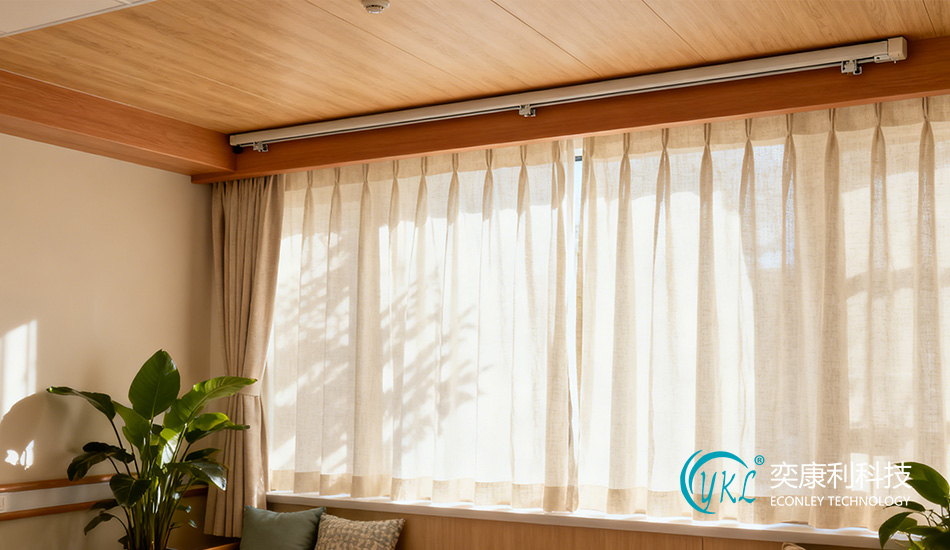
To maximize the value of Nursing Home Hidden Track Images, it’s important to select images that are relevant, high-quality, and aligned with the facility’s goals. Relevant images should showcase scenarios that match the facility’s type—whether it’s a small community nursing home, a large senior care campus, or a specialized memory care unit. High-quality images should be clear and well-lit, allowing stakeholders to easily assess details like track integration and aesthetic appeal. Images that highlight the track’s compatibility with other senior care products, such as nursing home handrails or anti-microbial curtains, are also more impactful, as they demonstrate a holistic approach to facility design. Avoiding overly staged or generic images ensures authenticity, which is critical for building trust among stakeholders and prospective residents.
In conclusion, Nursing Home Hidden Track Images are far more than just visual aids—they are a multifunctional tool that drives efficiency, supports resident-centered design, and builds trust. Their ability to simplify communication, validate compatibility, adapt to different project stages, and enhance facility branding makes them indispensable for modern senior care facilities. By leveraging these images effectively, nursing home operators and designers can ensure that hidden track systems are not only functional and safe but also contribute to a warm, dignified environment where residents thrive. For any facility committed to excellence in senior care design and operations, Nursing Home Hidden Track Images are a valuable investment that delivers long-term returns.
 Tel :13510328459
 Email :493432861@qq.com
 Phone :0755-82154850/25907050
 Add:205-206, 2nd Floor, Building 2, Xiazao Village Industrial Zone, Gaofeng Community, Dalang Street, Longhua District, Shenzhen City

About

Products
Cases
News
Contact
 493432861@qq.com