Service Hotline:13510328459
 205-206, 2nd Floor, Building 2, Xiazao Village Industrial Zone, Gaofeng Community, Dalang Street, Longhua District, Shenzhen City
Service Hotline:13510328459
205-206, 2nd Floor, Building 2, Xiazao Village Industrial Zone, Gaofeng Community, Dalang Street, Longhua District, Shenzhen City



Time:2025-11-28 Preview:
When planning renovations or upgrades in nursing homes, balancing safety, functionality, and a homelike atmosphere is a top priority for facility operators and designers. Nursing Home Hidden Track Installation Renderings emerge as a crucial tool in this process, offering visual clarity that transforms abstract design concepts into tangible plans. Unlike generic design sketches, these specialized renderings focus on how hidden track systems integrate with senior-centric spaces, helping stakeholders anticipate installation challenges, align on aesthetic goals, and ensure the final setup meets the unique needs of elderly residents. When paired with essential senior care infrastructure such as nursing home handrails, hospital handrails, anti-microbial curtains, and custom anti-microbial panels, Nursing Home Hidden Track Installation Renderings become the foundation for a seamless, safe, and dignified care environment.
Nursing Home Hidden Track Installation Renderings address critical pain points in senior care facility planning that traditional design tools overlook. For nursing home administrators, visualizing how hidden tracks will fit into existing or new spaces eliminates guesswork—ensuring the installation won’t disrupt pathways, interfere with handrails, or compromise accessibility for residents with mobility aids like wheelchairs or walkers. For designers, these renderings help translate senior-centric design principles into actionable plans, such as ensuring hidden tracks blend with the facility’s aesthetic to maintain a residential feel rather than a clinical one. For care teams, the renderings provide insight into how the installed tracks will support daily workflows, such as easy curtain operation for privacy during personal care or quick reconfiguration of communal spaces. Without clear installation renderings, facilities risk costly rework, misaligned stakeholder expectations, or final setups that fail to meet resident safety and comfort needs.
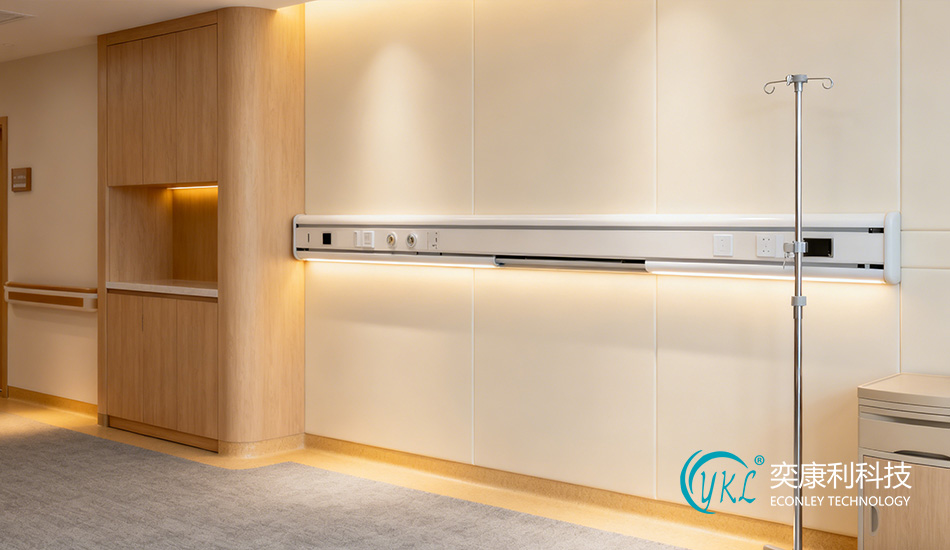
Nursing Home Hidden Track Installation Renderings deliver three key benefits that drive successful senior care facility projects: risk mitigation, stakeholder alignment, and design optimization. Risk mitigation is achieved by identifying potential installation issues early—such as conflicts with existing electrical systems, structural limitations, or gaps that could pose fall risks—before construction begins. Stakeholder alignment is simplified as renderings provide a common visual language for administrators, designers, contractors, and care teams to discuss and approve plans, reducing misunderstandings and delays. Design optimization is enhanced by allowing stakeholders to test different configurations virtually, such as adjusting track placement in private rooms vs. communal areas or selecting curtain styles that complement the hidden track system. These values make Nursing Home Hidden Track Installation Renderings a cost-effective investment that safeguards project timelines and outcomes.
Nursing Home Hidden Track Installation Renderings are engineered to prioritize the unique needs of elderly residents, ensuring the final installation enhances safety and dignity. For residents with dementia or cognitive impairments, renderings help design teams visualize how hidden tracks will reduce visual clutter—avoiding exposed hardware that can trigger anxiety or disorientation. For those with mobility limitations, renderings confirm that track installation won’t narrow pathways or create obstacles, ensuring seamless movement alongside nursing home handrails. The renderings also allow facilities to test how the hidden track system will support privacy without sacrificing staff visibility—critical for balancing resident dignity with responsive care. By focusing on these senior-centric details, Nursing Home Hidden Track Installation Renderings ensure the final installation isn’t just functional, but also nurturing to residents’ emotional and physical well-being.
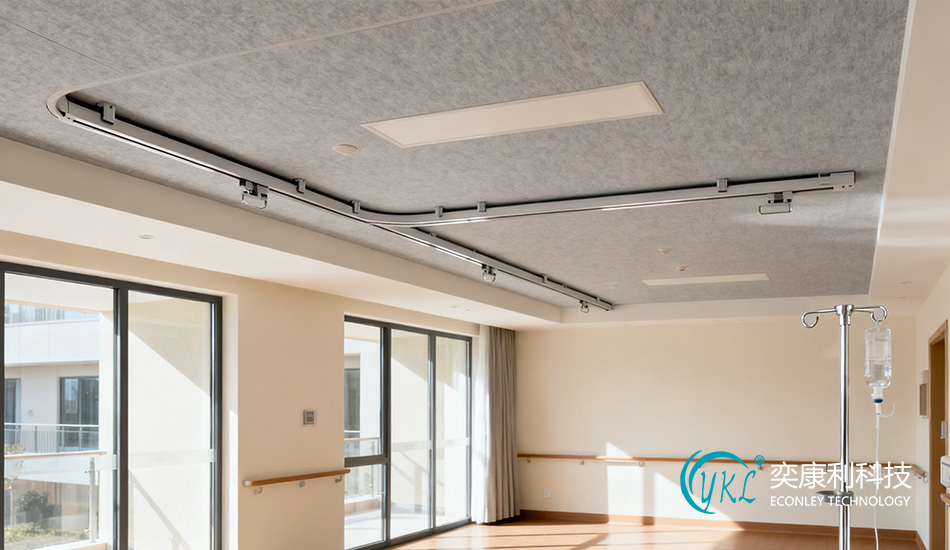
The most effective Nursing Home Hidden Track Installation Renderings are not standalone tools—they integrate seamlessly with plans for other core senior care products. Renderings can show how hidden tracks pair with nursing home handrails and hospital handrails, ensuring consistent pathway width and unobstructed access to support. They also visualize how the tracks will work with anti-microbial curtains and custom anti-microbial panels, highlighting how the entire system contributes to infection control by eliminating crevices where pathogens can accumulate. For facilities undergoing full renovations, these integrated renderings provide a holistic view of the space, ensuring all components work in harmony to create a cohesive, safe environment. This integration simplifies project management, as contractors can reference a single visual guide for installing multiple systems, reducing errors and ensuring compliance with senior care safety standards.
Nursing homes vary widely in layout, age, and care focus, and Nursing Home Hidden Track Installation Renderings adapt to each scenario with flexibility. For historic nursing homes undergoing renovations, renderings help preserve architectural integrity by showing how hidden tracks can be installed without damaging existing structures. For new-build facilities, renderings support modular design planning, allowing tracks to be integrated into flexible spaces that can adapt to changing care needs (e.g., converting a communal area into a temporary therapy space). For specialized units like memory care or rehabilitation centers, renderings are tailored to show how hidden tracks support niche needs—such as quiet operation for memory care residents or durable installation for high-traffic rehabilitation zones. This adaptability ensures that no matter the facility’s unique requirements, Nursing Home Hidden Track Installation Renderings provide the specific visual guidance needed for success.
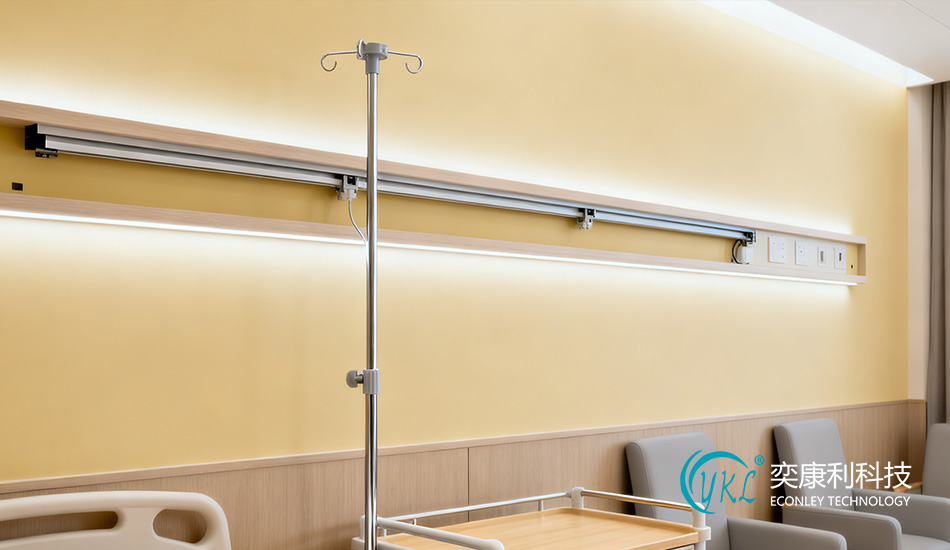
For nursing home operators, investing in Nursing Home Hidden Track Installation Renderings offers long-term value beyond the initial project. By ensuring the hidden track system is installed correctly the first time, renderings reduce maintenance and rework costs over time. They also support compliance with senior care regulations (such as ADA accessibility standards and infection control guidelines), as the visualized plans can be referenced during inspections to demonstrate adherence to safety requirements. Additionally, the renderings serve as a valuable reference for future upgrades or expansions, allowing facilities to build on existing infrastructure without disrupting resident care. When combined with high-quality hidden track systems and complementary senior care products, these renderings lay the groundwork for a facility that delivers exceptional care, retains residents and staff, and stands out in a competitive senior care market.
In conclusion, Nursing Home Hidden Track Installation Renderings are a vital tool for modern senior care facility planning and renovation. Their ability to visualize complex installations, mitigate risks, align stakeholders, and prioritize resident needs makes them indispensable for projects of any size. By leveraging these renderings to integrate hidden track systems with other core care infrastructure, nursing homes can create safe, dignified, and homelike environments that support both residents and care teams. For any facility committed to delivering high-quality senior care through thoughtful design, Nursing Home Hidden Track Installation Renderings are an investment that pays dividends in operational efficiency, resident satisfaction, and long-term success.
 Tel :13510328459
 Email :493432861@qq.com
 Phone :0755-82154850/25907050
 Add:205-206, 2nd Floor, Building 2, Xiazao Village Industrial Zone, Gaofeng Community, Dalang Street, Longhua District, Shenzhen City

About

Products
Cases
News
Contact
 493432861@qq.com