Service Hotline:13510328459
 205-206, 2nd Floor, Building 2, Xiazao Village Industrial Zone, Gaofeng Community, Dalang Street, Longhua District, Shenzhen City
Service Hotline:13510328459
205-206, 2nd Floor, Building 2, Xiazao Village Industrial Zone, Gaofeng Community, Dalang Street, Longhua District, Shenzhen City



Time:2025-11-26 Preview:
For healthcare facilities, investing in operating room (OR) infrastructure requires a careful balance between clinical performance and budget responsibility—and understanding Operating Room Medical Track Prices is key to making informed decisions. OR medical tracks are critical for maintaining sterility, supporting surgical workflows, and ensuring patient safety, but their pricing can vary significantly based on factors like design, durability, and compliance features. When evaluated alongside complementary healthcare products—such as hospital handrails, anti-microbial curtains/screens, custom anti-microbial panels, and nursing home handrails—facilities can build a cost-effective, cohesive OR ecosystem that doesn’t compromise on standards.
Operating Room Medical Track Prices are shaped by several core factors that align with OR-specific needs. First, compliance with global healthcare standards (e.g., ISO 13485, FDA guidelines) drives pricing, as tracks engineered to meet sterility and safety requirements require high-quality materials and precision manufacturing. Second, design complexity plays a role: modular tracks for flexible space division or specialized tracks for radiation protection (e.g., lead-lined compatibility) often come with a higher price tag than basic straight tracks. Third, durability impacts long-term value—tracks built to withstand frequent disinfection, heavy curtains, and daily use may have higher upfront costs but lower replacement expenses over time. Finally, supplier expertise matters: prices reflect the manufacturer’s experience in OR-specific solutions, ensuring the track integrates seamlessly with surgical workflows and equipment.
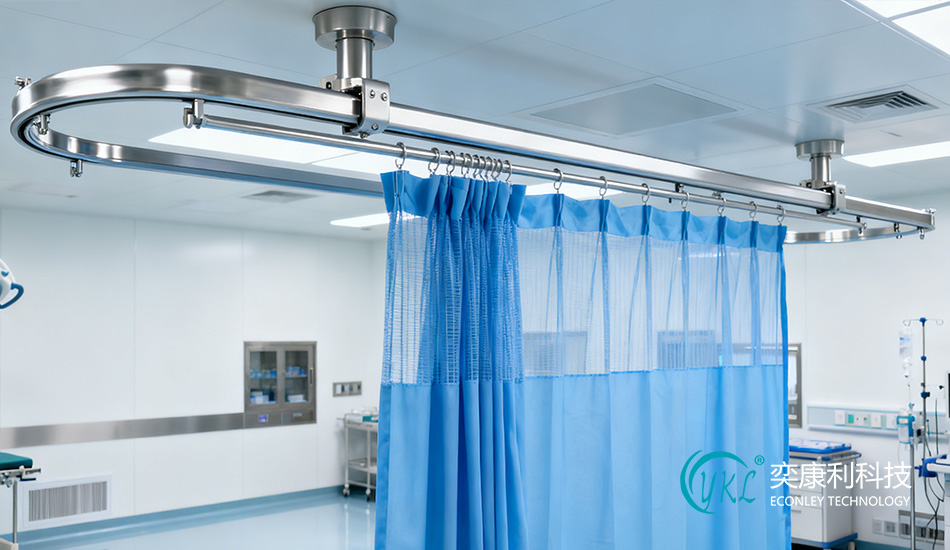
While budget constraints are a reality for healthcare facilities, prioritizing the lowest Operating Room Medical Track Prices can lead to hidden costs. Generic, low-cost tracks may lack smooth, crevice-free surfaces, increasing the risk of surgical site infections (SSIs) and costly patient treatments. Poorly constructed tracks may break or wear out quickly, requiring frequent replacements and disrupting OR operations. Non-compliant tracks can result in regulatory penalties or failed inspections, leading to expensive retrofits. Instead, facilities should focus on "value-based pricing"—investing in tracks that offer a balance of upfront affordability and long-term reliability, reducing the total cost of ownership while protecting patient safety.
Navigating Operating Room Medical Track Prices to find cost-effective options requires a strategic approach. Facilities can opt for standardized tracks for general ORs, which offer lower prices than fully customized solutions while still meeting core compliance needs. Bulk purchasing or bundling tracks with complementary products (e.g., anti-microbial curtains, hospital handrails) often unlocks volume discounts from suppliers. Additionally, choosing tracks with low-maintenance designs—such as easy-to-clean surfaces or replaceable components—reduces long-term upkeep costs. It’s also wise to evaluate suppliers that offer transparent pricing, with no hidden fees for installation support or post-purchase maintenance, ensuring facilities can accurately budget for the entire lifecycle of the track.
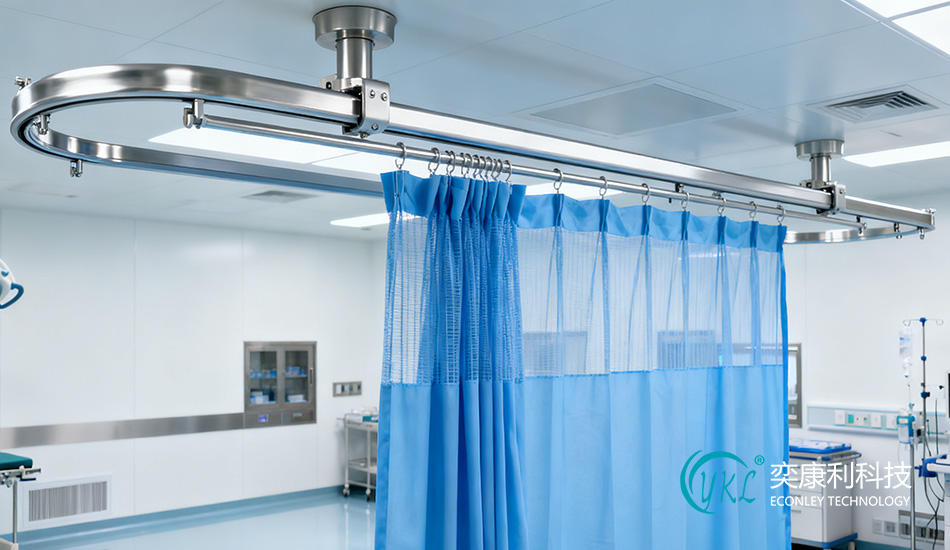
Cost-effective Operating Room Medical Track Prices don’t mean sacrificing integration with other OR essentials. Budget-friendly tracks still pair seamlessly with hospital handrails installed in OR corridors and recovery areas, supporting safe mobility without adding to costs. When combined with affordable anti-microbial curtains/screens and custom anti-microbial panels, they create a layered infection control strategy that fits within budget constraints. Many mid-range tracks also accommodate specialized OR needs, such as compatibility with lightweight surgical curtains or easy reconfiguration for multi-purpose ORs. This integration ensures facilities can build a cohesive OR environment without overspending, allocating resources to other critical areas like medical equipment or staff training.
Operating Room Medical Track Prices should be evaluated through the lens of long-term operational efficiency. A slightly higher upfront investment in a durable, workflow-aligned track can reduce surgery delays caused by track malfunctions, increasing OR throughput and revenue potential. Tracks designed for quick curtain deployment or easy reconfiguration save staff time, improving productivity and reducing labor costs. Compliance-focused tracks avoid the expense of regulatory penalties or SSI-related treatments, which can far exceed the initial price difference between low-cost and value-driven options. For facilities aiming to optimize their budget, the true value of an OR medical track lies in its ability to support consistent, safe, and efficient surgical care—making price a secondary consideration to performance.
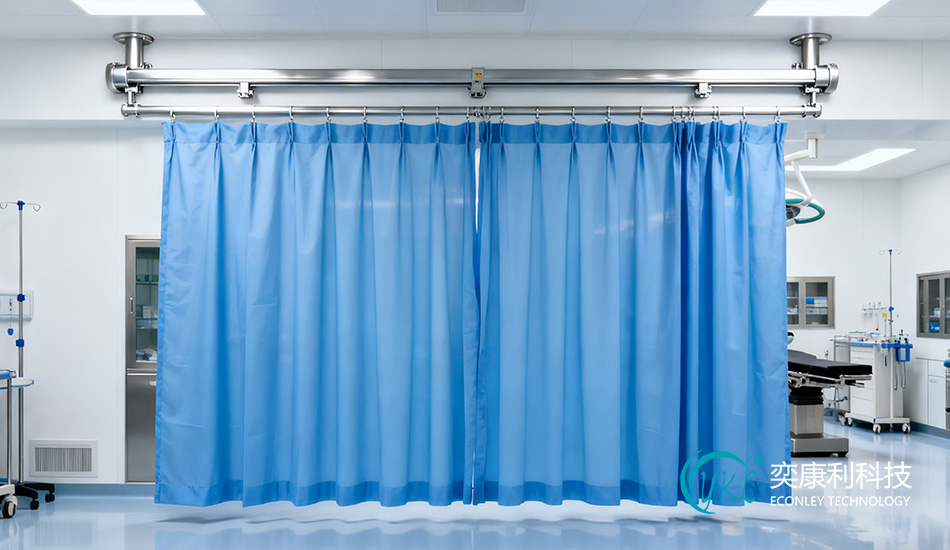
When researching Operating Room Medical Track Prices, facilities should prioritize suppliers that offer transparency and expertise. Reputable suppliers provide detailed breakdowns of pricing factors, helping administrators understand why certain tracks cost more and how those costs translate to benefits like durability or compliance. They also offer guidance on selecting the right track for specific OR needs—avoiding overpaying for unnecessary features or underspending on critical ones. Many suppliers also provide post-purchase support, such as installation guidance or maintenance tips, ensuring the track delivers maximum value. By partnering with transparent, knowledgeable suppliers, facilities can make confident decisions that balance price, quality, and clinical needs.
In conclusion, Operating Room Medical Track Prices are a critical consideration for healthcare facilities, but they should never overshadow the importance of quality, compliance, and efficiency. By understanding the factors that drive pricing, avoiding low-cost pitfalls, and focusing on long-term value, facilities can invest in tracks that support safe, effective surgical care while staying within budget. When paired with complementary, cost-effective products, these tracks create a cohesive OR infrastructure that delivers value for both patients and facilities. For administrators navigating budget constraints, the key is to view OR medical tracks as an investment in patient safety and operational excellence—not just an expense.
 Tel :13510328459
 Email :493432861@qq.com
 Phone :0755-82154850/25907050
 Add:205-206, 2nd Floor, Building 2, Xiazao Village Industrial Zone, Gaofeng Community, Dalang Street, Longhua District, Shenzhen City

About

Products
Cases
News
Contact
 493432861@qq.com