Service Hotline:13510328459
 205-206, 2nd Floor, Building 2, Xiazao Village Industrial Zone, Gaofeng Community, Dalang Street, Longhua District, Shenzhen City
Service Hotline:13510328459
205-206, 2nd Floor, Building 2, Xiazao Village Industrial Zone, Gaofeng Community, Dalang Street, Longhua District, Shenzhen City



Time:2025-10-31 Preview:
In today’s world, maintaining a healthy and clean environment is more critical than ever. Antibacterial window screens are an innovative solution to help keep indoor spaces safe by preventing bacteria from entering through windows. This article will delve into the technical parameter specifications of these screens, ensuring you understand what makes them effective and how they can be integrated into your home or business.
Antibacterial window screens are specially designed mesh screens that have been treated with antibacterial agents. These agents help reduce the growth of bacteria and other microorganisms on the screen surface, providing an added layer of protection beyond traditional window screens.
These screens work by utilizing materials that either inhibit bacterial growth or kill bacteria on contact. The antibacterial properties are often embedded within the screen material itself, ensuring long-lasting effectiveness without the need for constant maintenance or reapplication of antibacterial treatments.
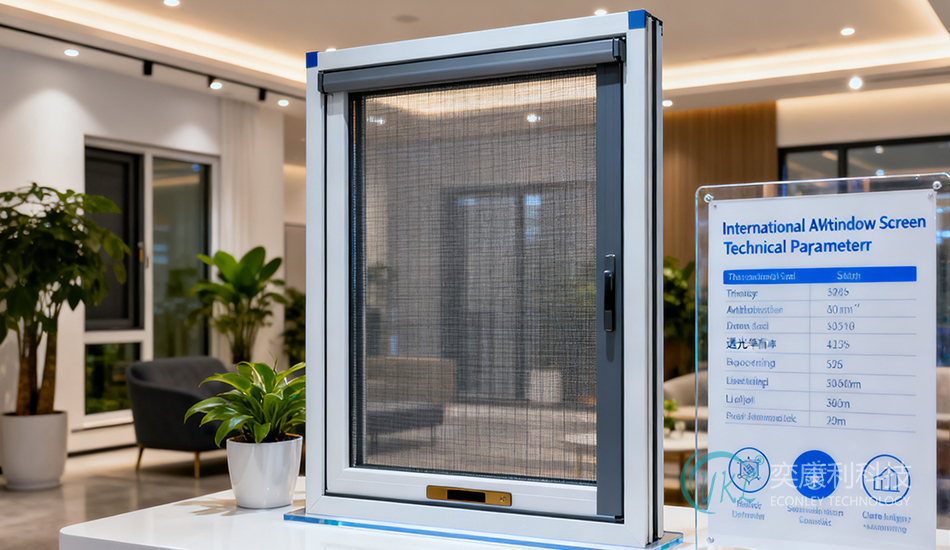
Understanding the technical specifications of antibacterial window screens is crucial for selecting the right product for your needs. Here are the key parameters to consider:
The primary materials used in antibacterial window screens include:
Polyester: Known for its durability and resistance to various environmental factors.
Fiberglass: Offers excellent strength and is commonly used in window screens.
Stainless Steel: Provides robust antibacterial properties and high resistance to corrosion.
These materials are often treated with antibacterial coatings or infused with antibacterial agents during the manufacturing process.
The mesh size and weave pattern are essential specifications that determine the screen’s effectiveness in blocking bacteria and other particulates. Common mesh sizes range from 18x16 to 20x20, with tighter weaves providing better protection against tiny particles.
The efficacy of the antibacterial treatment is a critical parameter. This is typically measured by the reduction rate of bacteria on the screen surface. Look for screens that offer a high reduction rate, indicating their effectiveness in maintaining a bacteria-free environment.
Antibacterial window screens should be able to withstand various environmental conditions, including:
UV Radiation: Resistance to sunlight to prevent degradation over time.
Moisture: Ability to repel water and prevent mold growth.
Temperature Fluctuations: Stability in both hot and cold climates.
Consider the ease of installation and compatibility with different window types. Many screens are designed for easy DIY installation, while others may require professional help. Ensure the screen is compatible with your window frame and size.
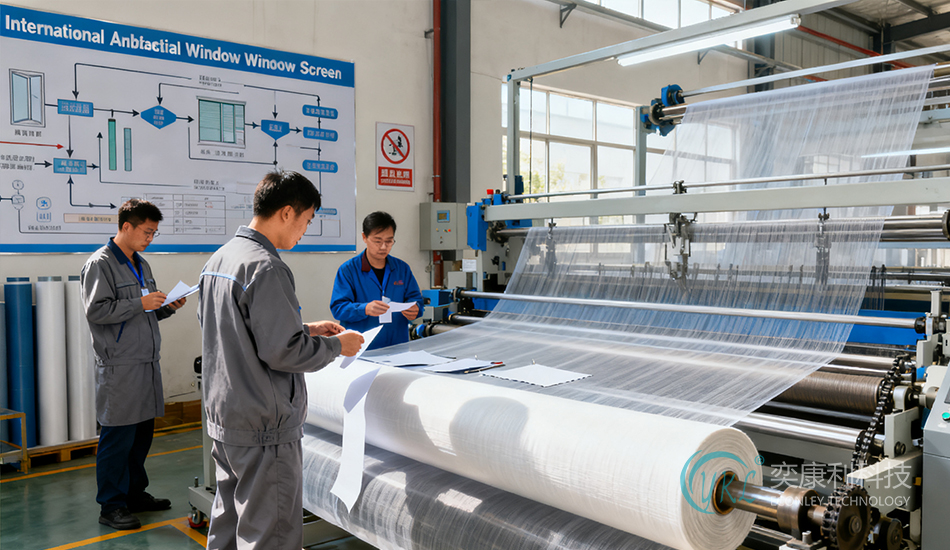
Antibacterial window screens should comply with international standards to ensure quality and safety. These standards may include:
ISO 22196: Measures the antibacterial activity of treated surfaces.
ASTM Standards: Provide guidelines for material quality and performance.
EPA Regulations: Ensure the use of safe and approved antibacterial agents.
Compliance with these standards ensures that the antibacterial window screens are effective, safe for use, and environmentally friendly. Always check for certification or labels indicating compliance with these international standards.
The implementation of antibacterial window screens offers numerous benefits:
Enhanced Hygiene: Reduces the risk of bacterial contamination indoors.
Improved Air Quality: Filters out dust and allergens along with bacteria.
Increased Comfort: Allows fresh air circulation while maintaining a clean environment.
Energy Efficiency: Helps regulate indoor temperatures by allowing for natural ventilation.
When selecting an antibacterial window screen, consider the following factors:
Evaluate the specific needs of your environment. For example, homes in humid areas may require screens with higher moisture resistance, while urban settings might benefit from tighter mesh sizes to block pollutants.
Antibacterial window screens come in various price ranges. Determine your budget and weigh the cost against the features and benefits offered. Investing in a high-quality screen may provide better long-term value.
Research different brands and read customer reviews to gauge the performance and reliability of their products. Opt for reputable brands with positive feedback and proven track records.
Proper installation and maintenance are vital to ensure the longevity and effectiveness of antibacterial window screens.
Measure Accurately: Ensure the screen fits snugly within the window frame.
Follow Instructions: Adhere to the manufacturer’s installation guidelines.
Seek Professional Help if Needed: For complex installations, consider hiring a professional.
Regular Cleaning: Gently clean the screens with mild soap and water to remove dirt and debris.
Inspect for Damage: Regularly check for tears or damage and repair promptly.
Reapply Antibacterial Coatings: If applicable, follow the manufacturer’s instructions for reapplying antibacterial treatments.
Antibacterial window screens are an excellent investment for enhancing the safety and cleanliness of indoor environments. By understanding their technical specifications and benefits, you can make an informed decision that meets your needs and ensures a healthier living space. Whether for residential or commercial use, these screens offer a practical solution for maintaining hygiene and comfort.
Embrace the future of clean living with antibacterial window screens and enjoy the peace of mind that comes with a healthier, more protected home or workspace.
 Tel :13510328459
 Email :493432861@qq.com
 Phone :0755-82154850/25907050
 Add:205-206, 2nd Floor, Building 2, Xiazao Village Industrial Zone, Gaofeng Community, Dalang Street, Longhua District, Shenzhen City

About

Products
Cases
News
Contact
 493432861@qq.com