Service Hotline:13510328459
 205-206, 2nd Floor, Building 2, Xiazao Village Industrial Zone, Gaofeng Community, Dalang Street, Longhua District, Shenzhen City
Service Hotline:13510328459
205-206, 2nd Floor, Building 2, Xiazao Village Industrial Zone, Gaofeng Community, Dalang Street, Longhua District, Shenzhen City


Time:2025-10-29 Preview:
In the world of healthcare, design and functionality go hand in hand. A well-designed hospital can greatly enhance the healing process, offering both patients and staff a more pleasant and efficient environment. Among the myriad design elements, partition curtains play a crucial role in ensuring privacy and flexibility within medical settings. Today, we delve into the concept of Japanese hospital partition curtains and explore real case images that showcase their unique features and applications.
Partition curtains are more than just a method of dividing space in a hospital setting. They ensure patient privacy, reduce noise, and help create a soothing environment. In Japanese hospitals, these curtains are designed with a keen sense of aesthetics and functionality, reflecting the nation's rich cultural heritage and innovative spirit.
One of the primary purposes of partition curtains is to provide privacy for patients. In a busy hospital, where multiple patients are often housed in a single room, these curtains become indispensable. They allow medical staff to attend to patients individually without disturbing others, thus maintaining a sense of personal space and dignity.
Hospitals can be noisy places. From the beeping of machines to conversations between doctors and patients, the cacophony can be overwhelming. Partition curtains in Japanese hospitals are often made from materials that help absorb sound, creating a quieter and more peaceful environment conducive to healing.
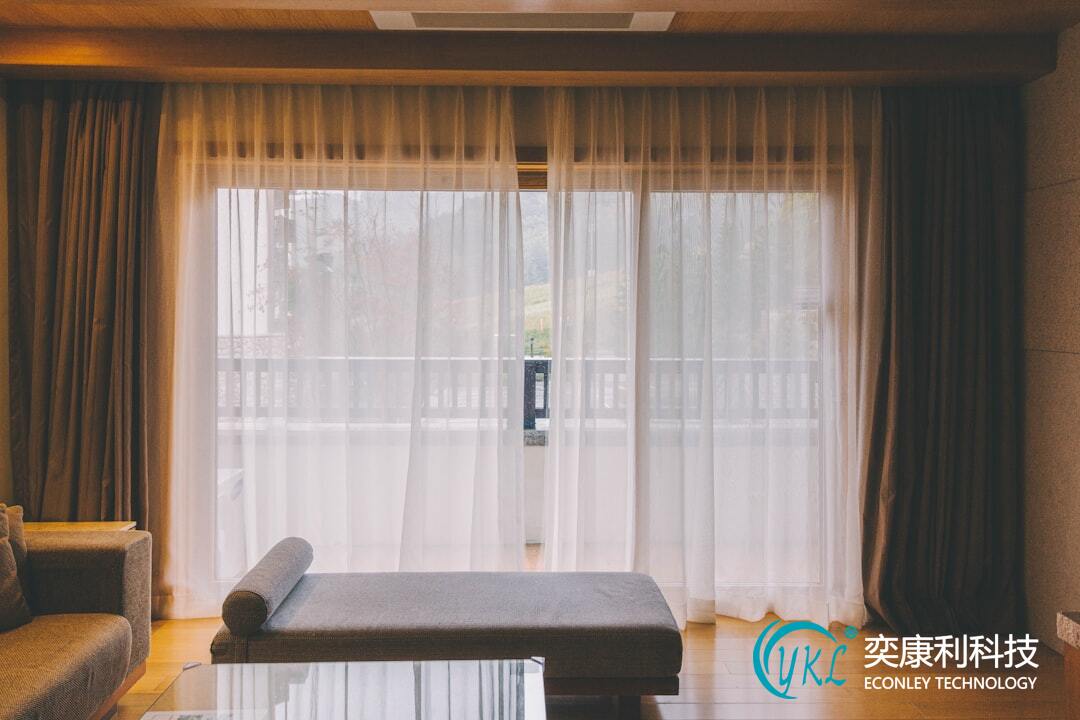
Japan is renowned for its minimalist design and attention to detail. These principles are evident in the design of hospital partition curtains, which are not only functional but also visually pleasing.
Japanese hospital partition curtains often feature natural materials and textures that promote a sense of calm. Fabrics such as cotton and linen are popular choices, offering both durability and a soft, welcoming touch. The use of natural fibers is also aligned with Japan's commitment to sustainability and environmental consciousness.
The colors and patterns used in Japanese hospital partition curtains are typically subtle and soothing. Pastel hues and gentle patterns are preferred, as they contribute to a serene atmosphere. This is particularly important in a hospital setting, where the goal is to reduce stress and promote healing.
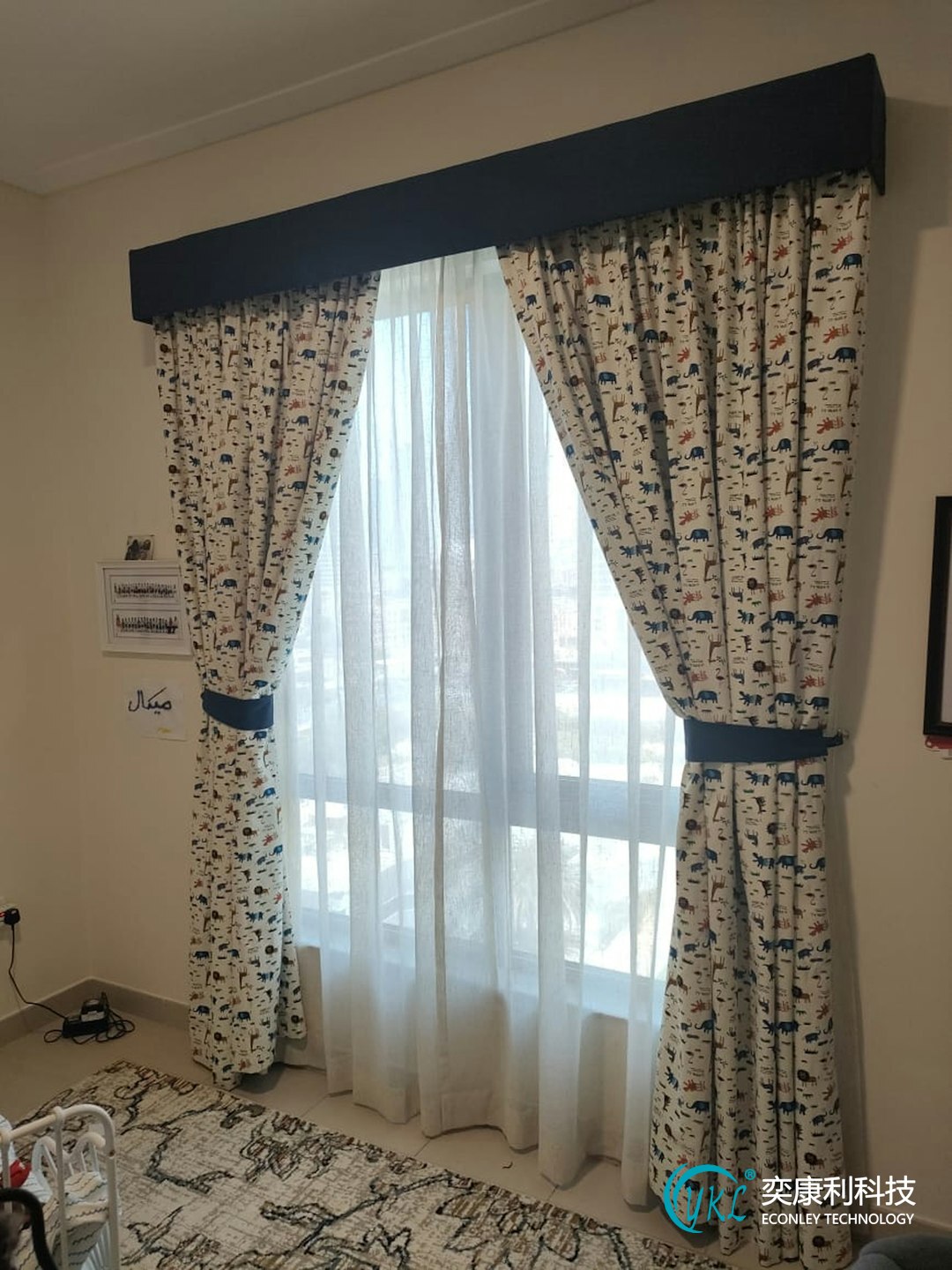
To truly appreciate the functionality and beauty of Japanese hospital partition curtains, let's explore some real case images that highlight their use in various settings.
In pediatric wards, partition curtains often feature playful designs and bright colors to create a child-friendly environment. These designs can include cartoon characters, animals, or simple geometric patterns that appeal to young patients and help distract them from the stress of being in a hospital.
Maternity wards require a delicate balance of privacy and openness. Partition curtains in these areas are designed to be easily adjustable, allowing new mothers to have privacy when needed while also facilitating interaction with medical staff and family members. Soft pastels and floral patterns are common, creating a nurturing and comfortable space.
In intensive care units, functionality is paramount. Partition curtains here are often equipped with additional features such as antimicrobial coatings and fire-resistant materials. The design remains simple, with neutral colors that do not distract from the critical care being provided.
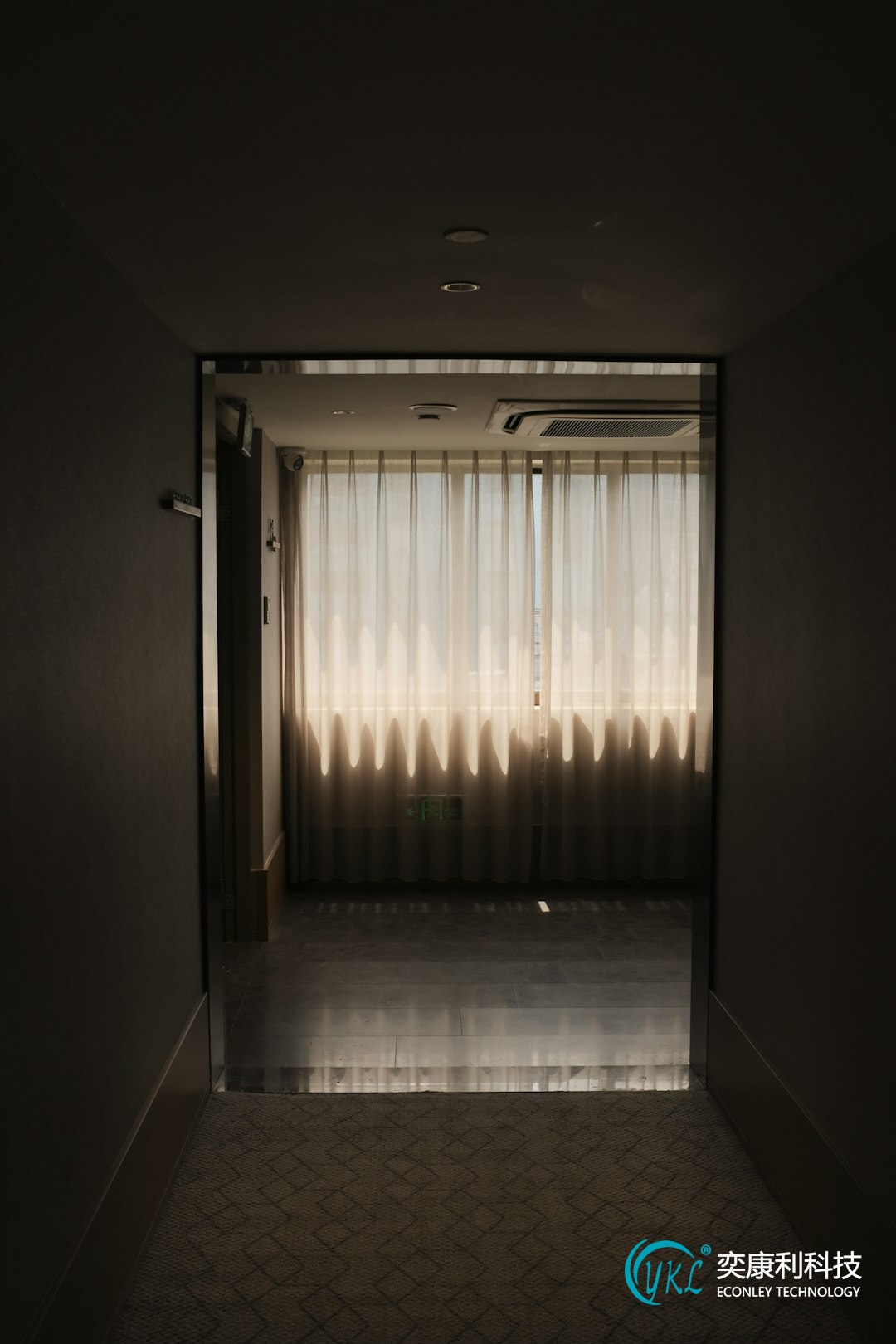
The thoughtful design of partition curtains in Japanese hospitals goes beyond aesthetics. It significantly impacts the overall patient experience, contributing to a sense of well-being and aiding in the healing process.
Patients in hospitals with well-designed partition curtains often report higher levels of satisfaction. The sense of privacy and comfort these curtains provide can make a significant difference in a patient's perception of their care.
For medical staff, partition curtains offer a practical solution to managing space and patient interactions. They enable staff to conduct examinations and consultations discreetly, improving workflow and efficiency.
Japanese hospital partition curtains are a testament to the country's dedication to combining functionality with beauty. Through thoughtful design, these curtains enhance the hospital environment, providing privacy, comfort, and a touch of elegance. As we have seen in the real case images, the impact of these curtains extends beyond aesthetics, playing a crucial role in patient care and staff efficiency.
Incorporating such design elements into healthcare facilities worldwide could transform the patient experience, making hospitals not just places of healing, but also havens of tranquility and comfort. As the healthcare industry continues to evolve, the lessons learned from Japanese hospital design can serve as a valuable guide for creating environments that truly cater to the needs of patients and staff alike.
 Tel :13510328459
 Email :493432861@qq.com
 Phone :0755-82154850/25907050
 Add:205-206, 2nd Floor, Building 2, Xiazao Village Industrial Zone, Gaofeng Community, Dalang Street, Longhua District, Shenzhen City

About

Products
Cases
News
Contact
 493432861@qq.com