Service Hotline:13510328459
 205-206, 2nd Floor, Building 2, Xiazao Village Industrial Zone, Gaofeng Community, Dalang Street, Longhua District, Shenzhen City
Service Hotline:13510328459
205-206, 2nd Floor, Building 2, Xiazao Village Industrial Zone, Gaofeng Community, Dalang Street, Longhua District, Shenzhen City



Time:2025-10-29 Preview:
In the world of healthcare, privacy is a fundamental right for patients. Hospital bed curtains play a crucial role in maintaining this privacy, creating personal spaces for patients even in shared hospital rooms. This article explores case studies of overseas hospital bed privacy curtain installations, highlighting their importance and effectiveness in enhancing patient care.
Hospital bed curtains are not just about providing privacy; they also contribute to infection control, reducing noise, and creating a more pleasant environment for both patients and healthcare professionals. These curtains help healthcare facilities maintain a high standard of care by ensuring that patient dignity is respected.
Patient privacy is paramount in healthcare settings. Curtains offer a simple yet effective solution to create private spaces around each bed, allowing patients to feel secure during examinations or personal moments. This privacy is essential for patient comfort and can significantly impact their recovery experience.
Infection control is another critical aspect of hospital bed curtains. By creating physical barriers between beds, these curtains help prevent the spread of infectious diseases. They are often made from antimicrobial materials, which further enhances their ability to control infections.
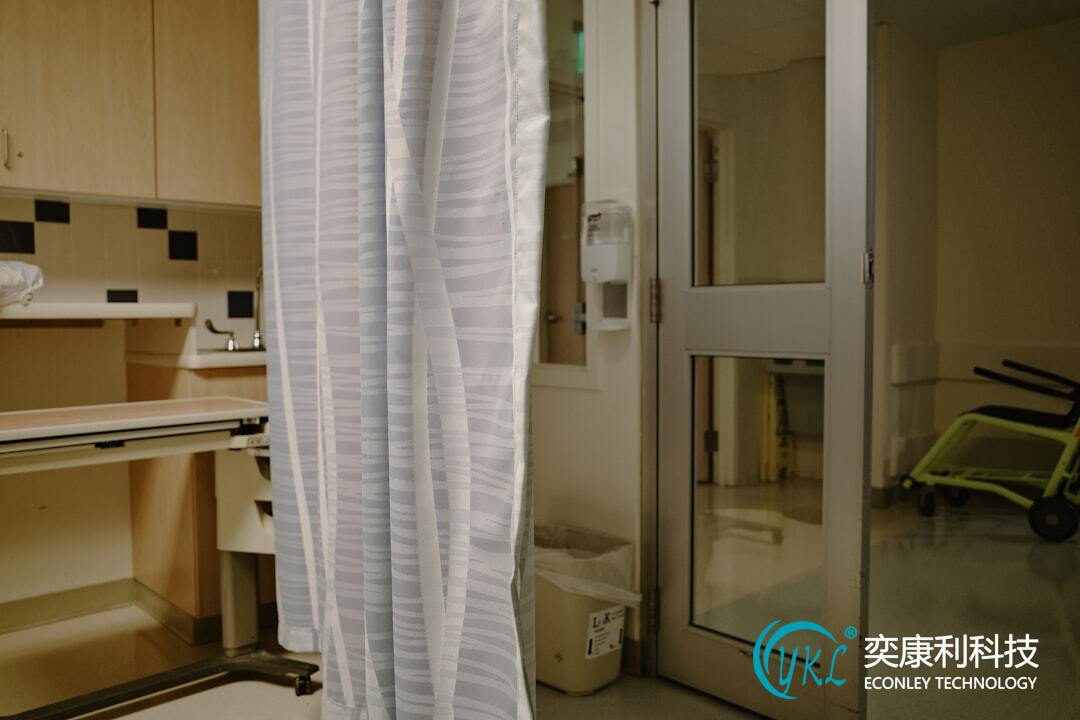
A hospital in Southeast Asia faced challenges in providing sufficient privacy for patients in their overcrowded wards. The installation of privacy curtains transformed the environment, offering patients the privacy they desperately needed.
The installation process was straightforward. The hospital chose curtains made from antimicrobial fabrics to ensure both privacy and infection control. The curtains were installed on ceiling-mounted tracks, allowing for easy movement and maximum coverage.
The impact on patient care was immediate and significant. Patients reported feeling more comfortable and secure, leading to improved satisfaction scores. The staff also noticed a reduction in noise levels, creating a calmer environment conducive to healing.
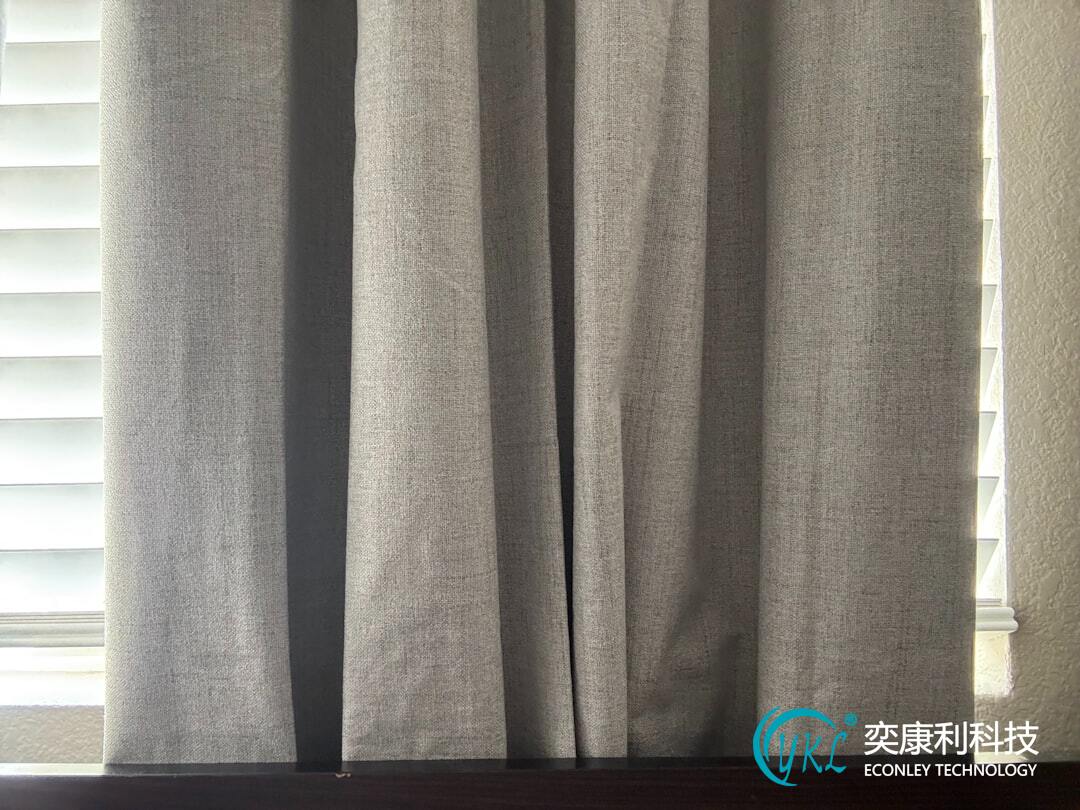
In Europe, a hospital took an innovative approach to privacy curtain installation by integrating technology into their design. This hospital aimed to enhance patient experience through modern solutions.
The hospital installed smart curtains equipped with sensors that could detect when a patient needed privacy. These curtains automatically closed when a healthcare professional entered the patient’s space, ensuring privacy without manual intervention.
The smart curtains improved the efficiency of the hospital's operations. Healthcare professionals could focus more on patient care rather than adjusting curtains. Patients appreciated the added privacy, and the hospital saw an increase in positive feedback regarding patient experience.
Installing hospital bed privacy curtains overseas presents unique challenges and considerations. Factors such as local regulations, cultural norms, and available materials all play a role in the installation process.
When installing curtains in overseas hospitals, it's essential to consider cultural norms regarding privacy and modesty. What is acceptable in one culture may not be in another, so understanding these differences is crucial for a successful installation.
The choice of material for privacy curtains is vital, especially in different climates. For instance, in humid regions, choosing breathable, antimicrobial fabrics can prevent mold and mildew growth. In colder climates, heavier materials might be preferred for added warmth and privacy.
Hospital bed privacy curtains are an essential component of patient care, providing privacy, enhancing infection control, and improving overall patient satisfaction. As demonstrated by these case studies, innovative solutions and cultural considerations can significantly impact the effectiveness of these installations.
As healthcare continues to evolve, so too will the design and functionality of privacy curtains. Future trends may include further integration of technology, such as smart curtains and antimicrobial fabrics, to enhance patient care and operational efficiency. By prioritizing patient privacy and comfort, hospitals worldwide can improve their service and ensure a better healing environment for all patients.
 Tel :13510328459
 Email :493432861@qq.com
 Phone :0755-82154850/25907050
 Add:205-206, 2nd Floor, Building 2, Xiazao Village Industrial Zone, Gaofeng Community, Dalang Street, Longhua District, Shenzhen City

About

Products
Cases
News
Contact
 493432861@qq.com