Service Hotline:13510328459
 205-206, 2nd Floor, Building 2, Xiazao Village Industrial Zone, Gaofeng Community, Dalang Street, Longhua District, Shenzhen City
Service Hotline:13510328459
205-206, 2nd Floor, Building 2, Xiazao Village Industrial Zone, Gaofeng Community, Dalang Street, Longhua District, Shenzhen City



Time:2025-10-28 Preview:
Hospital interior design plays a crucial role in creating a healing environment for patients and a functional space for healthcare providers. Among various design elements, curtain design holds significant importance due to its impact on both aesthetics and functionality. This article explores international hospital curtain design case collections, showcasing innovative designs that blend functionality with style.
Curtains in hospitals are more than just decorative elements; they serve multiple purposes. They ensure privacy, control light, reduce noise, and even contribute to infection control. The right curtain design can enhance the patient's experience, improve staff efficiency, and contribute to the overall atmosphere of the hospital.
Hospital curtains are essential for providing privacy to patients in shared spaces. They act as temporary walls, allowing patients to have personal space while still receiving care. Additionally, curtains help control light, which can significantly impact a patient's comfort and recovery.
Noise in hospitals can be a source of stress for patients and disrupt their rest. Well-designed curtains can help absorb sound and reduce noise levels, contributing to a more peaceful environment.
Curtains can also play a role in infection control. Using antimicrobial fabrics and designs that are easy to clean can help minimize the spread of infections within the hospital setting.
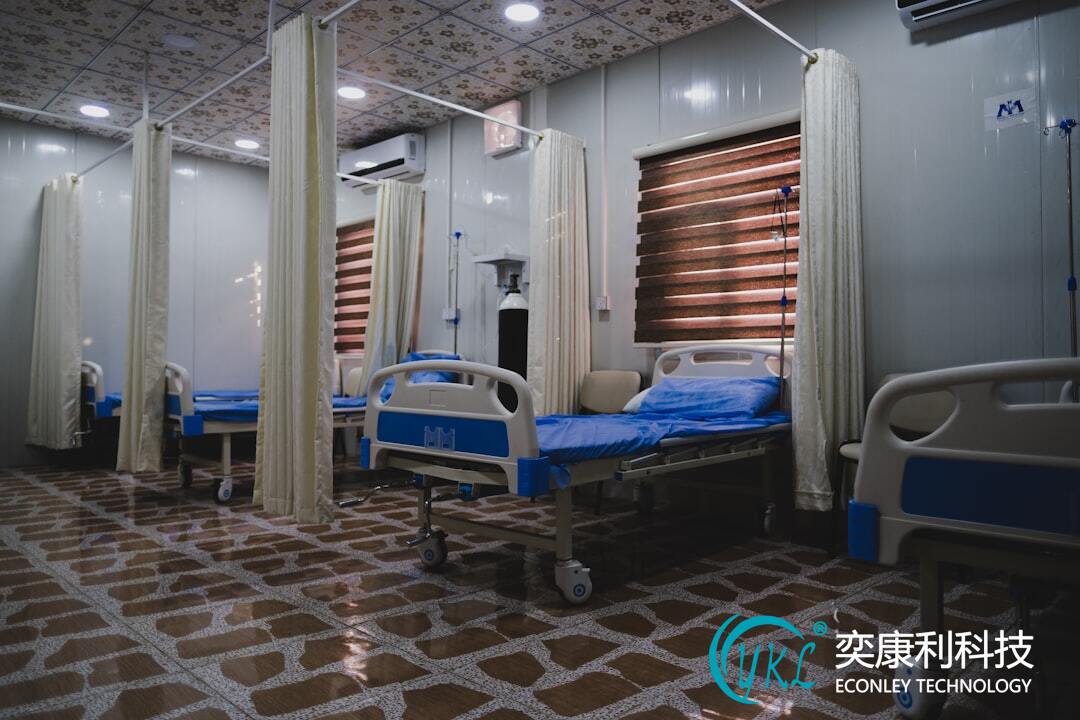
Designing hospital curtains requires a balance between functionality and aesthetics. Let's explore some notable international case collections that have successfully achieved this balance.
Scandinavian design is known for its simplicity and functionality. In hospitals, this translates to curtains with clean lines, neutral colors, and high-quality materials. These designs prioritize function while maintaining a calm and soothing aesthetic, ideal for hospital environments.
St. Olav's Hospital in Trondheim, Norway, exemplifies Scandinavian design in its curtain choices. The hospital uses light-colored, durable fabrics that allow natural light to filter through while maintaining patient privacy. The simplicity of the design contributes to a tranquil and healing atmosphere.
Japanese design emphasizes minimalism and harmony with nature. In hospital curtain design, this approach is evident in the use of natural materials and subdued color palettes.
Case Study: Tokyo Medical University Hospital, Japan
Tokyo Medical University Hospital incorporates Japanese minimalism in its curtain designs. The hospital uses curtains made from organic materials, with soft, earthy tones that blend seamlessly into the natural surroundings. This design fosters a serene environment conducive to healing.
European hospitals often push the boundaries of design, incorporating bold colors and patterns to create dynamic and engaging spaces.
Case Study: Hôpital Necker-Enfants Malades, France
At Hôpital Necker-Enfants Malades in Paris, France, curtain design is both functional and visually stimulating. The hospital uses vibrant colors and playful patterns in pediatric wards to create an uplifting environment for young patients. These designs demonstrate how curtains can be used as a tool for positive distraction and engagement.
Successful hospital curtain design involves several key elements that ensure both functionality and aesthetic appeal.
The choice of material is critical in hospital curtain design. Fabrics should be durable, easy to clean, and resistant to bacteria and stains. Popular choices include polyester blends and antimicrobial fabrics.
Colors and patterns play a significant role in the psychological impact of hospital interiors. Soft, soothing colors are often preferred in patient areas, while brighter colors may be used in areas like children's wards to provide stimulation and comfort.
Hospitals have diverse needs, and curtain designs should be customizable to meet specific requirements. Flexibility in design allows hospitals to adapt curtains to different settings and purposes, whether for privacy, light control, or decoration.

The design of hospital curtains is continually evolving, with new trends emerging to meet the changing needs of healthcare environments.
Sustainability is becoming increasingly important in hospital design. Eco-friendly materials and energy-efficient production processes are being prioritized in curtain manufacturing to reduce environmental impact.
Advancements in technology are also influencing curtain design. Smart curtains that can be controlled remotely to adjust light and privacy levels are becoming more popular in modern hospitals.
International hospital curtain design case collections showcase the diverse ways in which curtains can enhance hospital interiors. By prioritizing functionality, aesthetics, and patient comfort, these designs contribute to creating healing environments that support both patients and healthcare providers.
As hospital design continues to evolve, innovative curtain designs will play a crucial role in shaping the future of healthcare environments. Whether through sustainable practices, technological integration, or creative aesthetics, curtains will remain a vital component of hospital interior design.
 Tel :13510328459
 Email :493432861@qq.com
 Phone :0755-82154850/25907050
 Add:205-206, 2nd Floor, Building 2, Xiazao Village Industrial Zone, Gaofeng Community, Dalang Street, Longhua District, Shenzhen City

About

Products
Cases
News
Contact
 493432861@qq.com