Service Hotline:13510328459
 205-206, 2nd Floor, Building 2, Xiazao Village Industrial Zone, Gaofeng Community, Dalang Street, Longhua District, Shenzhen City
Service Hotline:13510328459
205-206, 2nd Floor, Building 2, Xiazao Village Industrial Zone, Gaofeng Community, Dalang Street, Longhua District, Shenzhen City



Time:2025-10-27 Preview:
Ensuring privacy in a hospital setting is not just about maintaining dignity; it's about creating a comfortable, safe environment for patients. One of the crucial elements in achieving this is the use of hospital bathroom privacy curtains. These curtains play a significant role in protecting patient privacy, offering a sense of security, and enhancing the overall patient experience. In this article, we will explore the importance of hospital bathroom privacy curtains, their benefits, and how they contribute to a better healthcare environment.
In hospitals, maintaining patient privacy is a top priority. Privacy curtains are essential for protecting the modesty of patients, especially in shared rooms or during medical procedures. They create a private space where patients can feel secure and respected, which is vital for their emotional well-being.
Hospital stays can be stressful for patients. Privacy curtains help reduce this stress by providing a personal space where patients can relax without feeling exposed. This sense of privacy can significantly enhance a patient's comfort and overall experience during their hospital stay.
Hospital privacy curtains also contribute to infection control. Made from antimicrobial materials, these curtains help prevent the spread of bacteria and viruses, ensuring a cleaner and safer environment for both patients and healthcare providers.

Standard privacy curtains are the most common type used in hospitals. They are typically made from durable fabric and are easy to clean. These curtains are available in various colors and patterns, allowing hospitals to choose designs that match their decor and create a welcoming atmosphere.
As mentioned earlier, infection control is a critical aspect of hospital care. Antimicrobial privacy curtains are treated with agents that inhibit the growth of bacteria and other pathogens. This feature helps reduce the risk of infections, making them an excellent choice for healthcare settings.
Disposable privacy curtains are designed for single-use, making them ideal for areas with high infection risk. They are easy to install and remove, ensuring that healthcare providers can quickly replace them between patients, maintaining a hygienic environment.
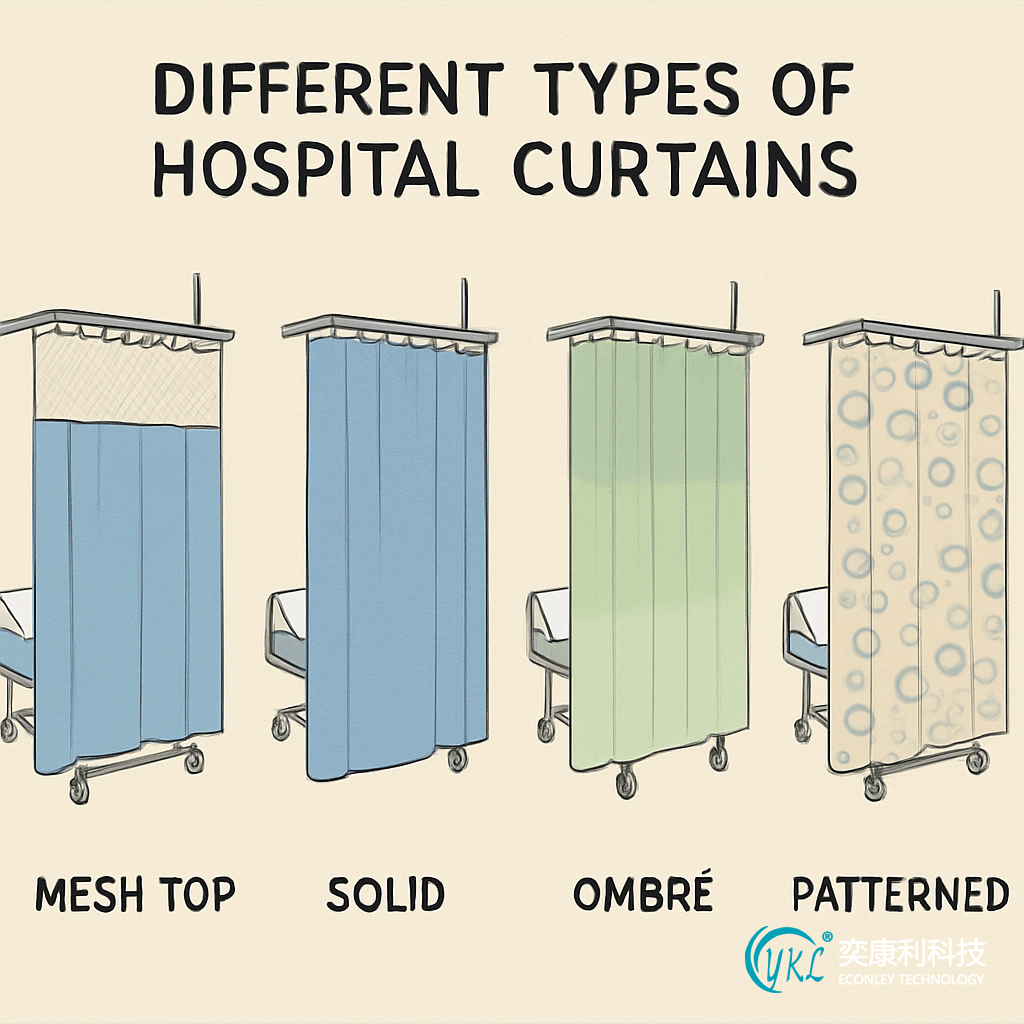
When selecting privacy curtains for hospitals, it's essential to consider the material and durability. Curtains should be made from high-quality, long-lasting materials that can withstand frequent washing and use. Look for fabrics that are flame-retardant and meet healthcare industry standards.
Hospital bathroom privacy curtains must be easy to clean and maintain. Choose curtains that can be machine washed or disinfected easily, ensuring that they remain hygienic and free from contaminants.
The installation process for privacy curtains should be straightforward and efficient. Opt for curtains with user-friendly track systems that allow for quick installation and removal. Additionally, ensure that curtains are easily accessible and can be opened and closed with minimal effort.
Hospital bathroom privacy curtains significantly improve the patient experience by offering a sense of security and comfort. When patients feel their privacy is respected, they are more likely to have a positive hospital experience and engage better with their healthcare providers.
Privacy curtains contribute to a safer and more hygienic hospital environment. By using antimicrobial or disposable curtains, hospitals can minimize the risk of infections and create a cleaner space for patients and staff alike.
Investing in high-quality privacy curtains can be cost-effective in the long run. Durable curtains that withstand frequent use and washing reduce the need for constant replacements, saving hospitals money and resources over time.
To maintain a hygienic environment, it's crucial to clean and disinfect privacy curtains regularly. Establish a cleaning schedule that aligns with hospital protocols, ensuring that curtains are sanitized between patient use.
Conduct routine inspections of privacy curtains to identify any signs of wear and tear. Replace curtains that are damaged or no longer meet safety standards to ensure continued patient privacy and safety.
Ensure that hospital staff are trained on the proper use and maintenance of privacy curtains. Educated staff members can effectively manage curtain installation, removal, and cleaning, contributing to a well-maintained healthcare environment.
Hospital bathroom privacy curtains are more than just a decorative element; they are a vital component of patient care. By providing privacy, enhancing comfort, and supporting infection control, these curtains play a crucial role in creating a safe and welcoming environment for patients. When selecting privacy curtains, consider factors such as material, ease of cleaning, and installation to ensure they meet the needs of your healthcare facility. With the right privacy curtains in place, hospitals can improve patient satisfaction, safety, and overall care quality.
 Tel :13510328459
 Email :493432861@qq.com
 Phone :0755-82154850/25907050
 Add:205-206, 2nd Floor, Building 2, Xiazao Village Industrial Zone, Gaofeng Community, Dalang Street, Longhua District, Shenzhen City

About

Products
Cases
News
Contact
 493432861@qq.com