Service Hotline:13510328459
 205-206, 2nd Floor, Building 2, Xiazao Village Industrial Zone, Gaofeng Community, Dalang Street, Longhua District, Shenzhen City
Service Hotline:13510328459
205-206, 2nd Floor, Building 2, Xiazao Village Industrial Zone, Gaofeng Community, Dalang Street, Longhua District, Shenzhen City



Time:2025-10-27 Preview:
Privacy in a laboratory setting is crucial not just for maintaining confidentiality but also for ensuring a focused and safe environment. Laboratory privacy curtains play a vital role in achieving this balance. In this article, we will explore the different types of laboratory privacy curtains, their importance, and how to choose the right one for your needs.
Laboratories are places where sensitive research and experiments are conducted. The need for privacy in these settings is multifaceted. On one hand, privacy curtains protect sensitive work from prying eyes, maintaining confidentiality and intellectual property. On the other hand, they also help in minimizing distractions, allowing researchers to focus on their work without interruptions.
Privacy curtains also contribute to safety and compliance with regulations. Certain experiments require isolation from other activities within the lab, not just for confidentiality but also for safety reasons. Curtains can act as barriers, reducing the risk of contamination and ensuring that experiments are conducted in a controlled environment.
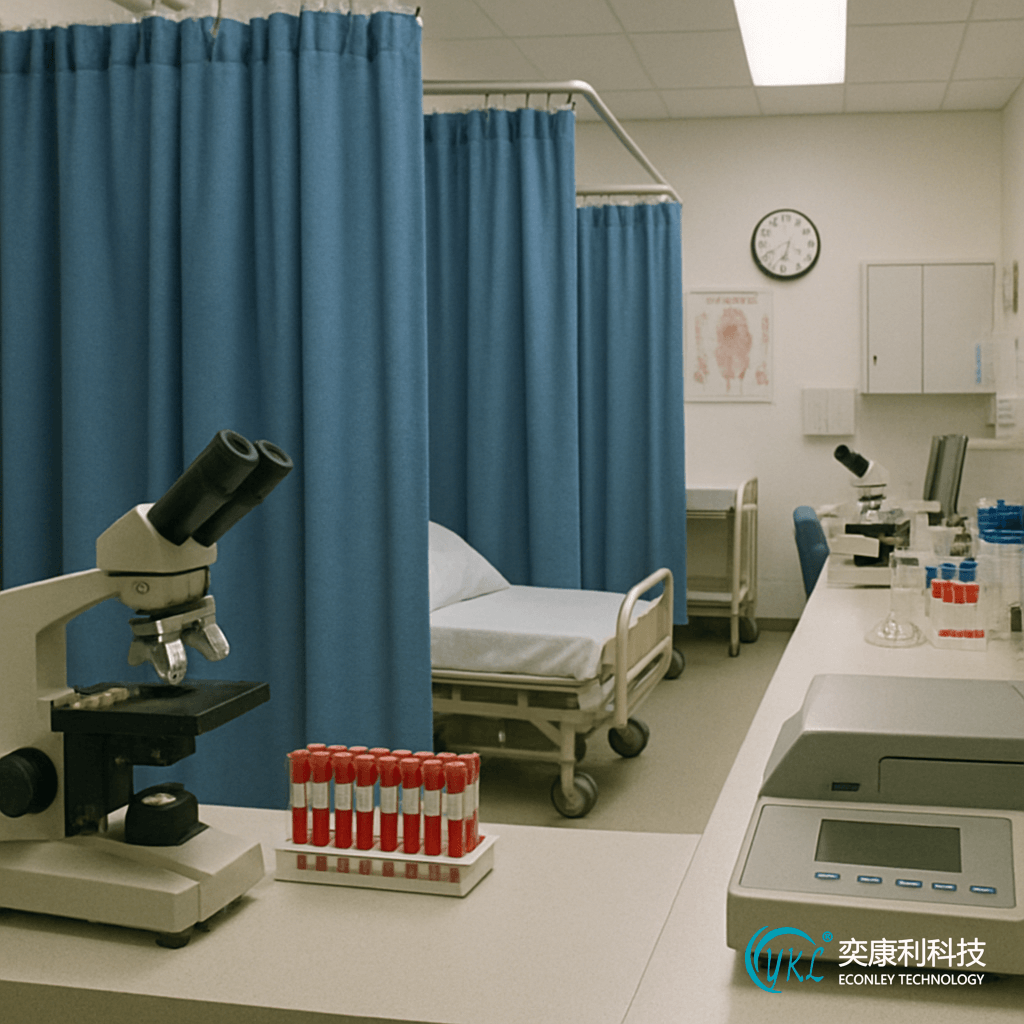
When it comes to laboratory privacy curtains, there are several options available, each suited to different needs and environments.
Vinyl curtains are a popular choice due to their durability and easy maintenance. They are resistant to chemicals and can be easily wiped down, making them suitable for environments where cleanliness is a priority. Vinyl curtains also offer a degree of soundproofing, which can be beneficial in a busy lab setting.
Fabric curtains provide a softer aesthetic compared to vinyl. They are available in a variety of colors and patterns, allowing for a more personalized touch to the lab environment. Although not as resistant to chemicals, fabric curtains can be treated to offer some degree of protection against spills and splashes.
Mesh curtains are ideal in situations where visibility is required without compromising on privacy. These curtains allow light and air to pass through, maintaining a sense of openness while still providing a barrier. They are particularly useful in labs where ventilation is a concern.
In environments where hygiene is paramount, anti-microbial curtains are an excellent choice. These curtains are treated with substances that inhibit the growth of bacteria and other microbes, ensuring a cleaner environment. They are commonly used in medical labs and research facilities dealing with biohazards.
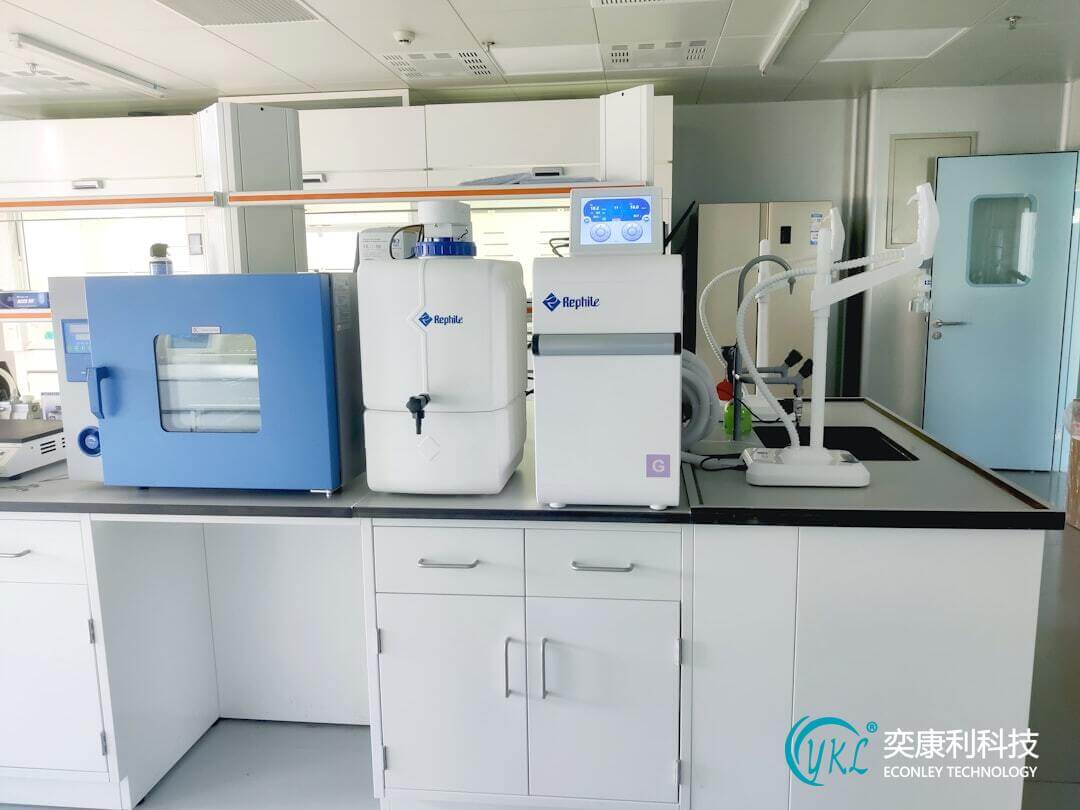
Selecting the right privacy curtains for a laboratory depends on several factors, including the nature of the work being conducted, the layout of the lab, and budget considerations.
The first step in choosing the right curtains is understanding the specific needs of your laboratory. Consider what you need the curtains to achieve: Is it primarily for privacy, or do you need them to provide soundproofing or chemical resistance?
The environment of the laboratory plays a significant role in curtain selection. For instance, a lab dealing with hazardous chemicals might prioritize vinyl or anti-microbial curtains, whereas a lab focusing on IT or electronics might opt for fabric curtains that provide a softer look and feel.
Budget is always a factor in decision-making. While it might be tempting to choose the least expensive option, it is essential to weigh the cost against the benefits and longevity of the curtains. Investing in high-quality curtains that meet all your requirements may prove more cost-effective in the long run.
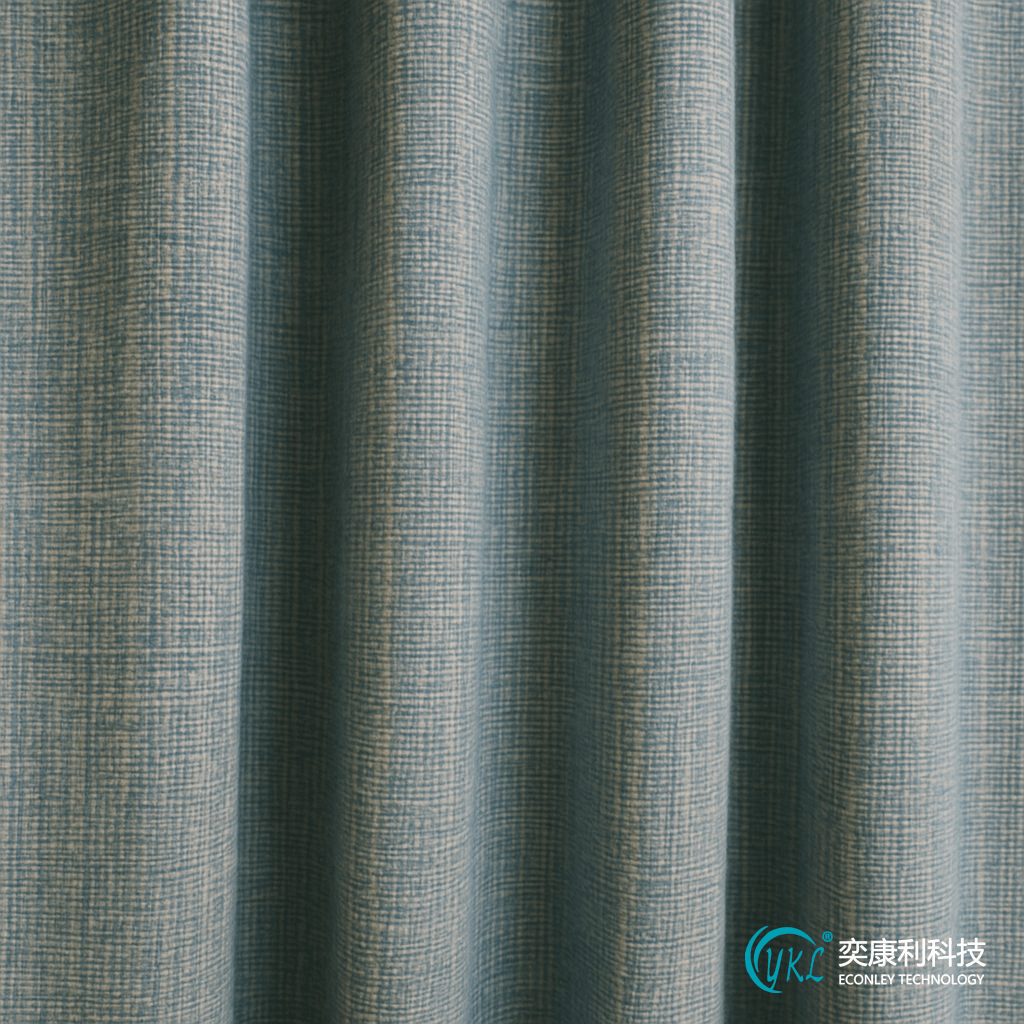
Proper installation and maintenance of privacy curtains ensure their longevity and effectiveness.
When installing laboratory privacy curtains, it's crucial to consider the layout of the space and the positioning of the curtains. Ensure that the curtains are hung at the appropriate height and that they can be easily moved or adjusted as needed. It is also essential to ensure that the track or rod used for hanging the curtains is sturdy and can support the weight of the curtains.
Regular maintenance of privacy curtains is essential to keep them in good condition. For vinyl and anti-microbial curtains, regular wiping with a disinfectant is recommended. Fabric curtains may require periodic laundering, and mesh curtains should be vacuumed or dusted to prevent the accumulation of dust and particles.
Laboratory privacy curtains are more than just a decorative element; they are a vital component of a safe, efficient, and confidential laboratory environment. By understanding the different types of curtains available and assessing your specific needs, you can make an informed decision that enhances the functionality and aesthetics of your lab. Remember, the right privacy curtains not only protect your work and enhance safety but also contribute to a productive and harmonious lab atmosphere.
 Tel :13510328459
 Email :493432861@qq.com
 Phone :0755-82154850/25907050
 Add:205-206, 2nd Floor, Building 2, Xiazao Village Industrial Zone, Gaofeng Community, Dalang Street, Longhua District, Shenzhen City

About

Products
Cases
News
Contact
 493432861@qq.com