Service Hotline:13510328459
 205-206, 2nd Floor, Building 2, Xiazao Village Industrial Zone, Gaofeng Community, Dalang Street, Longhua District, Shenzhen City
Service Hotline:13510328459
205-206, 2nd Floor, Building 2, Xiazao Village Industrial Zone, Gaofeng Community, Dalang Street, Longhua District, Shenzhen City



Time:2025-10-24 Preview:
In healthcare facilities, ensuring the privacy and safety of patients is paramount. One simple yet effective way to achieve this is through the installation of bathroom window screens. These screens not only protect patient privacy but also contribute to the overall safety and hygiene of the hospital environment. In this article, we will delve into the importance of hospital bathroom window screens, the installation process, and the benefits they provide.
Privacy is a fundamental right for all patients. Hospital bathroom window screens play a crucial role in safeguarding this right. They prevent outsiders from peering into bathroom areas, ensuring that patients can maintain their dignity during vulnerable moments. This is especially important in hospitals where patients may need assistance with personal hygiene, making privacy even more critical.
Safety is another essential consideration in hospitals. Unsecured windows can pose a risk of unauthorized entry or accidental falls. By installing window screens, hospitals can effectively mitigate these risks. Screens act as a barrier, deterring potential intruders and providing an added layer of security for patients.
Hospital bathroom window screens can also contribute to the hygiene of the facility. Screens help keep out insects and debris, which can be sources of contamination. This is particularly important in healthcare settings where maintaining a sterile environment is crucial to preventing infections and promoting patient recovery.
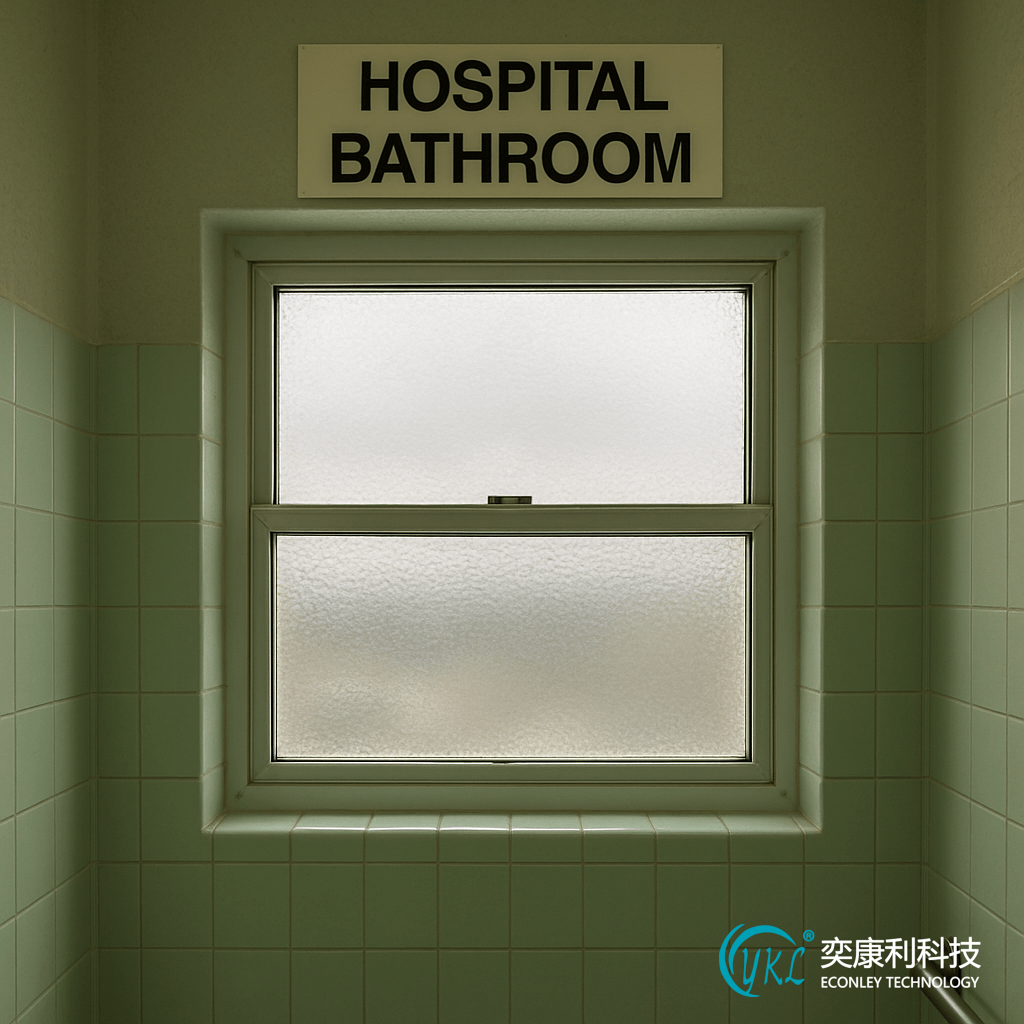
Installing window screens in hospital bathrooms requires careful planning and execution. Here’s a step-by-step guide to ensure a successful installation:
Begin by assessing the window area where the screen will be installed. Measure the dimensions of the window to ensure the screen will fit properly. Consider any unique features of the window, such as unusual shapes or existing fixtures, that may impact the installation.
Selecting the appropriate screen material is crucial for both functionality and durability. Common materials for hospital window screens include fiberglass, aluminum, and stainless steel. Each material offers distinct advantages, such as resistance to rust, ease of maintenance, and longevity. Choose a material that aligns with the specific needs of the hospital environment.
Before installing the screen, ensure that the window frame is clean and in good condition. Remove any dirt, dust, or old adhesive that may interfere with the installation process. If necessary, repair or replace any damaged parts of the window frame to guarantee a secure fit.
Carefully attach the screen to the window frame, ensuring it is taut and free from wrinkles. Use appropriate fasteners to secure the screen in place, such as screws or clips. For added stability, consider using a frame that can accommodate the screen material securely.
After installation, test the screen to ensure it functions correctly. Open and close the window to verify that the screen does not obstruct movement. Check for any gaps or loose areas that may compromise the screen’s effectiveness. Make any necessary adjustments to ensure a snug fit.
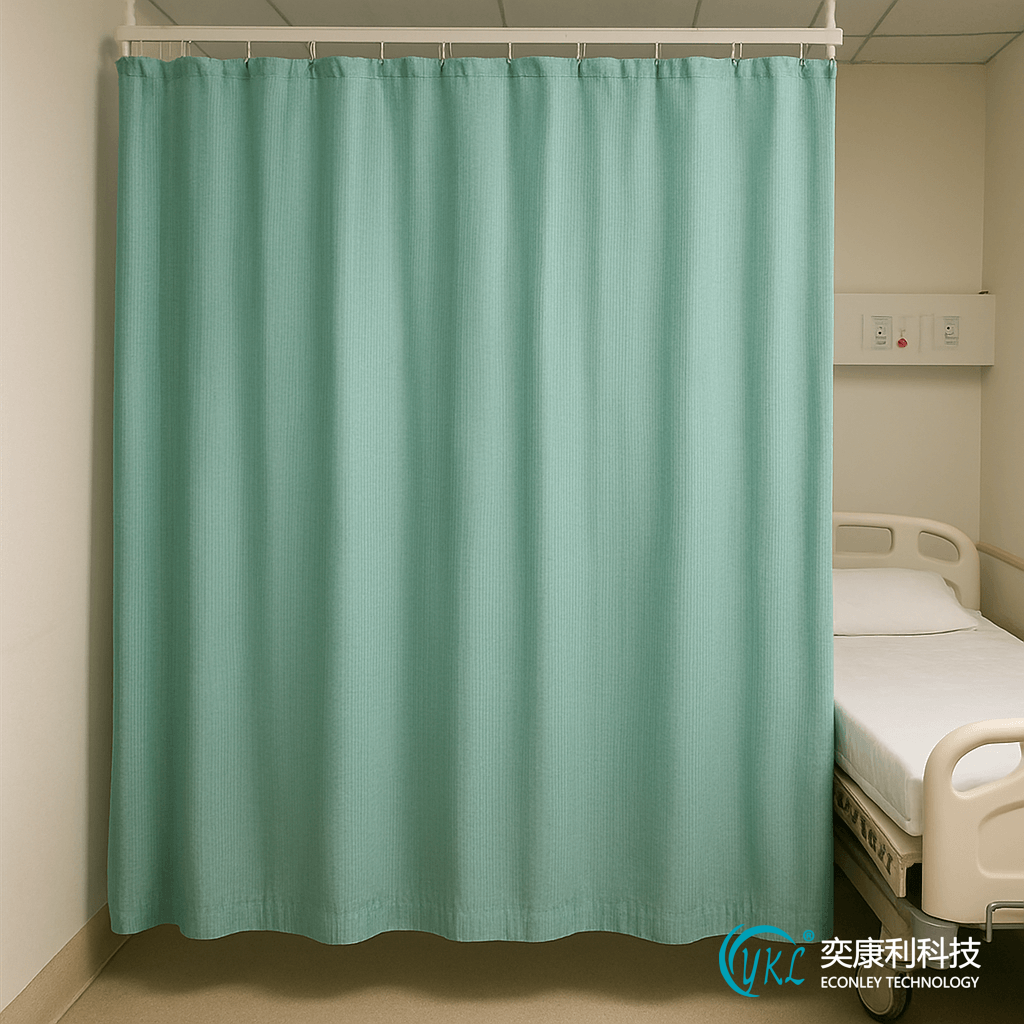
The installation of bathroom window screens can significantly enhance the patient experience. With privacy and safety assured, patients can feel more comfortable and at ease during their hospital stay. This can contribute to faster recovery times and higher patient satisfaction.
Window screens are a cost-effective solution for hospitals looking to improve privacy and security. Compared to other security measures, such as installing frosted glass or electronic surveillance, window screens offer an affordable and efficient alternative.
Hospital bathroom window screens require minimal maintenance, making them a practical choice for busy healthcare facilities. Regular cleaning with mild soap and water is typically sufficient to keep screens in good condition. Additionally, durable materials like aluminum and stainless steel are resistant to wear and tear, ensuring long-lasting performance.
Many healthcare facilities are subject to regulations regarding patient privacy and safety. Installing window screens can help hospitals comply with these regulations, avoiding potential legal issues and ensuring that the facility meets industry standards.
Hospital bathroom window screens are an essential component of any healthcare facility. They provide a simple yet effective solution for enhancing patient privacy, safety, and hygiene. By carefully selecting the right materials and following a systematic installation process, hospitals can ensure that their bathroom window screens offer reliable protection and contribute to a positive patient experience.
For hospitals looking to improve their facilities, investing in high-quality window screens is a practical and beneficial choice. Not only do they protect patients, but they also provide peace of mind for healthcare providers, knowing that they are doing everything possible to create a safe and comfortable environment for those in their care.
 Tel :13510328459
 Email :493432861@qq.com
 Phone :0755-82154850/25907050
 Add:205-206, 2nd Floor, Building 2, Xiazao Village Industrial Zone, Gaofeng Community, Dalang Street, Longhua District, Shenzhen City

About

Products
Cases
News
Contact
 493432861@qq.com