Service Hotline:13510328459
 205-206, 2nd Floor, Building 2, Xiazao Village Industrial Zone, Gaofeng Community, Dalang Street, Longhua District, Shenzhen City
Service Hotline:13510328459
205-206, 2nd Floor, Building 2, Xiazao Village Industrial Zone, Gaofeng Community, Dalang Street, Longhua District, Shenzhen City



Time:2025-10-24 Preview:
When it comes to laboratories, maintaining a controlled environment is critical. One often overlooked aspect of this is the installation of window screens. Laboratory window screens are essential for keeping contaminants out while allowing natural light in. They also play a crucial role in ensuring the safety and efficiency of laboratory operations. In this article, we will explore the importance of laboratory window screen installations and provide insights into real-site installation effect photos.
Laboratories require clean environments to ensure accurate results and safe working conditions. Window screens act as a barrier to prevent dust, pollen, and other airborne contaminants from entering the lab. This helps maintain the integrity of experiments and protects sensitive equipment from damage.
Window screens contribute to laboratory safety by preventing the entry of insects and small animals that could disrupt experiments or pose health hazards. They also promote efficiency by allowing natural light to illuminate the workspace, reducing the need for artificial lighting and creating a more pleasant working environment.
Many laboratories are subject to strict regulations regarding environmental control. Properly installed window screens help laboratories comply with these regulations by providing an additional layer of protection against external contaminants.

Fixed screens are permanently installed and provide a continuous barrier against contaminants. They are ideal for laboratories that require constant protection and do not need to open windows frequently.
Retractable screens offer flexibility by allowing windows to be opened for ventilation when needed. They can be rolled up or down, providing a balance between protection and airflow.
Magnetic screens are easy to install and remove, making them a convenient option for laboratories that require occasional ventilation. They provide a secure fit and are effective at keeping contaminants out.

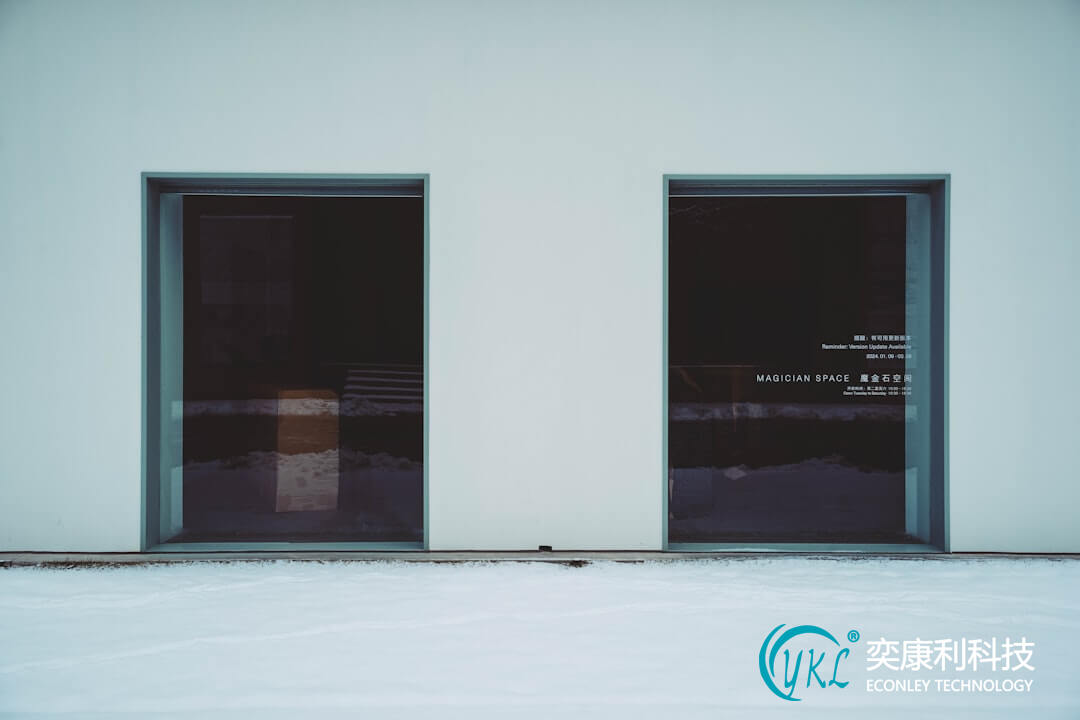
Photos of real-site installations can provide valuable insights into the effectiveness and aesthetics of laboratory window screens. They showcase how screens integrate into the laboratory environment and highlight their role in maintaining a clean and safe workspace.
Before-and-after photos demonstrate the transformation that window screens can bring to a laboratory. They highlight the improved lighting, cleanliness, and overall environment that screens provide.
Close-up shots of window screens show the quality of materials and craftsmanship involved in their installation. These photos emphasize the durability and effectiveness of the screens in preventing contaminants from entering the lab.
Full view images capture the overall impact of window screens on the laboratory environment. They illustrate how screens contribute to a brighter, cleaner, and safer workspace.
When selecting window screens for your laboratory, consider the specific needs of your facility. Determine whether you require fixed, retractable, or magnetic screens based on your ventilation requirements and environmental control needs.
Choose screens made from high-quality materials that can withstand the demands of a laboratory environment. Look for screens that are resistant to corrosion and easy to clean.
For optimal performance, it is essential to have window screens professionally installed. Professional installers ensure a perfect fit and secure attachment, maximizing the effectiveness of the screens.
Accurate measurements are crucial for ensuring a proper fit. Measure the dimensions of your windows carefully before purchasing screens to avoid any gaps or misalignments.
Before installation, clean the window frame and surrounding area to remove any dust or debris. This ensures a clean surface for the screens to adhere to and enhances their effectiveness.
Always follow the manufacturer's instructions for installation and maintenance. This ensures that the screens are installed correctly and function as intended.
To maintain the effectiveness of window screens, clean them regularly using mild soap and water. Avoid using harsh chemicals that could damage the screen material.
Periodically inspect window screens for signs of wear or damage. Repair or replace screens as needed to ensure continued protection against contaminants.
Consider scheduling professional maintenance to ensure that window screens remain in optimal condition. Professional maintenance can identify potential issues and extend the lifespan of the screens.
Laboratory window screen installations play a vital role in maintaining a safe and contaminant-free environment. By understanding the different types of screens, examining real-site installation photos, and following proper installation and maintenance practices, you can enhance the safety and efficiency of your laboratory operations. Investing in high-quality window screens and professional installation ensures that your laboratory remains a clean and productive space.
 Tel :13510328459
 Email :493432861@qq.com
 Phone :0755-82154850/25907050
 Add:205-206, 2nd Floor, Building 2, Xiazao Village Industrial Zone, Gaofeng Community, Dalang Street, Longhua District, Shenzhen City

About

Products
Cases
News
Contact
 493432861@qq.com