Service Hotline:13510328459
 205-206, 2nd Floor, Building 2, Xiazao Village Industrial Zone, Gaofeng Community, Dalang Street, Longhua District, Shenzhen City
Service Hotline:13510328459
205-206, 2nd Floor, Building 2, Xiazao Village Industrial Zone, Gaofeng Community, Dalang Street, Longhua District, Shenzhen City



Time:2025-10-23 Preview:
In any laboratory setting, privacy and safety are of utmost importance. One simple yet effective way to achieve both is through the use of laboratory curtains. These versatile tools not only help in maintaining privacy but also contribute to creating a safer and more organized work environment. This article will explore the different types of laboratory curtains available, their benefits, and how to choose the right one for your laboratory needs.
Laboratory curtains serve multiple purposes beyond merely separating spaces. They play a crucial role in ensuring that a laboratory runs smoothly and efficiently. Here’s how:
Privacy is essential in laboratories where sensitive work is being conducted. Curtains allow for discrete areas where projects can be handled without interruptions or unwanted attention. Whether it's a medical lab or a research facility, maintaining confidentiality is key, and laboratory curtains are a cost-effective solution.
Safety is paramount in a laboratory setting. Curtains can help contain hazardous materials or prevent cross-contamination. For example, biohazard curtains are specifically designed to provide a barrier against contaminants, ensuring that the workspace remains safe for all personnel.
In certain labs, maintaining a consistent temperature is vital for the accuracy of experiments and the integrity of samples. Laboratory curtains can help control the temperature by reducing the exchange of air between different areas, making it easier to manage the climate in specific zones.

There is a variety of laboratory curtains available, each designed to meet specific needs. Understanding the differences will help you choose the right curtain for your laboratory.
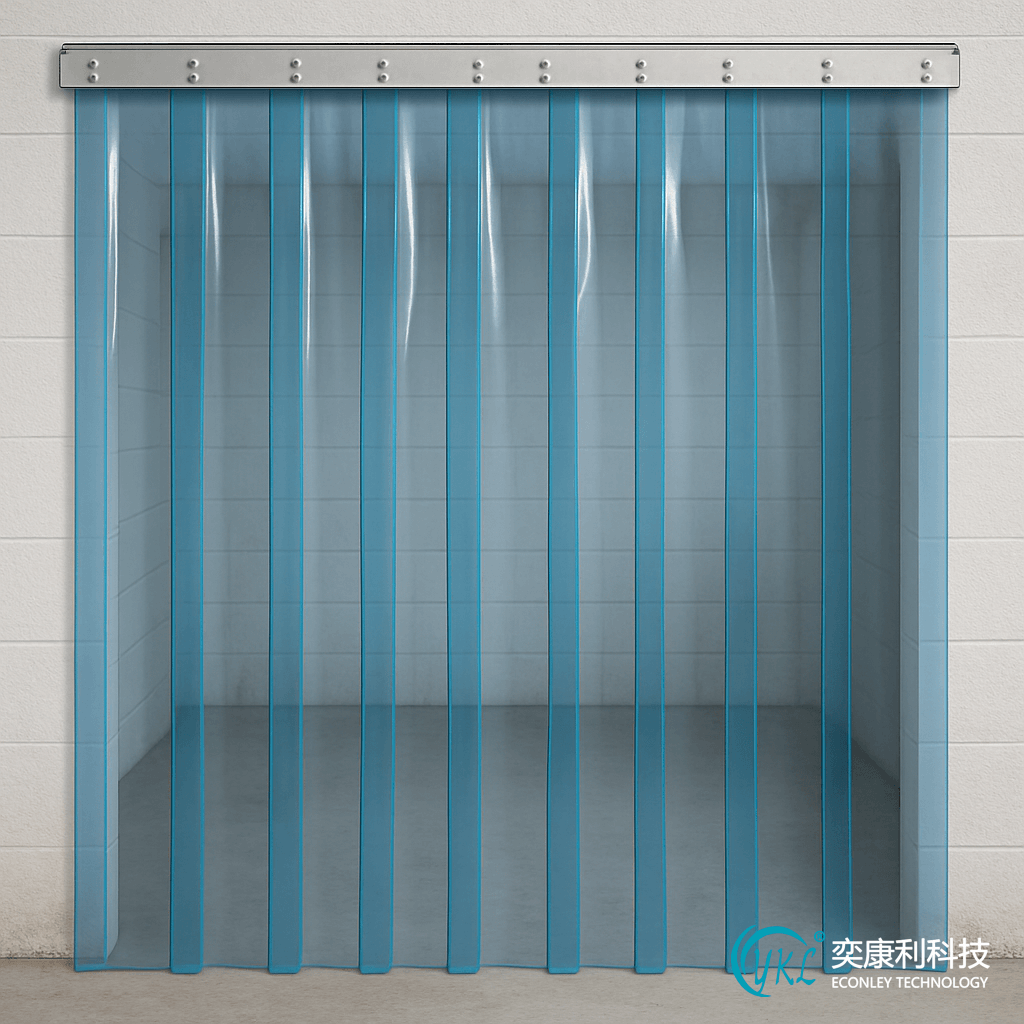
Strip curtains are a popular choice for laboratories that require easy access between different areas while still maintaining a barrier. They are made of overlapping strips of clear or tinted plastic, allowing for visibility and light transmission. Strip curtains are ideal for controlling dust, noise, and temperature, making them suitable for a wide range of laboratory applications.
Vinyl curtains are known for their durability and resistance to chemicals and moisture. They are often used in laboratories where chemical spills are a concern. Vinyl curtains can be custom-made to fit any size or shape, providing flexibility in design and installation.
For laboratories that deal with hazardous materials, biohazard curtains are essential. These curtains are made from specialized materials that provide an effective barrier against pathogens and contaminants. They are typically used in conjunction with other safety measures to ensure a secure environment.
Blackout curtains are used in laboratories where light control is necessary, such as in photolabs or areas where light-sensitive experiments are conducted. These curtains block out all light, providing a controlled environment for precise scientific work.
Implementing laboratory curtains offers numerous advantages that enhance the functionality and safety of the workspace.
Laboratory curtains are highly versatile and can be used in various settings, from medical labs to research facilities. They can be customized to fit any space and can be easily moved or adjusted as needed.
Compared to building permanent walls, laboratory curtains are a cost-effective solution for dividing spaces. They offer flexibility and can be easily replaced or reconfigured, allowing for adjustments as the needs of the laboratory change.
Most laboratory curtains are easy to install and require minimal maintenance. They can be cleaned with standard cleaning products, making them a practical choice for busy laboratory environments.
Selecting the right laboratory curtain involves considering several factors to ensure it meets your specific needs.
Before choosing a curtain, assess the unique needs of your laboratory. Consider factors such as the type of work being conducted, the level of privacy required, and any specific safety concerns. This assessment will guide you in selecting a curtain that aligns with your requirements.
The material of the curtain is crucial, especially in environments where exposure to chemicals or high levels of moisture is common. Opt for materials that offer durability and resistance to the specific conditions of your laboratory.
While cost shouldn't be the only factor in your decision, it's important to consider your budget. Laboratory curtains are available at various price points, so evaluate the cost-effectiveness of different options in relation to their features and benefits.
Look for curtains that offer customization options in terms of size, color, and material. This flexibility will ensure that the curtain fits seamlessly into your laboratory environment and meets all your specifications.
Laboratory curtains are an essential component in creating a functional, safe, and efficient laboratory environment. By providing privacy, enhancing safety, and offering flexibility, they meet the diverse needs of modern laboratories. Whether you're looking to control temperature, prevent contamination, or ensure confidentiality, there is a laboratory curtain designed to meet your needs.
By understanding the different types of curtains available and considering factors such as material, durability, and cost, you can make an informed decision that will benefit your laboratory operations. Embrace the versatility and practicality of laboratory curtains to optimize your workspace today.
by Woody Yan (https://unsplash.com/@woodyyan)
 Tel :13510328459
 Email :493432861@qq.com
 Phone :0755-82154850/25907050
 Add:205-206, 2nd Floor, Building 2, Xiazao Village Industrial Zone, Gaofeng Community, Dalang Street, Longhua District, Shenzhen City

About

Products
Cases
News
Contact
 493432861@qq.com