Service Hotline:13510328459
 205-206, 2nd Floor, Building 2, Xiazao Village Industrial Zone, Gaofeng Community, Dalang Street, Longhua District, Shenzhen City
Service Hotline:13510328459
205-206, 2nd Floor, Building 2, Xiazao Village Industrial Zone, Gaofeng Community, Dalang Street, Longhua District, Shenzhen City



Time:2025-10-23 Preview:
In the world of scientific research, maintaining a safe and efficient laboratory environment is paramount. One innovative solution that has gained traction in recent years is the use of laboratory anti-corrosion curtains. These specialized curtains are designed to protect laboratory spaces from corrosive chemicals and substances, ensuring the longevity of the equipment and the safety of personnel. This article delves into the customization of laboratory anti-corrosion curtain projects, exploring their significance, benefits, and how to tailor them to meet specific laboratory needs.
Laboratory anti-corrosion curtains are protective barriers made from materials resistant to corrosive chemicals. They are used to shield laboratory areas and equipment from potential damage caused by chemical exposure. These curtains are particularly useful in environments where hazardous substances are handled frequently, providing an additional layer of protection beyond standard safety measures.
Safety is a top priority in any laboratory setting. Anti-corrosion curtains play a crucial role in preventing chemical spills from spreading, minimizing the risk of accidents. By containing corrosive substances within a designated area, these curtains help maintain a safe working environment, protecting both laboratory personnel and sensitive equipment.
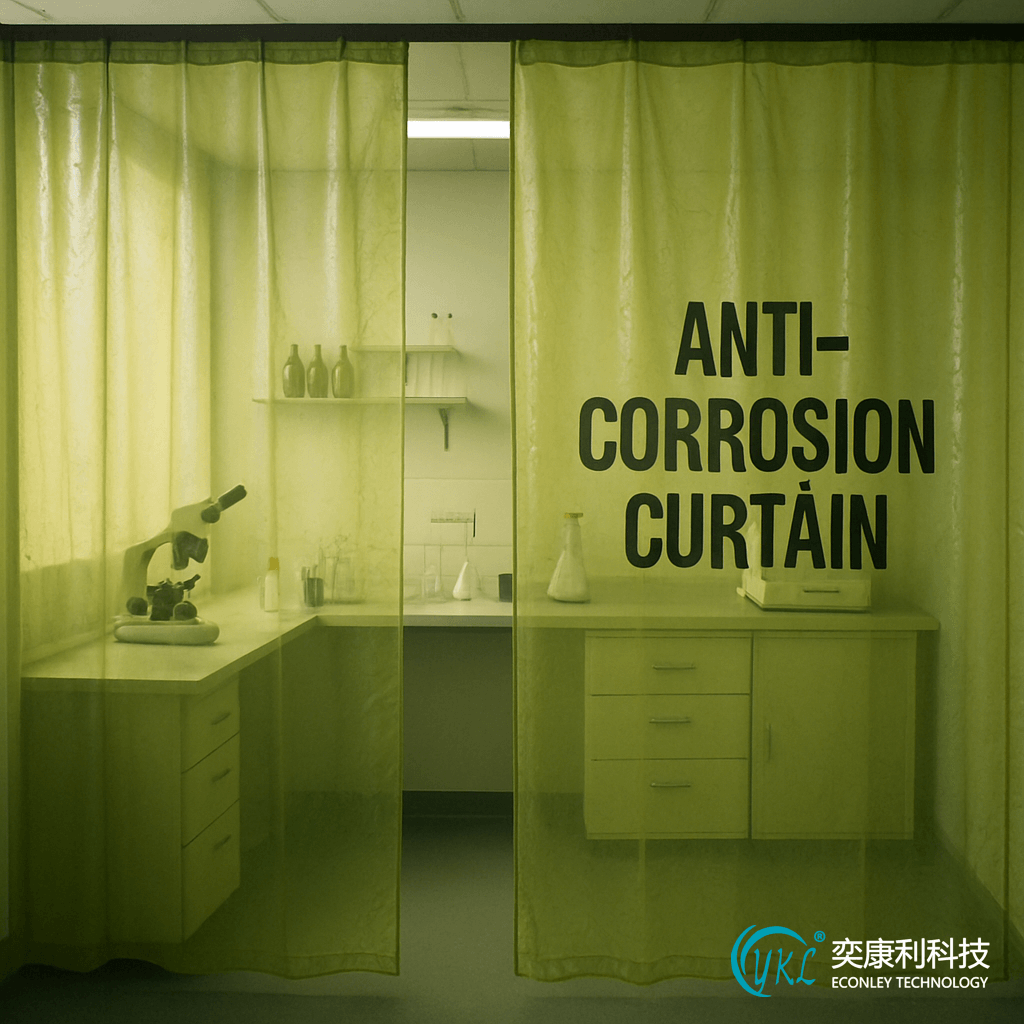
Customization is key when it comes to implementing anti-corrosion curtains in a laboratory. Tailoring these curtains to specific needs ensures optimal protection and functionality. Here are some benefits of customizing laboratory anti-corrosion curtain projects:
Customized anti-corrosion curtains can be designed to meet the specific chemical resistance requirements of a laboratory. This means that the curtains will provide the best possible protection against the particular corrosive substances used in that environment.
By designing curtains that fit perfectly within the laboratory space, you can optimize the use of available space and improve workflow efficiency. Custom curtains eliminate unnecessary gaps and overlaps, ensuring that every corner of the laboratory is adequately protected.
Investing in customized curtains may seem costly initially, but it can save money in the long run. Tailored solutions prevent damage to expensive equipment and reduce the need for frequent replacements, ultimately lowering maintenance costs.

Before embarking on a customization project, it is crucial to assess the specific needs of your laboratory. Consider the types of chemicals used, the layout of the space, and any unique requirements. This assessment will guide the design process and ensure that the curtains provide adequate protection.
Selecting the appropriate materials is a critical step in the customization process. The materials used for the curtains must be resistant to the specific chemicals they will be exposed to. Work with suppliers who specialize in laboratory safety products to choose materials that meet the highest safety standards.
Collaborate with a professional team to design and install the curtains. The design should take into account the layout of your laboratory, ensuring that the curtains fit seamlessly within the space. Professional installation guarantees that the curtains are secure and function effectively.
Once the curtains are installed, regular maintenance and inspection are necessary to ensure their continued effectiveness. Check for any signs of wear and tear and replace damaged sections promptly. Regular maintenance extends the life of the curtains and maintains a safe laboratory environment.
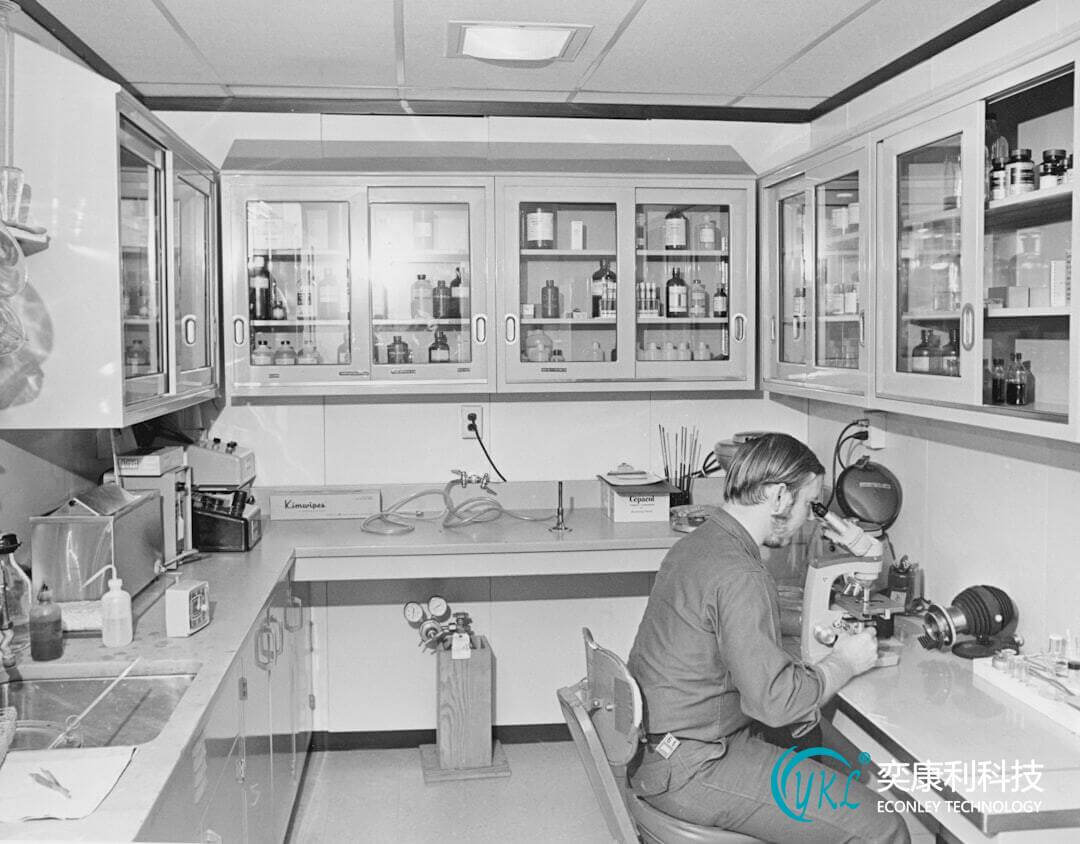
A university research laboratory dealing with volatile chemicals required a customized anti-corrosion curtain solution. By assessing their specific needs and working with experts, they designed a set of curtains that perfectly fit their laboratory space. The customized curtains not only improved safety but also enhanced the workflow, allowing researchers to focus on their experiments without safety concerns.
A pharmaceutical company needed to protect its sensitive equipment from corrosive substances used in drug development. They opted for customized anti-corrosion curtains made from high-resistance materials. The tailored solution effectively safeguarded their equipment, leading to a significant reduction in maintenance costs and downtime.
As sustainability becomes increasingly important, there is a growing trend towards using eco-friendly materials in the production of laboratory anti-corrosion curtains. These materials offer the same level of protection while reducing the environmental impact.
The integration of technology in laboratory settings is leading to the development of smart anti-corrosion curtains. These curtains can be equipped with sensors that detect chemical spills and alert personnel to potential hazards, further enhancing laboratory safety.
Customizing laboratory anti-corrosion curtains is an essential step towards ensuring a safe and efficient laboratory environment. By assessing specific needs, choosing the right materials, and working with professionals, laboratories can implement tailored solutions that offer maximum protection and cost-effectiveness. As technology and sustainability trends continue to evolve, laboratory anti-corrosion curtain projects will only become more advanced, providing even greater benefits to laboratory safety.
Implementing a customized laboratory anti-corrosion curtain project not only protects your laboratory and its personnel but also contributes to a more sustainable and efficient research environment. By investing in tailored solutions, you are taking a proactive step towards enhancing laboratory safety and efficiency, ensuring that your research can continue uninterrupted and safely.
 Tel :13510328459
 Email :493432861@qq.com
 Phone :0755-82154850/25907050
 Add:205-206, 2nd Floor, Building 2, Xiazao Village Industrial Zone, Gaofeng Community, Dalang Street, Longhua District, Shenzhen City

About

Products
Cases
News
Contact
 493432861@qq.com