Service Hotline:13510328459
 205-206, 2nd Floor, Building 2, Xiazao Village Industrial Zone, Gaofeng Community, Dalang Street, Longhua District, Shenzhen City
Service Hotline:13510328459
205-206, 2nd Floor, Building 2, Xiazao Village Industrial Zone, Gaofeng Community, Dalang Street, Longhua District, Shenzhen City



Time:2025-10-22 Preview:
In the realm of healthcare facilities, safety is paramount. With the constant movement of patients, staff, and equipment, it's essential to maintain an environment that minimizes risks. One critical aspect of this safety is the use of flame-retardant curtains. These specialized drapes not only enhance the aesthetic appeal of medical spaces but also play a significant role in fire prevention and control. In this comprehensive guide, we will delve into the world of fire-resistant drapes, exploring their importance, the customization options available, and how pricing is determined.
Flame-retardant curtains are designed to resist ignition and slow the spread of fire, thereby providing crucial time for evacuation and emergency response. In a hospital setting, where patients may be immobile and reliant on medical equipment, the ability to prevent and control fires is vital. These curtains are made from materials that have been treated with chemical fire retardants or are inherently resistant to flames due to their composition.
Enhanced Safety: The primary benefit is the increased level of safety they provide. By preventing the rapid spread of fire, these curtains help protect lives and property.
Compliance with Regulations: Many healthcare facilities are required by law to use flame-retardant materials to meet fire safety standards. Using these curtains ensures compliance with local and national fire codes.
Durability and Longevity: Flame-retardant curtains are typically made from robust materials that withstand frequent washing and exposure to sunlight, ensuring they last longer than standard curtains.
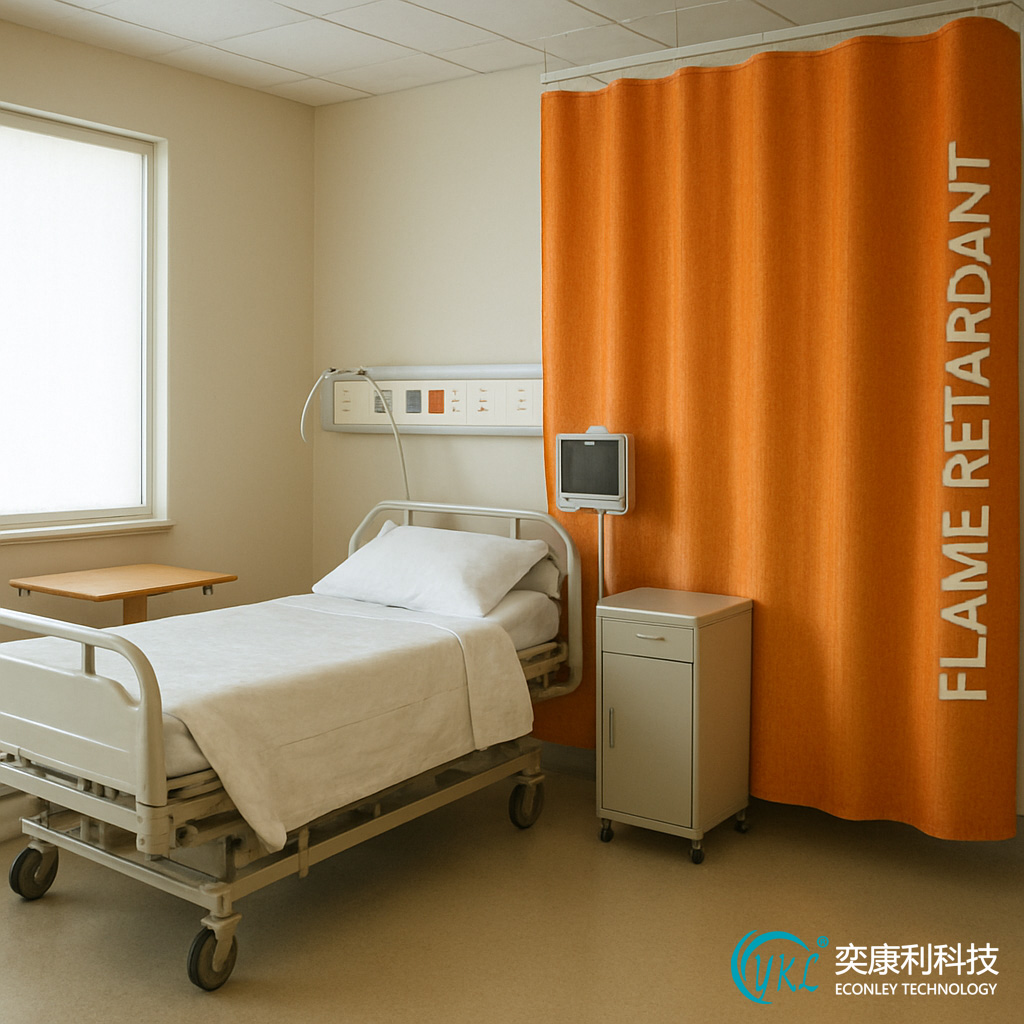
Customization is a key factor when selecting flame-retardant curtains for medical facilities. The ability to tailor curtains to specific needs ensures not only safety but also functionality and aesthetic harmony within the space.
The type of fabric used in flame-retardant curtains can significantly affect both performance and appearance. Popular options include:
Trevira CS: An inherently flame-retardant polyester fabric known for its durability and ease of maintenance.
Wool: Naturally flame-resistant, wool provides a classic look and excellent thermal insulation.
Polyester Blends: Often treated with flame-retardant chemicals, these blends offer a wide range of colors and textures.
Medical facilities often have specific design requirements to create a calming and professional environment. Custom flame-retardant curtains can be designed in various colors, patterns, and styles to match the facility's interior decor.
Curtains can be custom-made to fit any window size or shape, ensuring a perfect fit and optimal functionality. Installation options, such as ceiling tracks or wall-mounted rods, can also be customized to meet the facility's needs.
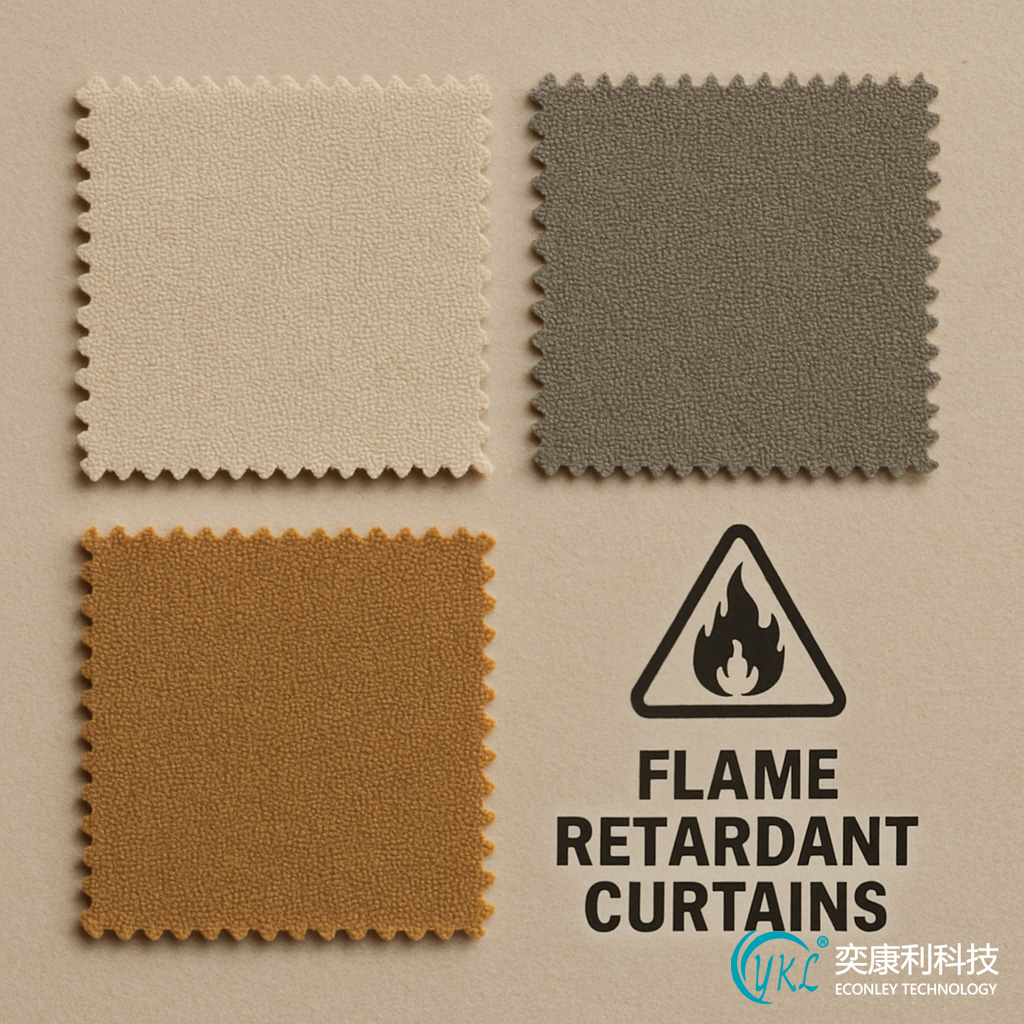
Understanding the factors that influence the pricing of flame-retardant curtains can help healthcare facilities make informed purchasing decisions. Here are the primary factors that affect cost:
The type of fabric chosen impacts the cost significantly. Inherently flame-retardant materials like Trevira CS tend to be more expensive than chemically treated fabrics. Additionally, specialty fabrics, such as those with anti-microbial properties, may increase the overall price.
The level of customization required will also influence pricing. Custom designs, unique colors, and special patterns can add to the cost. Facilities seeking a more elaborate aesthetic should anticipate higher expenses.
Larger curtains or bulk orders typically result in higher costs. However, purchasing in bulk may provide opportunities for discounts, making it a cost-effective option for outfitting an entire facility.
Ensuring that curtains meet fire safety standards and possess the necessary certifications can also affect pricing. Certified products, while potentially more costly, guarantee compliance with safety regulations.
Selecting a reliable supplier is crucial to obtaining high-quality flame-retardant curtains that meet your facility's requirements. Here are some tips for choosing the right supplier:
Look for suppliers with a solid reputation in the industry. Reading customer reviews and testimonials can provide insight into the quality of their products and customer service.
Ensure that the supplier provides curtains that comply with relevant fire safety standards and possess the necessary certifications. This guarantees that the products meet regulatory requirements.
Choose a supplier that offers a wide range of customization options to ensure that the curtains meet your specific needs. Whether it's fabric choice, design, or size, a good supplier should be able to accommodate your requests.
Flame-retardant curtains are a vital component of safety in medical facilities. By understanding the importance of these curtains, exploring customization options, and considering the factors influencing pricing, healthcare facilities can make informed decisions that enhance safety and aesthetics. Investing in high-quality, fire-resistant drapes not only protects patients and staff but also ensures compliance with fire safety regulations. As such, selecting the right flame-retardant curtains is an essential step in maintaining a safe and welcoming medical environment.
 Tel :13510328459
 Email :493432861@qq.com
 Phone :0755-82154850/25907050
 Add:205-206, 2nd Floor, Building 2, Xiazao Village Industrial Zone, Gaofeng Community, Dalang Street, Longhua District, Shenzhen City

About

Products
Cases
News
Contact
 493432861@qq.com