Service Hotline:13510328459
 205-206, 2nd Floor, Building 2, Xiazao Village Industrial Zone, Gaofeng Community, Dalang Street, Longhua District, Shenzhen City
Service Hotline:13510328459
205-206, 2nd Floor, Building 2, Xiazao Village Industrial Zone, Gaofeng Community, Dalang Street, Longhua District, Shenzhen City



Time:2025-10-21 Preview:
When it comes to hospital environments, safety and hygiene are of utmost importance. The role of a hospital flame-retardant antibacterial window screen is often overlooked, yet it plays a crucial part in maintaining a sterile and secure environment. In this article, we will delve into the benefits of these specialized window screens and why they are essential in healthcare facilities.
Hospital window screens are not your typical home window treatments. They are designed to provide privacy, safety, and hygiene in a setting where these elements are vital. These screens are specifically engineered to meet the rigorous standards required in healthcare facilities.
In a hospital, the risk of fire must be minimized as much as possible. This is why flame-retardant materials are crucial. Hospital flame-retardant antibacterial window screens are designed to resist ignition and prevent the spread of flames. This feature provides a critical safety measure in case of a fire, protecting both patients and staff.
Infection control is a major concern in any healthcare setting. Hospital window screens made with antibacterial materials help reduce the risk of infections by preventing bacteria from accumulating on their surfaces. This added layer of protection is essential in ensuring the safety and health of patients, visitors, and healthcare workers.
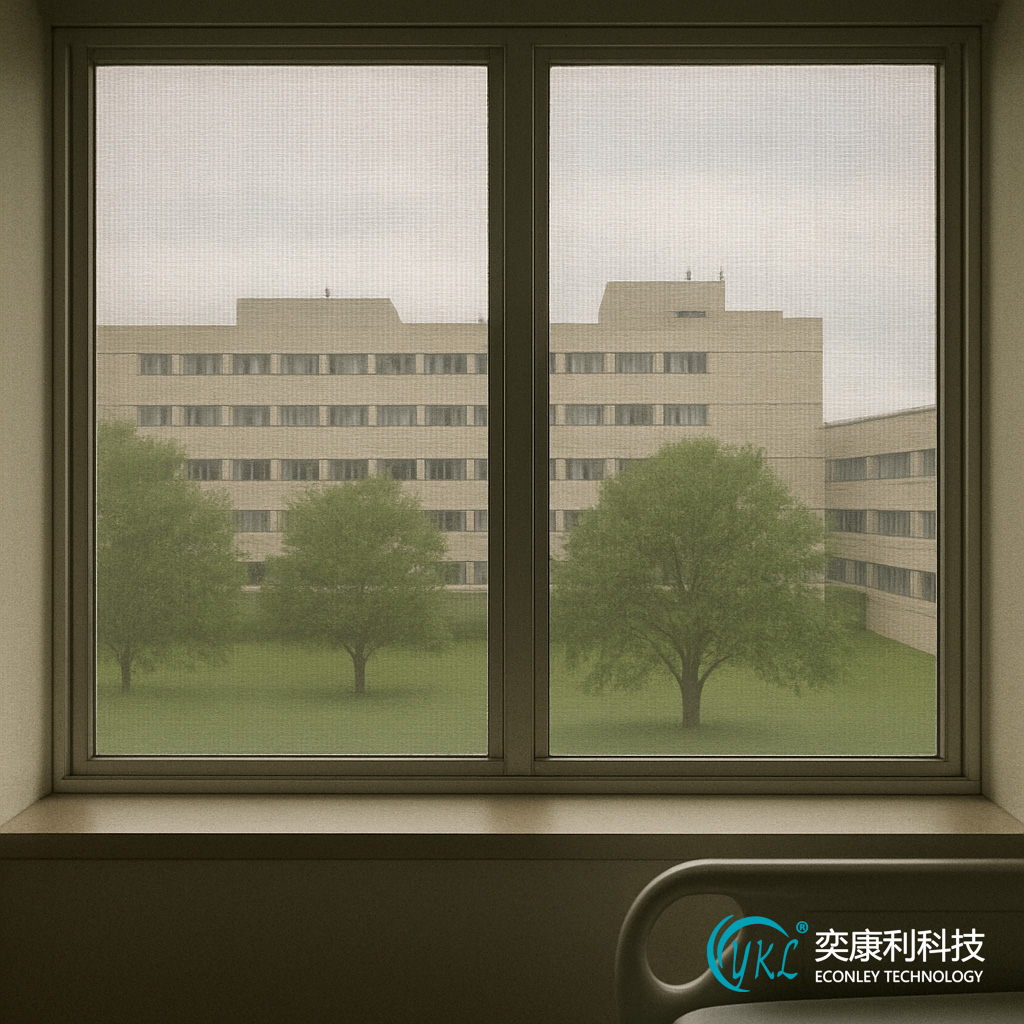
These specialized window screens offer a range of benefits that go beyond basic functionality. Let's explore some of these advantages:
Privacy is a significant concern in hospitals, where patients need to feel secure and comfortable. Hospital window screens provide the necessary privacy without compromising on light and ventilation. They allow natural light to filter through while maintaining a level of seclusion for patients.
Good ventilation is essential in hospitals to maintain air quality and reduce the spread of airborne diseases. Hospital flame-retardant antibacterial window screens are designed to facilitate airflow while keeping out insects and other pollutants. This helps ensure that patients have access to fresh air, which is vital for their recovery.
Healthcare facilities require materials that can withstand constant use and are easy to maintain. Hospital window screens are made from durable materials that can endure frequent cleaning and exposure to different environmental conditions. Their robust construction ensures longevity, making them a cost-effective choice for hospitals.
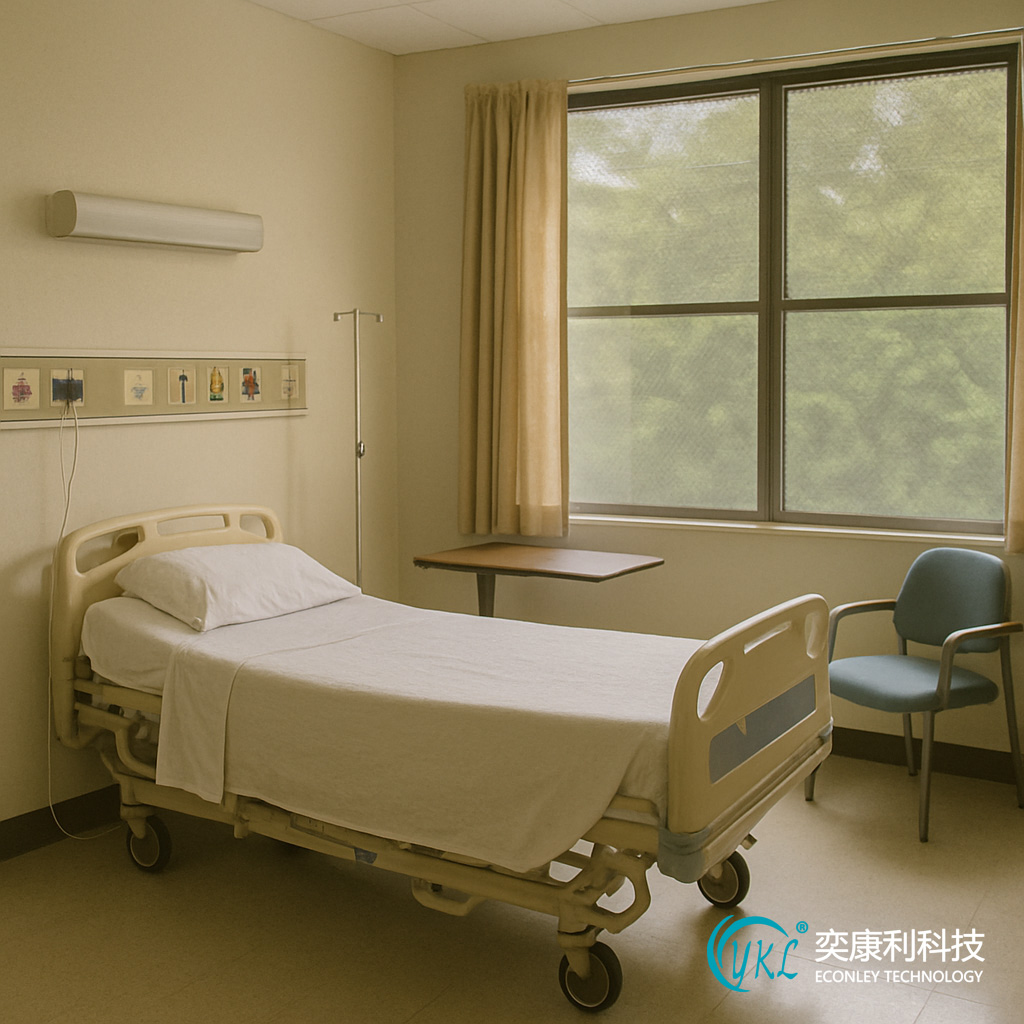
Proper installation and maintenance of hospital window screens are essential to ensure they function effectively. Here are some key considerations:
To ensure that hospital window screens provide maximum benefits, they should be installed by professionals. This ensures that they fit correctly and function as intended. Professional installation also guarantees that any potential issues are addressed promptly, reducing the risk of complications later on.
Regular cleaning and inspection of window screens are necessary to maintain their antibacterial properties and overall effectiveness. Hospital staff should be trained to clean the screens using appropriate methods and materials to prevent damage and ensure hygiene.
Over time, even the most durable window screens may require replacement. Hospitals should have a schedule for periodic replacement to ensure that all screens are in optimal condition. This proactive approach helps maintain the safety and hygiene standards required in healthcare settings.

Selecting the right window screens for a hospital involves considering several factors. Here are some tips to help make the right choice:
Before purchasing window screens, it's important to assess the specific needs of the hospital. Factors such as locati0n, climate, and patient demographics can influence the type of screens required. For instance, hospitals in areas with high humidity may benefit from screens with additional moisture resistance.
Hospital window screens are available in various materials, each with its own set of properties. Consider the advantages and disadvantages of each material to determine which is best suited for the facility's needs. Common materials include polyester, fiberglass, and PVC.
In addition to flame-retardant and antibacterial properties, some window screens offer additional features such as UV protection, soundproofing, and energy efficiency. These features can enhance the overall environment of the hospital and contribute to patient comfort and satisfaction.
Hospital flame-retardant antibacterial window screens are an essential component of a safe and hygienic healthcare environment. They offer numerous benefits, including enhanced privacy, improved air quality, and increased safety. By choosing the right screens and ensuring proper installation and maintenance, hospitals can provide a secure and comfortable setting for their patients and staff. Investing in high-quality window screens is a proactive step toward achieving the highest standards of healthcare.
 Tel :13510328459
 Email :493432861@qq.com
 Phone :0755-82154850/25907050
 Add:205-206, 2nd Floor, Building 2, Xiazao Village Industrial Zone, Gaofeng Community, Dalang Street, Longhua District, Shenzhen City

About

Products
Cases
News
Contact
 493432861@qq.com