Service Hotline:13510328459
 205-206, 2nd Floor, Building 2, Xiazao Village Industrial Zone, Gaofeng Community, Dalang Street, Longhua District, Shenzhen City
Service Hotline:13510328459
205-206, 2nd Floor, Building 2, Xiazao Village Industrial Zone, Gaofeng Community, Dalang Street, Longhua District, Shenzhen City



Time:2025-10-21 Preview:
When it comes to creating a safe and healthy environment, especially in medical facilities, every detail counts. One often overlooked aspect is the window screen. Medical-grade flame-retardant antibacterial window screens serve a dual purpose: they prevent the spread of bacteria while also offering protection against fire. In this comprehensive guide, we'll explore the technical parameters of these specialized screens, helping you understand why they are essential for healthcare settings and beyond.
Medical-grade flame-retardant antibacterial window screens are specially designed mesh screens that offer both fire resistance and antibacterial properties. These screens are crucial in maintaining safety and hygiene, particularly in environments where infection control and fire safety are top priorities, such as hospitals and laboratories.
Flame-Retardant Properties: These screens are treated with flame-retardant chemicals to prevent fire from spreading. This feature is vital in reducing the risk of fire-related accidents in medical facilities.
Antibacterial Coating: The screens are coated with antibacterial agents that inhibit the growth of bacteria on their surface, thereby contributing to a sterile environment.
Durability: Made with high-quality materials, these screens are designed to withstand rigorous use and environmental conditions without degrading.
Visibility and Ventilation: Despite their protective features, these screens maintain excellent visibility and allow for proper ventilation, which is crucial for patient comfort and safety.
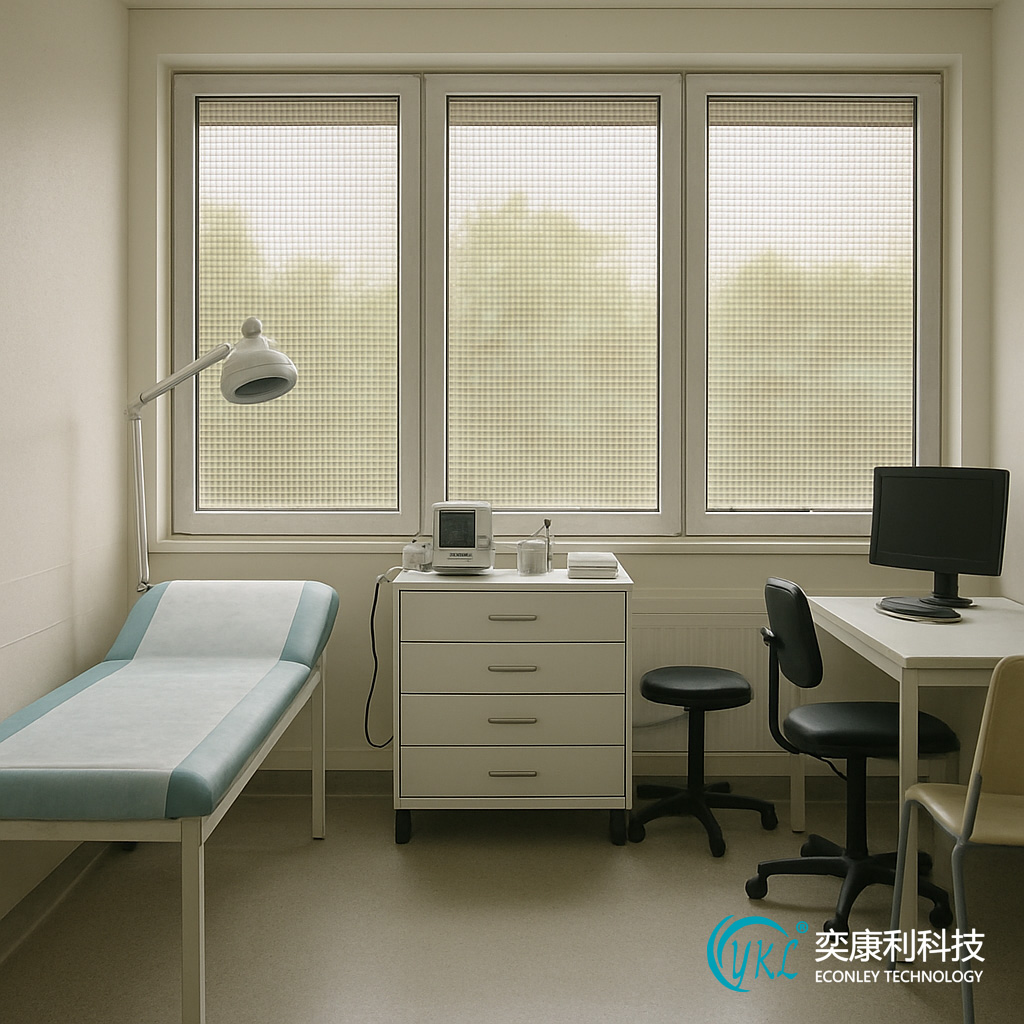
Understanding the technical parameters of these window screens will help you make an informed decision when selecting them for your facility.
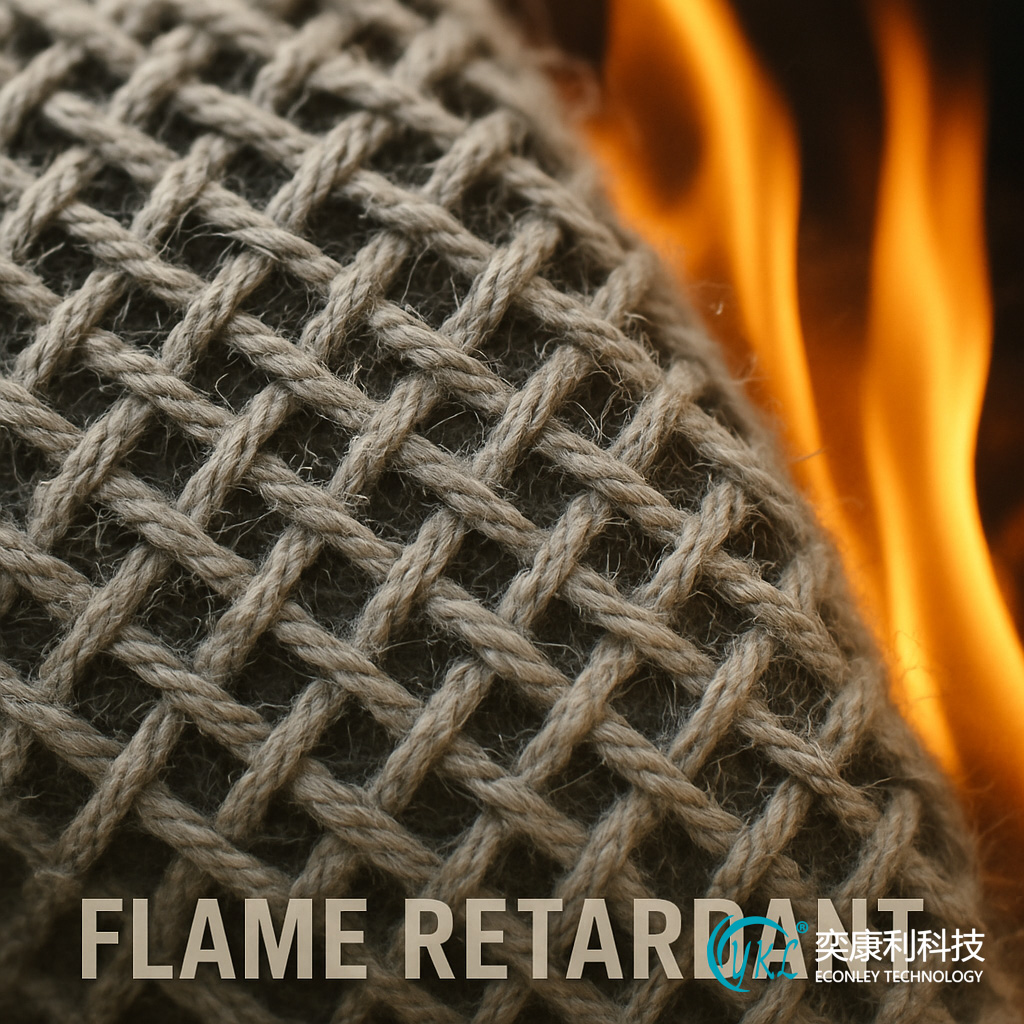
Medical-grade flame-retardant window screens are typically made from a blend of materials, including fiberglass and polyester. This combination provides durability and flexibility while ensuring the screen can withstand high temperatures.
Fiberglass: Offers strength and fire resistance.
Polyester: Adds flexibility and enhances the antibacterial properties.
These screens comply with stringent fire safety standards to ensure maximum protection. Common standards include:
UL 94: A standard for the flammability of plastic materials, ensuring that the screen's materials are self-extinguishing and do not contribute to fire spread.
NFPA 701: A test method for flame propagation of textiles and films, confirming the screen's ability to resist fire.
The antibacterial coating is tested against various bacteria strains to ensure effectiveness. It inhibits bacteria growth by disrupting their cell walls, preventing reproduction.
ISO 22196: A standard that measures antibacterial activity on plastic surfaces, ensuring the screen's ability to reduce bacterial presence.
The mesh size is optimized to balance protection with visibility and airflow. Typical specifications include:
Mesh Size: 18x16 per square inch, allowing for ample airflow while preventing insects and debris from entering.
Yarn Diameter: Approximately 0.011 inches, providing strength without compromising transparency.
Proper installation and maintenance are crucial to maximizing the benefits of medical-grade flame-retardant antibacterial window screens.
Professional Installation: It's recommended to have these screens professionally installed to ensure a proper fit and full functionality.
Custom Sizing: Screens can be customized to fit any window size, ensuring no gaps that could compromise safety or hygiene.
Regular Cleaning: Clean the screens regularly with mild soap and water to maintain their antibacterial properties and ensure clear visibility.
Inspection for Damage: Periodically check for any signs of wear or damage and replace screens as needed to maintain their effectiveness.
Avoid Harsh Chemicals: Use gentle cleaning agents to avoid degrading the flame-retardant and antibacterial coatings.
While primarily used in medical facilities, these window screens are also suitable for other environments where safety and hygiene are critical.
Hospitals and Clinics: Protect patients and staff by reducing the risk of infection and fire.
Laboratories: Maintain a controlled environment where experiments and sensitive work are conducted.
Schools and Daycares: Ensure children's safety by preventing the spread of germs and providing fire protection.
Senior Living Facilities: Protect residents who may have compromised immune systems or mobility challenges.
Government Offices: Enhance safety measures in high-traffic areas.
Transportation Hubs: Improve hygiene and safety in places like airports and train stations.
Medical-grade flame-retardant antibacterial window screens are an essential investment for any facility that prioritizes safety and hygiene. With their robust technical parameters, these screens offer unparalleled protection against fire and bacteria, ensuring peace of mind for both facility managers and occupants. By understanding the features, installation, and maintenance of these screens, you can create a safer and healthier environment for everyone involved.
Incorporating these advanced window screens into your facility's design not only enhances safety but also demonstrates a commitment to providing the highest standards of care and protection. Whether you're managing a hospital, a school, or a residential building, these screens are an indispensable tool in maintaining a secure and sterile environment.
 Tel :13510328459
 Email :493432861@qq.com
 Phone :0755-82154850/25907050
 Add:205-206, 2nd Floor, Building 2, Xiazao Village Industrial Zone, Gaofeng Community, Dalang Street, Longhua District, Shenzhen City

About

Products
Cases
News
Contact
 493432861@qq.com