Service Hotline:13510328459
 205-206, 2nd Floor, Building 2, Xiazao Village Industrial Zone, Gaofeng Community, Dalang Street, Longhua District, Shenzhen City
Service Hotline:13510328459
205-206, 2nd Floor, Building 2, Xiazao Village Industrial Zone, Gaofeng Community, Dalang Street, Longhua District, Shenzhen City



Time:2025-10-20 Preview:
In hospitals, maintaining patient privacy and safety is paramount, and bathroom window screens play a crucial role in ensuring both. In this article, we will explore the importance of bathroom window privacy, the steps for window screen installation, and the specific considerations for hospital bathroom window screens. Whether you are involved in hospital management, facility maintenance, or just interested in the topic, this guide will provide valuable insights.
Privacy is a fundamental concern in any healthcare environment, and bathrooms are no exception. Patients deserve to feel secure and at ease, especially during personal moments. Bathroom window screens help provide this essential privacy by obstructing the view into the bathroom from the outside.
A well-installed window screen ensures that patients can use bathroom facilities without worrying about external visibility. This sense of security can significantly enhance patient comfort and satisfaction, which are critical components of effective healthcare delivery.
In addition to privacy, window screens also contribute to patient safety. Properly fitted screens can prevent external debris, insects, or even unauthorized access from outside, thereby maintaining a safe and hygienic environment within hospital bathrooms.
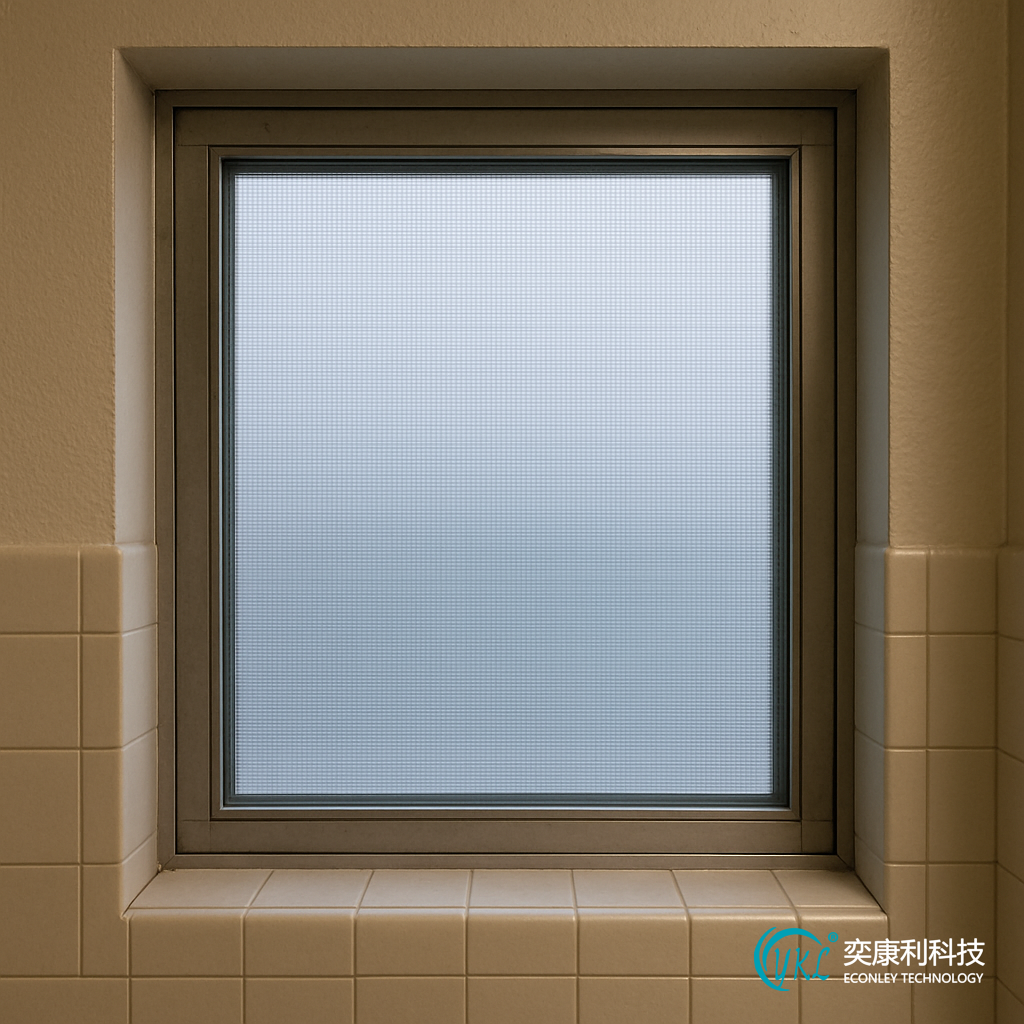
Installing a window screen is a straightforward process that can be completed with the right tools and preparation. Here, we outline the basic steps involved in window screen installation, emphasizing aspects that are particularly relevant in a hospital setting.
To install a window screen, you will need the following materials:
Window screen mesh
Screen frame kit
Spline roller
Spline (rubber material that holds the screen in place)
Scissors or utility knife
Measuring tape
Step-by-Step Installation Guide
Measure the Window: Begin by measuring the dimensions of the window where the screen will be installed. Accurate measurements ensure that the screen fits snugly, providing optimal privacy and security.
Assemble the Frame: Using the screen frame kit, assemble the frame according to the window's dimensions. Most kits come with corner connectors that make this process simple and efficient.
Cut the Screen Mesh: Roll out the screen mesh and cut it to fit the assembled frame, leaving a little extra on each side to ensure full coverage.
Attach the Screen to the Frame: Lay the screen mesh over the frame and use the spline roller to press the spline into the frame's grooves, securing the mesh in place. Trim any excess mesh for a clean finish.
Install the Screen: Once the screen is securely attached to the frame, it can be installed in the window. Ensure that it is properly fitted to prevent gaps that could compromise privacy or safety.
Regular maintenance of window screens is essential to ensure they continue to provide privacy and safety. Inspect screens periodically for tears or damage and replace them as needed. Cleaning the screens with mild soap and water will also help maintain their appearance and functionality.
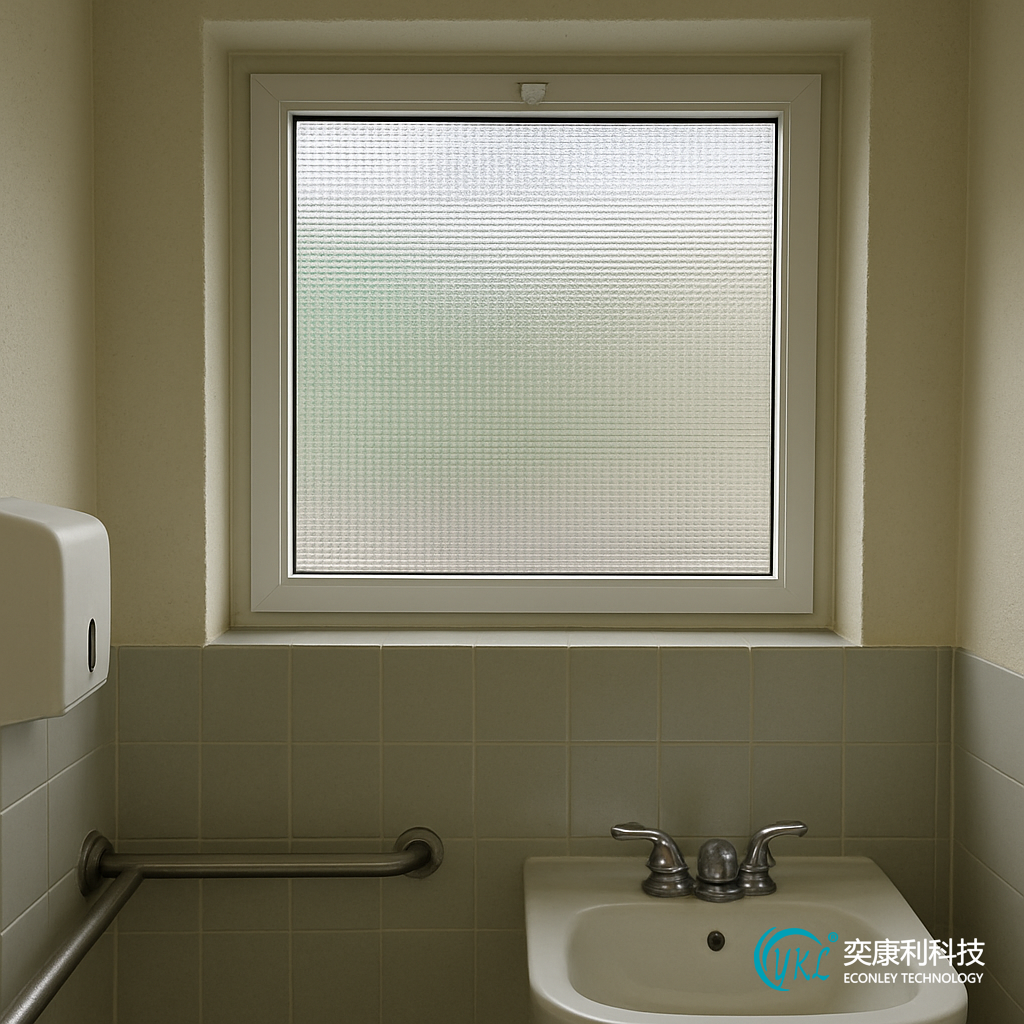
When installing window screens in hospital bathrooms, there are additional considerations to keep in mind to address the unique needs of healthcare facilities.
Hospital environments demand high standards of cleanliness and durability. Choose window screen materials that are easy to clean and resistant to wear and tear. Consider antimicrobial mesh options that offer added protection against the spread of germs.
Ensure that the window screens comply with any relevant building codes or healthcare regulations. This may include fire safety standards, accessibility requirements, and specific privacy guidelines for healthcare facilities.
In some cases, standard window screens may not meet the specific needs of a hospital bathroom. Custom solutions, such as frosted or tinted screens, can provide enhanced privacy while allowing natural light to enter the space. Work with a professional to design and install custom screens that meet your facility's unique requirements.

While DIY installation is possible, professional installation services offer several advantages, particularly in a hospital setting. Professionals can ensure that the screens are installed correctly and meet all regulatory requirements. They can also provide valuable advice on the best materials and designs for your specific needs.
Choosing the Right Professional
When selecting a professional for window screen installation, consider the following:
Experience in healthcare environments
Knowledge of relevant regulations
Reputation and customer reviews
Ability to provide custom solutions
Bathroom window screens are a vital component of hospital privacy and safety. By understanding the importance of window screen installation and considering the unique needs of hospital bathrooms, you can create a secure and comfortable environment for patients. Whether opting for DIY installation or hiring a professional, prioritize quality and compliance to ensure the best outcomes for your facility.
By following these guidelines, hospitals can effectively enhance patient privacy and safety through the strategic installation of bathroom window screens. With proper installation and maintenance, these screens will serve as a reliable safeguard for years to come.
 Tel :13510328459
 Email :493432861@qq.com
 Phone :0755-82154850/25907050
 Add:205-206, 2nd Floor, Building 2, Xiazao Village Industrial Zone, Gaofeng Community, Dalang Street, Longhua District, Shenzhen City

About

Products
Cases
News
Contact
 493432861@qq.com