Service Hotline:13510328459
 205-206, 2nd Floor, Building 2, Xiazao Village Industrial Zone, Gaofeng Community, Dalang Street, Longhua District, Shenzhen City
Service Hotline:13510328459
205-206, 2nd Floor, Building 2, Xiazao Village Industrial Zone, Gaofeng Community, Dalang Street, Longhua District, Shenzhen City



Time:2025-10-20 Preview:
In the ever-evolving world of healthcare, maintaining a sterile environment is of paramount importance. Hospitals worldwide are adopting innovative solutions to ensure the safety and well-being of their patients. One such advancement is the use of special antibacterial curtains in hospital settings. In China, these projects have gained significant traction, providing a blend of privacy and hygiene. This article explores the significant role these curtains play in healthcare, focusing on their benefits and the ongoing projects in China.
Hospital privacy curtains are more than just dividers; they serve a critical role in patient care. They ensure privacy, a fundamental right for patients, while also contributing to infection control. In a bustling hospital environment, these curtains offer a temporary barrier between patients, facilitating a sense of security and personal space.
Patient privacy is crucial in medical settings. Privacy curtains help maintain confidentiality during consultations, examinations, and treatments. They act as physical barriers, allowing healthcare professionals to perform procedures without compromising patient dignity. This aspect of care is particularly important in shared hospital rooms where multiple patients are treated simultaneously.
Apart from privacy, hospital curtains are instrumental in infection control. Traditional curtains, however, can harbor bacteria and pathogens, contributing to cross-contamination. This is where antibacterial curtains come into play, offering a hygienic alternative that actively reduces the spread of infectious agents.
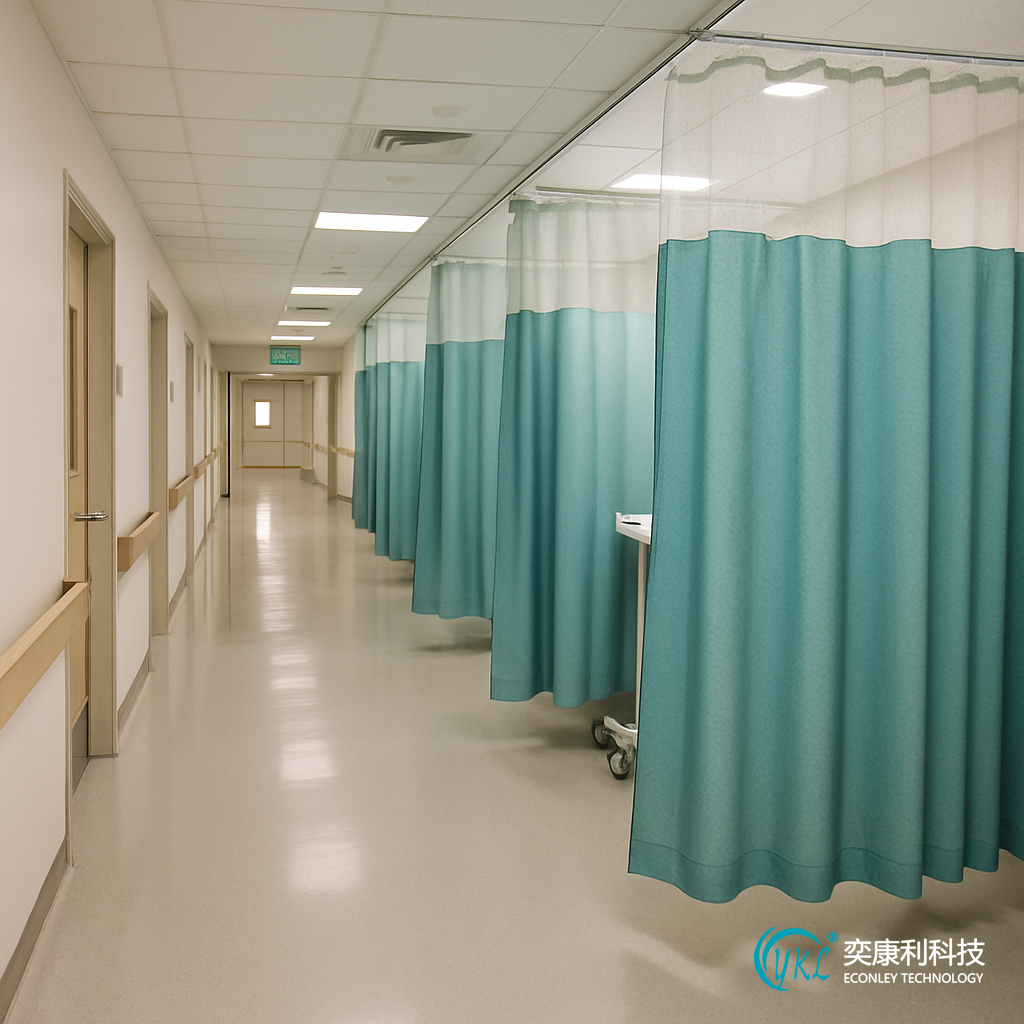
The introduction of antibacterial curtains marks a significant advancement in hospital hygiene. These curtains are treated with antimicrobial agents that inhibit the growth of bacteria, viruses, and fungi. This proactive approach to infection control helps in creating a safer environment for both patients and healthcare workers.
Antibacterial curtains are infused with agents such as silver ions or other antimicrobial compounds. These substances disrupt the cell walls of microbes, effectively killing them or inhibiting their growth. This technology ensures that the curtains remain clean and hygienic, reducing the need for frequent washing and replacement.
Enhanced Hygiene: By reducing the microbial load, antibacterial curtains minimize the risk of hospital-acquired infections (HAIs).
Cost-Effective: Although initially more expensive than regular curtains, antibacterial curtains are cost-effective in the long run due to their durability and reduced maintenance needs.
Environmentally Friendly: These curtains require less frequent laundering, saving water and reducing the use of detergents.
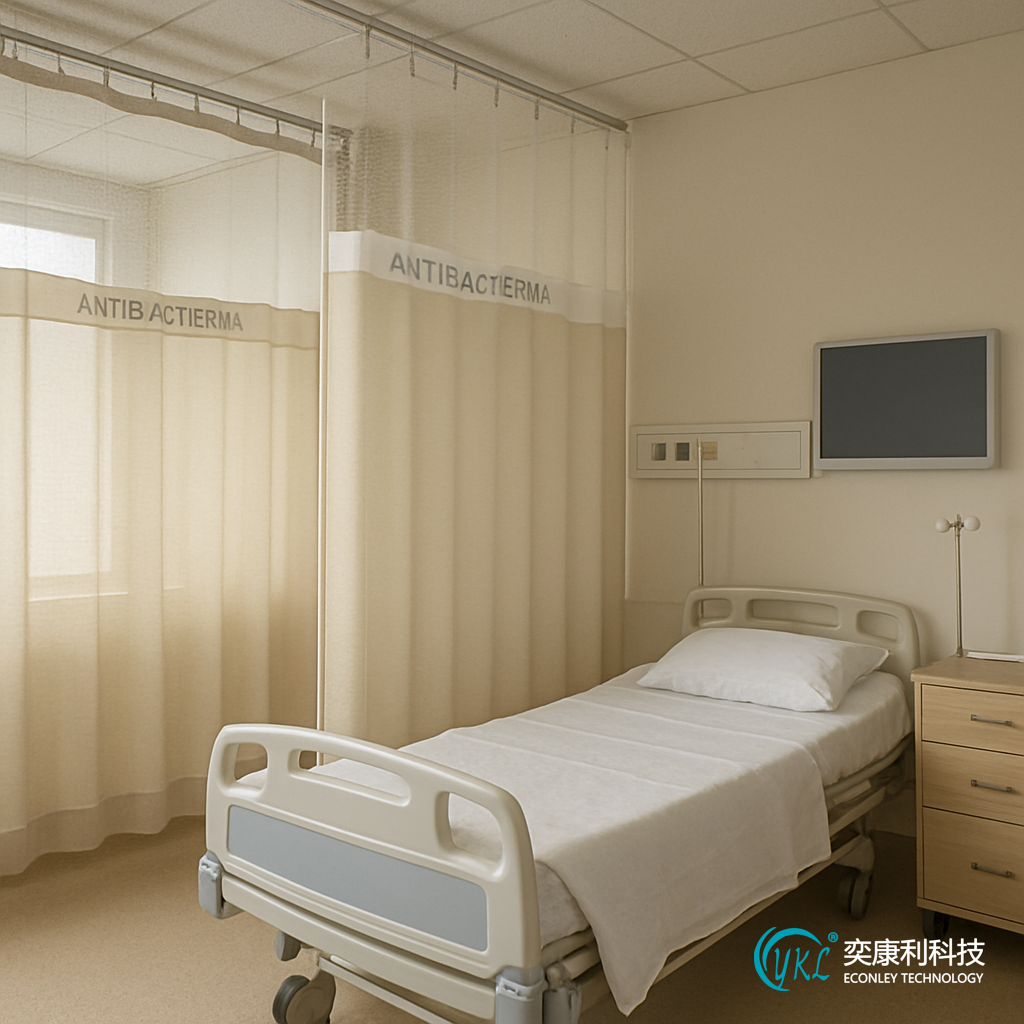
China has been at the forefront of implementing hospital special antibacterial curtain projects. These initiatives aim to modernize healthcare facilities by integrating advanced infection control measures.
China’s healthcare system has recognized the potential of antibacterial curtains in improving hospital hygiene. Many hospitals across the country have begun installing these curtains, significantly enhancing their infection control protocols. This nationwide effort is part of a larger strategy to modernize medical infrastructure and improve patient outcomes.
Some leading hospitals in China have already reported positive results from using antibacterial curtains. For instance, a renowned hospital in Beijing saw a reduction in infection rates after replacing traditional curtains with antibacterial ones. This success story has inspired other institutions to follow suit, making antibacterial curtains a standard feature in Chinese hospitals.

As technology continues to evolve, the future of hospital curtains looks promising. Innovations in antimicrobial treatments and smart textiles are paving the way for even more effective infection control solutions. The ongoing projects in China serve as a model for other countries, demonstrating the impact of integrating advanced materials in healthcare settings.
Future developments may include curtains with integrated sensors to monitor environmental conditions or detect the presence of specific pathogens. Such innovations could further enhance patient safety and improve hospital hygiene standards.
China’s success with antibacterial curtain projects could influence global healthcare practices. As hospitals worldwide seek to improve their infection control measures, the adoption of antibacterial curtains may become a universal standard.
The integration of special antibacterial curtains in Chinese hospitals represents a significant step forward in healthcare innovation. These projects not only improve patient privacy and comfort but also play a critical role in infection control. As China continues to lead the way in implementing these advanced solutions, other nations may look to adopt similar practices, enhancing global healthcare standards. By investing in such technologies, hospitals can ensure a safer, more hygienic environment for patients and staff alike.
 Tel :13510328459
 Email :493432861@qq.com
 Phone :0755-82154850/25907050
 Add:205-206, 2nd Floor, Building 2, Xiazao Village Industrial Zone, Gaofeng Community, Dalang Street, Longhua District, Shenzhen City

About

Products
Cases
News
Contact
 493432861@qq.com