Service Hotline:13510328459
 205-206, 2nd Floor, Building 2, Xiazao Village Industrial Zone, Gaofeng Community, Dalang Street, Longhua District, Shenzhen City
Service Hotline:13510328459
205-206, 2nd Floor, Building 2, Xiazao Village Industrial Zone, Gaofeng Community, Dalang Street, Longhua District, Shenzhen City



Time:2025-09-28 Preview:
When it comes to designing a building, every detail matters. One often overlooked detail is the handrail system used in corridors. Custom corridor handrails not only enhance the aesthetic appeal of a space but also ensure safety and compliance with building codes. In this article, we will explore the benefits of custom railing systems, the process of designing a custom handrail, and the factors to consider when choosing the perfect design for your corridor.
Custom railing systems play a significant role in the overall look of a building's interior. Unlike standard handrails, which can be plain and uninspiring, custom designs allow you to create a unique visual statement. Whether you prefer a sleek, modern look or a more traditional design, custom handrails can be tailored to complement your building's architecture.
Safety is a top priority in any building, and handrails are crucial for preventing accidents. Custom corridor handrails are designed to meet specific safety standards and building codes, ensuring that they provide the necessary support and stability. This is especially important in areas with high foot traffic, such as office buildings, schools, and hospitals.
Investing in a custom handrail design means choosing materials and finishes that are built to last. Custom handrails are typically made from high-quality materials such as stainless steel, aluminum, or wood, which offer superior durability compared to standard options. This ensures that your handrail will withstand daily use and maintain its appearance over time.
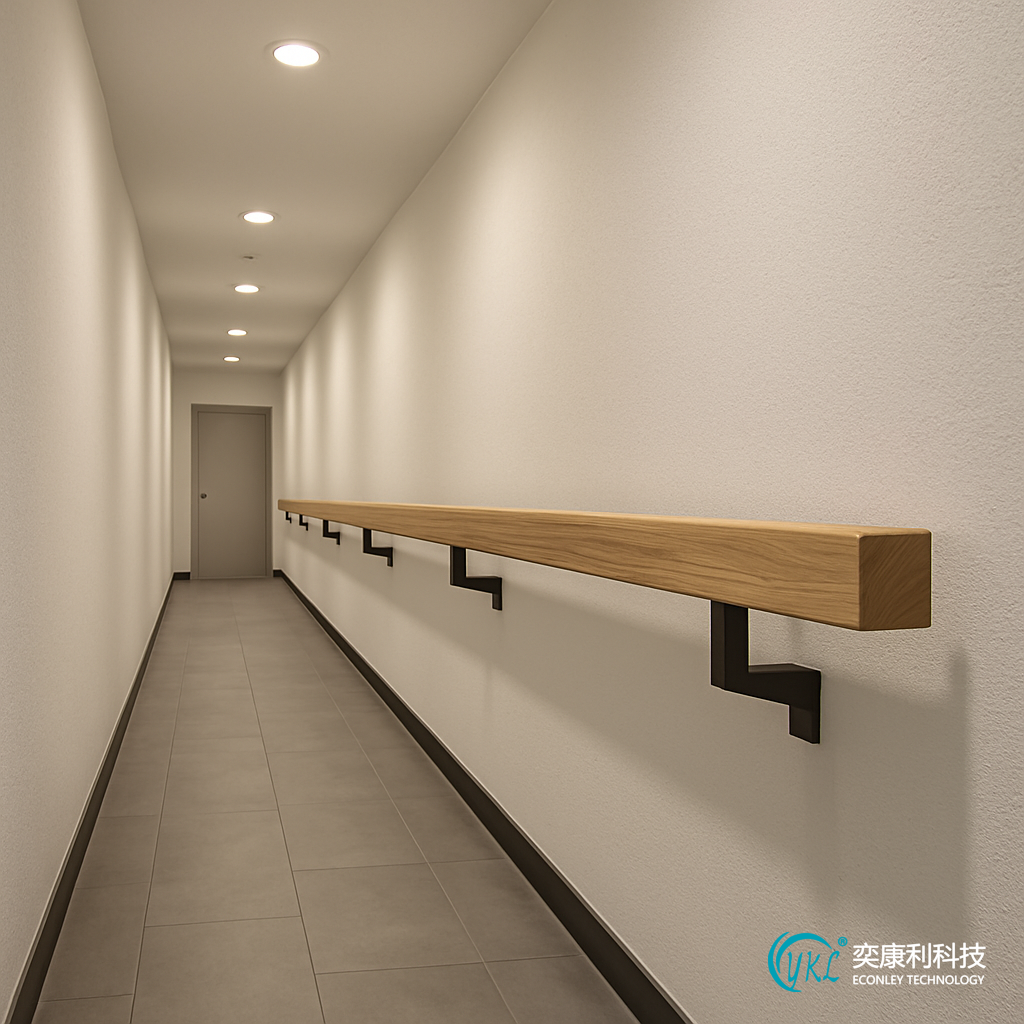
The first step in designing a custom corridor handrail is to consult with a professional designer or architect. They will assess your space, understand your needs, and provide recommendations based on your preferences and budget. This collaborative process ensures that the final design is both functional and visually appealing.
Choosing the right material is crucial for the success of your custom handrail design. Each material has its own unique properties and benefits:
Stainless Steel: Known for its strength and resistance to corrosion, stainless steel is a popular choice for modern designs. It provides a sleek, industrial look that pairs well with contemporary interiors.
Aluminum: Lightweight and versatile, aluminum is an excellent option for custom handrails. It can be easily shaped and finished in a variety of colors, making it ideal for creative designs.
Wood: For a classic and warm aesthetic, wood is the perfect choice. It can be stained or painted to match your interior decor, and its natural texture adds a touch of elegance.
Custom handrails can incorporate various design elements to enhance their appearance and functionality. Some popular options include:
Integrated Lighting: Adding LED lights to your handrail can improve visibility and add a modern touch to your corridor.
Decorative Patterns: Intricate patterns or motifs can be laser-cut or etched into metal handrails for a unique look.
Ergonomic Grips: Designing handrails with ergonomic shapes ensures comfort and ease of use for all individuals.
Factors to Consider When Choosing a Custom Handrail Design

Before finalizing your custom handrail design, it's essential to ensure that it complies with local building codes and regulations. These codes dictate specific requirements such as handrail height, spacing, and load-bearing capacity. Working with a professional designer will help you navigate these regulations and avoid potential issues.
Custom handrails can vary significantly in cost, depending on the materials and complexity of the design. It's important to establish a budget early in the process and communicate it to your designer. They can help you choose cost-effective options that meet your design goals without compromising quality.
Different materials and finishes require varying levels of maintenance. For example, stainless steel and aluminum are relatively low-maintenance, while wood may need periodic refinishing. Consider the maintenance requirements of your chosen material to ensure that your handrail remains in top condition.
Custom corridor handrails offer numerous benefits, making them a worthwhile investment for any building project. They enhance the aesthetic appeal of your space, provide essential safety features, and can be tailored to suit your specific needs and preferences. By working with a professional designer, you can create a handrail system that complements your building's architecture and meets all necessary regulations.
Investing in custom handrails can also increase the value of your property. High-quality, well-designed handrails are a desirable feature for potential buyers or tenants, as they indicate attention to detail and a commitment to safety and style.
Custom handrails allow you to express your unique style and create a space that stands out. Whether you're designing a corporate office, a residential building, or a public facility, custom handrails can help you achieve the look and feel you desire.
In conclusion, custom corridor handrails are an essential component of any building design. They provide safety, enhance aesthetic appeal, and offer the flexibility to create a unique and functional space. By considering factors such as material selection, design elements, and building codes, you can create a handrail system that meets your needs and exceeds your expectations. Whether you're renovating an existing space or designing a new building, custom handrails are a smart investment that will pay off in the long run.
 Tel :13510328459
 Email :493432861@qq.com
 Phone :0755-82154850/25907050
 Add:205-206, 2nd Floor, Building 2, Xiazao Village Industrial Zone, Gaofeng Community, Dalang Street, Longhua District, Shenzhen City

About

Products
Cases
News
Contact
 493432861@qq.com