Service Hotline:13510328459
 205-206, 2nd Floor, Building 2, Xiazao Village Industrial Zone, Gaofeng Community, Dalang Street, Longhua District, Shenzhen City
Service Hotline:13510328459
205-206, 2nd Floor, Building 2, Xiazao Village Industrial Zone, Gaofeng Community, Dalang Street, Longhua District, Shenzhen City



Time:2025-09-28 Preview:
Designing accessible spaces is not just about compliance; it's about creating environments that are welcoming and usable for everyone. One crucial element in this design is the handrail. Custom-made accessible handrails ensure safety, comfort, and aesthetic appeal. In this article, we'll explore the journey from design to installation of these essential architectural components.
Handrails serve as a support and guide, providing stability and balance. For individuals with mobility challenges, they are indispensable. Custom-made accessible handrails go a step further, offering tailored solutions that meet specific needs and preferences, ensuring both functionality and style.
Standard handrails might not meet the unique requirements of every space or individual. Customization allows for adjustments in height, grip, and style, ensuring the handrail is not only accessible but also integrates seamlessly with the overall design of the space.
It's important to note that while customization is key, all handrails must comply with local and international standards for accessibility. These regulations ensure safety and accessibility for all users, making it crucial to work with designers and fabricators who are knowledgeable about these requirements.
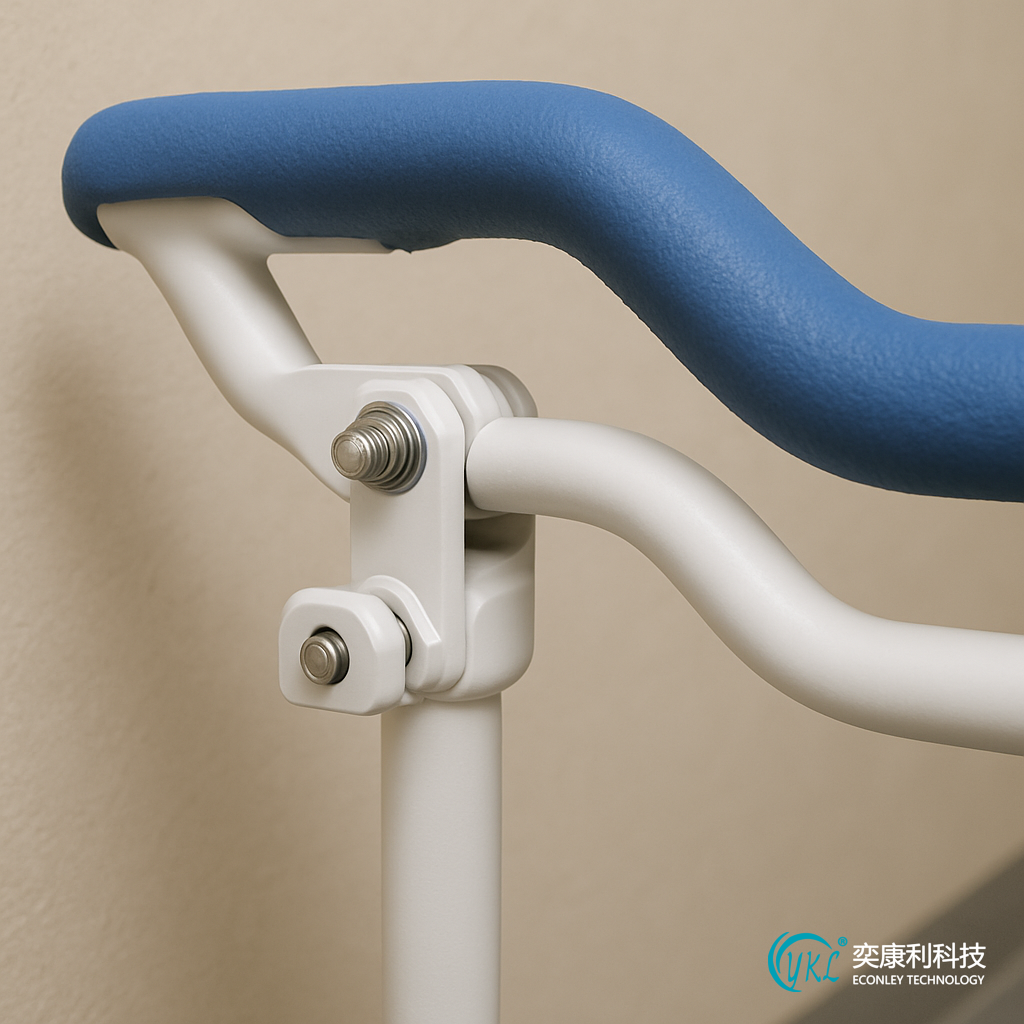
Creating a custom-made accessible handrail from design involves several steps. Each phase requires careful consideration to ensure the final product is both functional and aesthetically pleasing.
The process begins with an initial consultation. This is where the client's needs and preferences are discussed. Factors such as the intended user group, the architectural style of the space, and any specific accessibility requirements are considered. This stage is crucial for laying the foundation of the design.
After gathering all necessary information, the design team drafts initial concepts. These designs consider not only the functional requirements but also how the handrail will complement the existing architecture. Prototyping may involve creating models or digital renderings to visualize how the handrail will look and function in the intended space.
Choosing the right material is vital for durability and aesthetics. Common materials for custom handrails include stainless steel, wood, and aluminum. Each material offers different benefits, such as resistance to weather, ease of maintenance, or a particular visual appeal. The choice of material should align with the overall design goals and practical needs of the space.

Once the design is finalized, the fabrication process begins. This phase transforms the conceptual design into a tangible product.
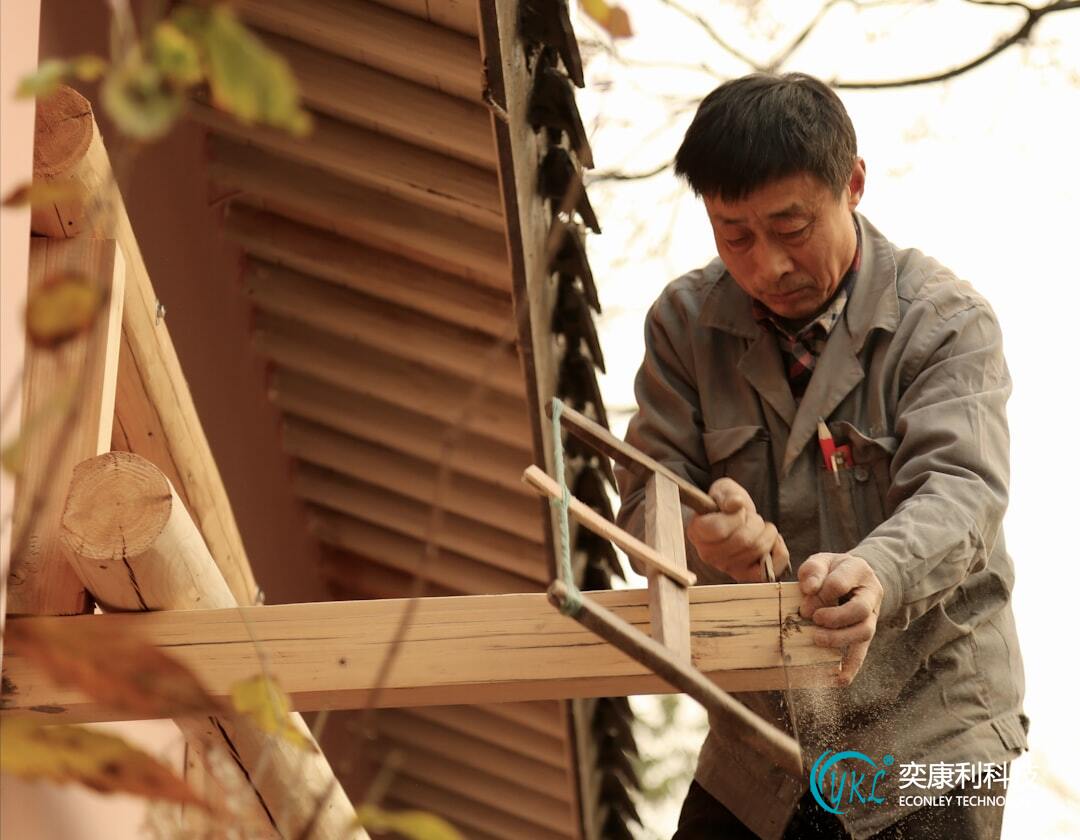
Skilled craftsmen use precision tools and techniques to create the custom handrail. Attention to detail during this stage ensures that the handrail meets the exact specifications and quality standards set out in the design phase.
Proper installation is critical for ensuring the handrail's safety and functionality. Professional installers assess the site to ensure the handrail is securely mounted and complies with all necessary safety standards. They also check that the handrail provides the intended support and accessibility.
Investing in a custom-made accessible handrail offers numerous benefits that go beyond just meeting accessibility standards.
Custom handrails are designed with the user in mind, offering a personalized experience that standard options cannot. They provide the right support and comfort for individuals, enhancing their independence and confidence in navigating spaces.
A well-designed handrail can enhance the visual appeal of a space. By customizing the design, you can ensure the handrail complements the architecture and interior design, adding to the overall aesthetic rather than detracting from it.
While the initial investment in a custom handrail might be higher than off-the-shelf options, the long-term benefits often outweigh the costs. Custom handrails are typically more durable and better suited to the specific needs of the space, reducing the likelihood of needing replacements or repairs.
Custom-made accessible handrails are a vital component in creating inclusive, functional, and beautiful spaces. From the initial design to the final installation, each step is crucial in ensuring the handrail meets the specific needs of its users while enhancing the overall environment. By prioritizing both accessibility and aesthetics, custom handrails provide a solution that truly stands the test of time.
Incorporating custom-made accessible handrails into your design not only adheres to necessary regulations but also demonstrates a commitment to inclusivity and care for all individuals. Whether you're designing a new space or updating an existing one, consider the profound impact that well-designed handrails can have on accessibility and user experience.
 Tel :13510328459
 Email :493432861@qq.com
 Phone :0755-82154850/25907050
 Add:205-206, 2nd Floor, Building 2, Xiazao Village Industrial Zone, Gaofeng Community, Dalang Street, Longhua District, Shenzhen City

About

Products
Cases
News
Contact
 493432861@qq.com