Service Hotline:13510328459
 205-206, 2nd Floor, Building 2, Xiazao Village Industrial Zone, Gaofeng Community, Dalang Street, Longhua District, Shenzhen City
Service Hotline:13510328459
205-206, 2nd Floor, Building 2, Xiazao Village Industrial Zone, Gaofeng Community, Dalang Street, Longhua District, Shenzhen City



Time:2025-09-19 Preview:
When it comes to designing medical facilities, one of the most crucial elements to consider is accessibility. Handrails are a fundamental part of this, providing safety and support for patients and staff alike. In this article, we will explore foreign medical handrail design pictures, highlighting the diversity and innovation in accessible handrail design around the world.
Handrails in medical facilities serve multiple purposes. They provide essential support for patients with mobility challenges and can assist in preventing accidents and falls. Furthermore, well-designed handrails can help guide patients through complex hospital layouts, ensuring a seamless flow of movement throughout the facility.
Handrails are critical for patient safety, especially in areas where wet or slippery floors are common, such as bathrooms and kitchens. They offer stability for those who may have balance issues, ensuring patients can move independently and safely.
Hospitals can be overwhelming with their large, intricate layouts. Handrails can serve as a guide, helping patients and visitors navigate these spaces more easily. Well-placed handrails can lead the way, reducing confusion and anxiety.
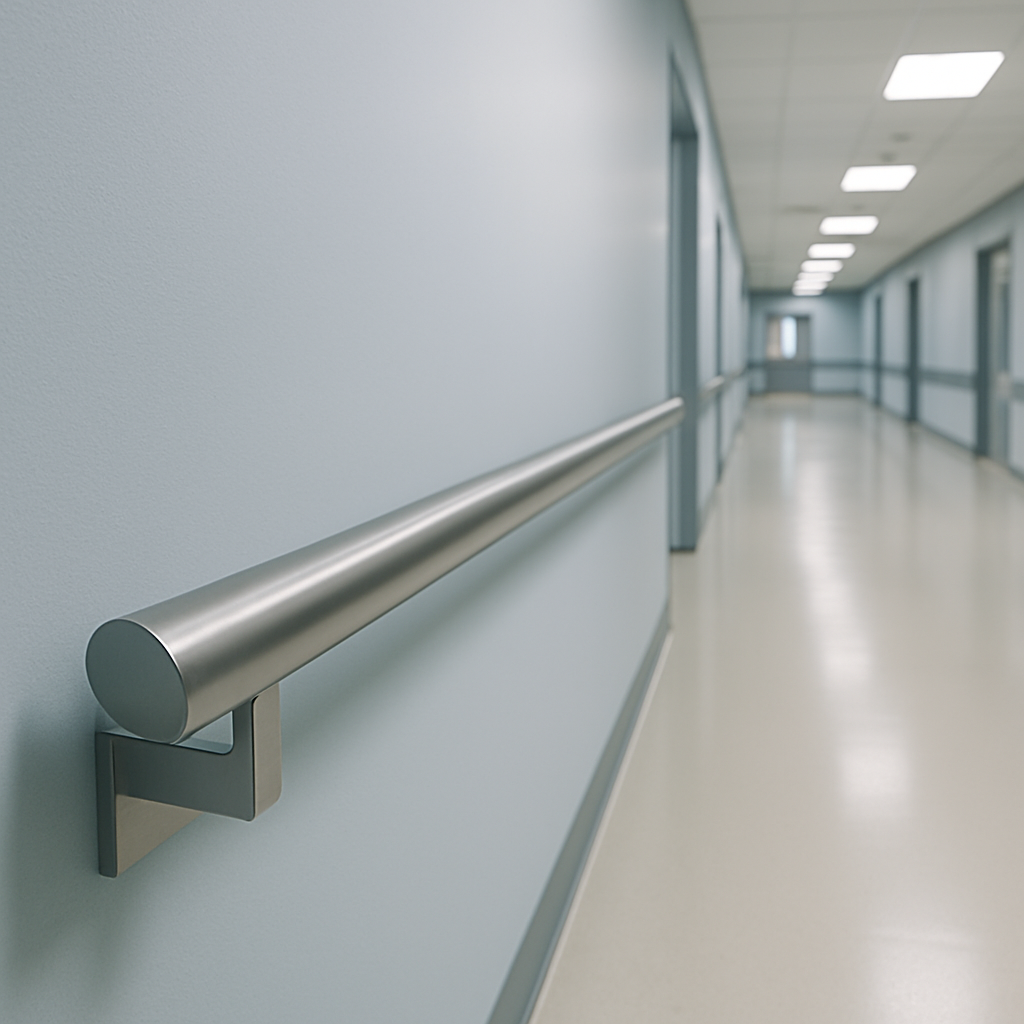
Different countries have unique approaches to medical handrail design, often influenced by cultural preferences and local regulations. Let's take a closer look at some of the most innovative designs from across the globe.
Scandinavian countries are renowned for their minimalist design approach, and this extends to their medical facilities. Handrails here are often sleek and unobtrusive, blending seamlessly with the environment while providing robust support.
In Japan, attention to detail is paramount. Medical handrails are designed with precision, often incorporating advanced materials and technology. Some designs even feature antibacterial surfaces to enhance hygiene in hospital settings.
Germany is known for its engineering prowess, and this is evident in their handrail designs. German handrails often feature modular designs that can be easily adjusted or expanded as needed, providing flexibility and durability.
In the United States, innovation in handrail design is driven by a focus on accessibility and compliance with the Americans with Disabilities Act (ADA). This has led to the development of handrails that are not only functional but also aesthetically pleasing.
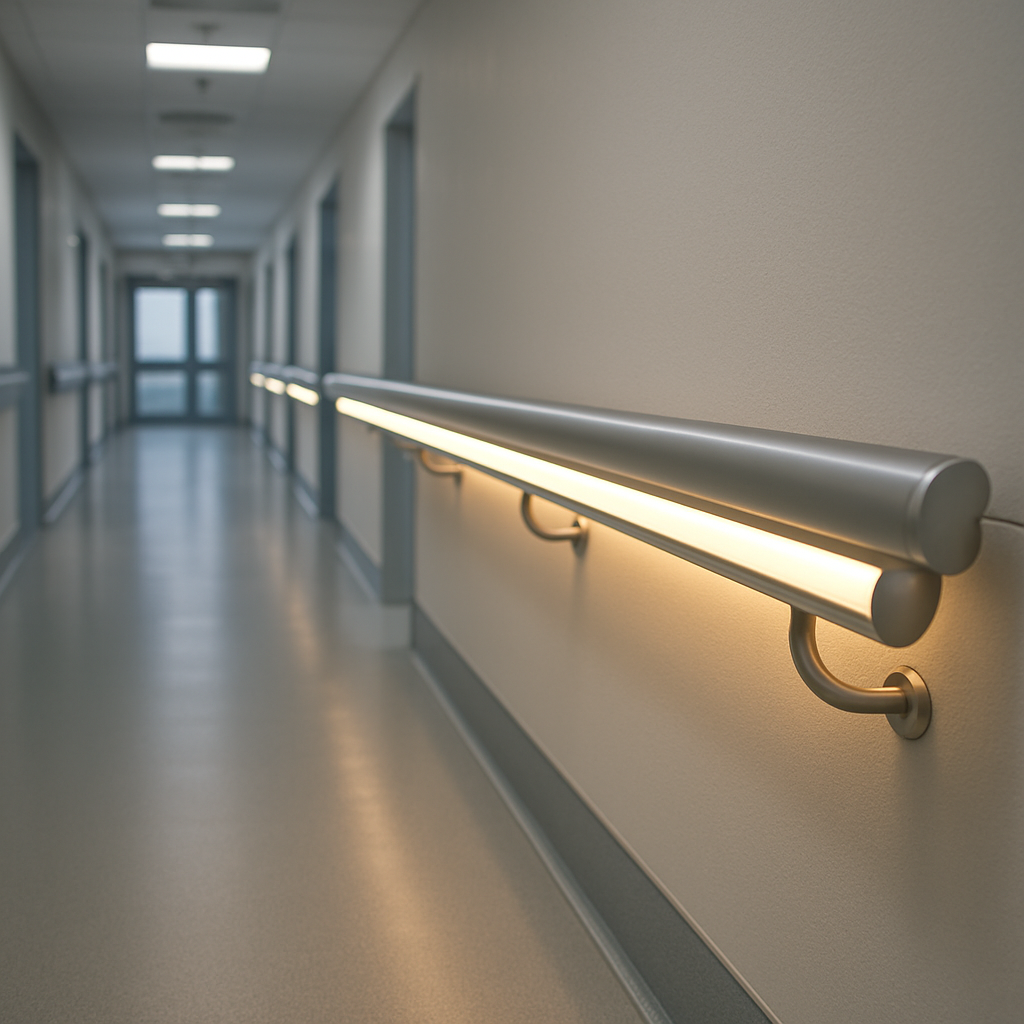
To ensure that handrails are truly accessible, several key features must be considered:
Handrails should be easy to grip and comfortable to use. This often involves designing handrails with a circular or oval cross-section that fits comfortably in the hand.
The height of the handrail is crucial for accessibility. It should be positioned at a height that is reachable for individuals of varying heights and those using mobility aids such as wheelchairs.
Handrails need to withstand frequent use and potential impact. Materials such as stainless steel, aluminum, and high-quality plastics are commonly used for their durability and ease of maintenance.
While functionality is key, the aesthetic integration of handrails into the overall design of a facility is also important. Handrails should complement the architectural style and interior design of the medical facility.
As technology advances and the needs of medical facilities evolve, handrail design is also undergoing significant changes. Here are some future trends to watch:
The integration of smart technology into handrails is becoming more common. Features such as sensors that detect falls, LED lighting for better visibility, and even handrails that can monitor patient vitals are on the horizon.
With a growing emphasis on sustainability, the use of eco-friendly materials in handrail design is becoming more prevalent. Recycled metals and biodegradable plastics are being explored as viable options.
The demand for customizable handrail designs is increasing, allowing facilities to tailor handrails to specific needs or branding requirements. This includes choosing colors, textures, and patterns that align with the facility's identity.
Foreign medical handrail design pictures showcase a wide array of creative and functional solutions that enhance the safety and accessibility of medical facilities. By understanding the importance of handrail design and exploring innovative examples from around the world, we can gain insights into how to improve our own facilities. Whether through the use of advanced materials, ergonomic design, or smart technology, the future of handrail design promises to be both exciting and transformative.
 Tel :13510328459
 Email :493432861@qq.com
 Phone :0755-82154850/25907050
 Add:205-206, 2nd Floor, Building 2, Xiazao Village Industrial Zone, Gaofeng Community, Dalang Street, Longhua District, Shenzhen City

About

Products
Cases
News
Contact
 493432861@qq.com