Service Hotline:13510328459
 205-206, 2nd Floor, Building 2, Xiazao Village Industrial Zone, Gaofeng Community, Dalang Street, Longhua District, Shenzhen City
Service Hotline:13510328459
205-206, 2nd Floor, Building 2, Xiazao Village Industrial Zone, Gaofeng Community, Dalang Street, Longhua District, Shenzhen City



Time:2025-09-12 Preview:
Designing a nursing home involves many considerations to ensure the safety and comfort of its residents. One often overlooked yet crucial aspect of nursing home design is the installation of handrails. Handrails provide essential support and stability for the elderly, helping to prevent falls and promote independence. In this article, we’ll explore the importance of nursing home handrails, the factors to consider in their design and installation, and how they contribute to the overall safety and functionality of a nursing home environment.
Handrails are a key component in creating a safe and accessible environment for nursing home residents. As people age, their balance and mobility can decline, increasing the risk of falls and injuries. Handrails offer the support needed to navigate hallways, bathrooms, and other areas of a nursing home safely.
Falls are a common concern in nursing homes, and they can lead to serious injuries. Handrails provide a sturdy support system that residents can rely on to maintain their balance. By installing handrails throughout the facility, nursing homes can significantly reduce the risk of falls and related injuries.
For many elderly individuals, maintaining a sense of independence is important for their overall well-being. Handrails empower residents to move about the facility with confidence, reducing the need for constant supervision or assistance. This promotes a sense of autonomy and dignity among residents.
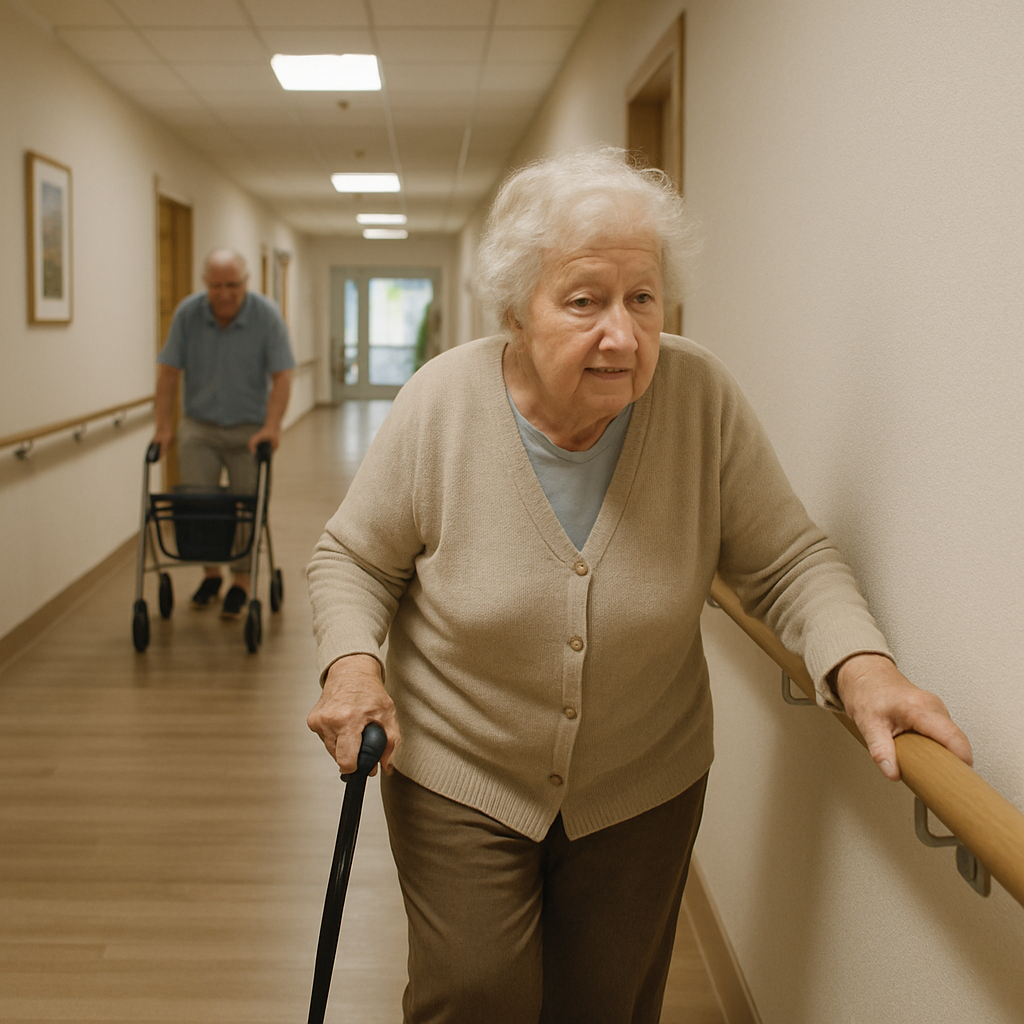
When planning the installation of handrails in a nursing home, several factors must be taken into account to ensure they meet the needs of the residents and comply with safety standards.
Handrails should be made from durable, easy-to-clean materials that can withstand frequent use. Common materials include stainless steel, wood, and vinyl. Each material has its own benefits and drawbacks, so it's important to choose one that fits the specific needs of the facility.
Stainless Steel: Known for its durability and low maintenance, stainless steel is a popular choice for handrails. It’s resistant to corrosion and can be easily cleaned, making it ideal for high-traffic areas.
Wood: Wooden handrails offer a warm, natural look that can complement the interior design of a nursing home. However, they require regular maintenance to prevent wear and tear.
Vinyl: Vinyl handrails are cost-effective and available in a variety of colors and styles. They are easy to clean and maintain, but may not be as durable as stainless steel or wood.
The design of the handrails should be ergonomic to ensure comfort and ease of use for residents. Handrails should have a comfortable grip and be installed at an appropriate height to accommodate the average reach of residents. The ends of the handrails should be rounded or returned to the wall to prevent clothing from catching.
It’s essential to adhere to local building codes and safety regulations when installing handrails in a nursing home. These standards ensure that handrails are installed correctly and provide the necessary support for residents. Working with a professional contractor who is familiar with these regulations can help ensure compliance.
Handrails should be strategically placed in areas where residents are most at risk of falling, such as hallways, bathrooms, and staircases. In bathrooms, handrails should be installed near toilets and showers to assist with sitting and standing. In hallways, continuous handrails can provide uninterrupted support as residents move throughout the facility.
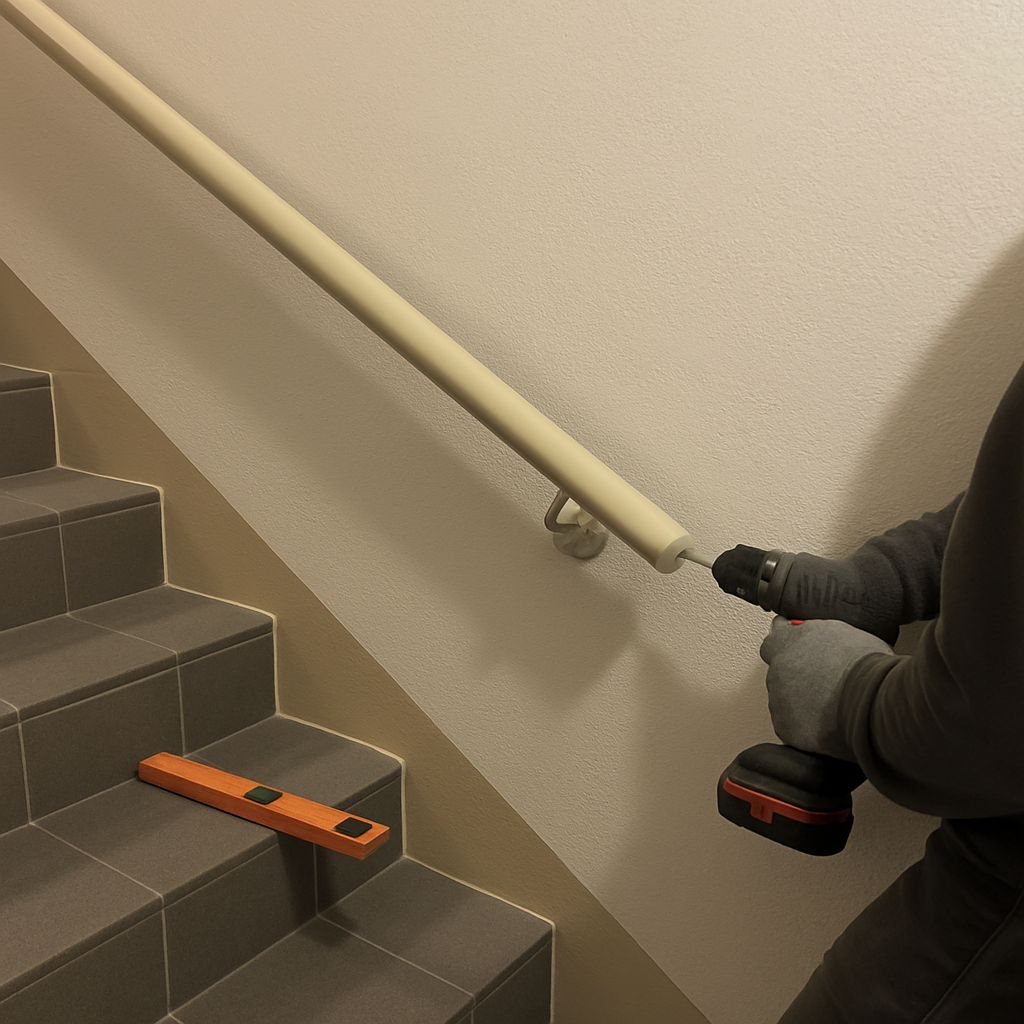
Installing handrails correctly in a nursing home environment offers numerous benefits for both residents and staff.
With the proper installation of handrails, nursing homes can create a safe and accessible environment for all residents. This reduces the likelihood of accidents and injuries, leading to a higher quality of life for residents.
Knowing that they have the support of sturdy handrails, residents can move around the facility with greater confidence and independence. This can improve their overall mood and mental health, as they feel more in control of their environment.
Handrails can also ease the workload of nursing home staff. With residents able to navigate the facility more independently, staff can focus their attention on other important tasks, improving the overall efficiency of the facility.
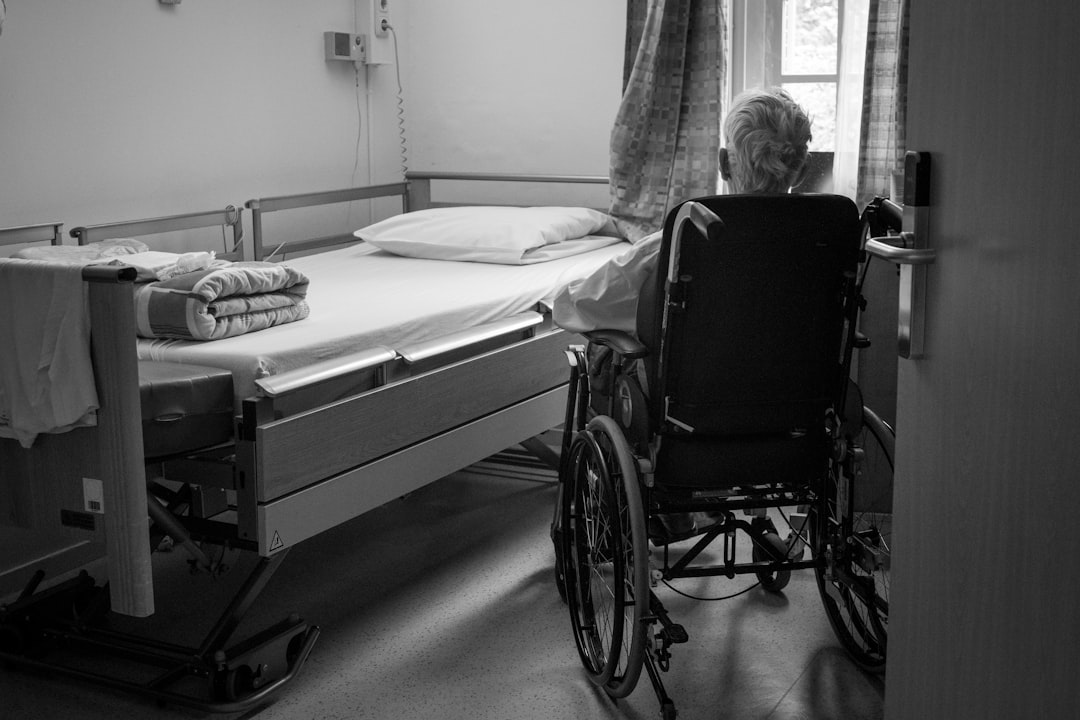
Incorporating handrails into the design of a nursing home is an essential step in creating a safe, functional, and welcoming environment for residents. By choosing the right materials, ensuring ergonomic design, and complying with safety standards, nursing homes can provide residents with the support they need to live safely and independently. Properly installed handrails not only enhance resident safety but also contribute to their overall quality of life, making them an indispensable element of nursing home design.
 Tel :13510328459
 Email :493432861@qq.com
 Phone :0755-82154850/25907050
 Add:205-206, 2nd Floor, Building 2, Xiazao Village Industrial Zone, Gaofeng Community, Dalang Street, Longhua District, Shenzhen City

About

Products
Cases
News
Contact
 493432861@qq.com