Service Hotline:13510328459
 205-206, 2nd Floor, Building 2, Xiazao Village Industrial Zone, Gaofeng Community, Dalang Street, Longhua District, Shenzhen City
Service Hotline:13510328459
205-206, 2nd Floor, Building 2, Xiazao Village Industrial Zone, Gaofeng Community, Dalang Street, Longhua District, Shenzhen City



Time:2025-12-01 Preview:
For healthcare facilities and senior care centers selecting hidden track systems, understanding the physical quality and functional details of the product is critical to ensuring safety, durability, and long-term performance. Hidden Track Physical Detail Images emerge as a vital visual resource, capturing fine-grained details of hidden tracks—from surface textures and connection structures to curtain hanging mechanisms and integration interfaces with other infrastructure. Unlike generic product photos, these detail images provide an up-close view of the track’s craftsmanship and design, enabling facility managers, designers, and procurement teams to make informed judgments. When paired with core healthcare products such as hospital handrails, nursing home handrails, anti-microbial curtains, and custom anti-microbial panels, Hidden Track Physical Detail Images help verify compatibility and synergy, laying a solid foundation for safe and efficient facility operations.
The core value of Hidden Track Physical Detail Images lies in their ability to reveal quality and functionality that are difficult to convey through text descriptions. These images clearly show key details such as the smoothness of the track’s inner sliding surface—a critical factor affecting curtain operation fluency and noise levels in quiet healthcare environments. They also showcase the sturdiness of connection joints, helping teams assess whether the track can withstand frequent use and heavy curtain weights without deformation. For hidden tracks designed for healthcare settings, physical detail images highlight anti-corrosion and anti-bacterial surface treatments, providing visual evidence of compliance with infection control standards. By unveiling these subtle yet crucial details, Hidden Track Physical Detail Images allow facilities to distinguish high-quality products from inferior ones, avoiding the risk of selecting tracks that fail to meet clinical environment requirements.
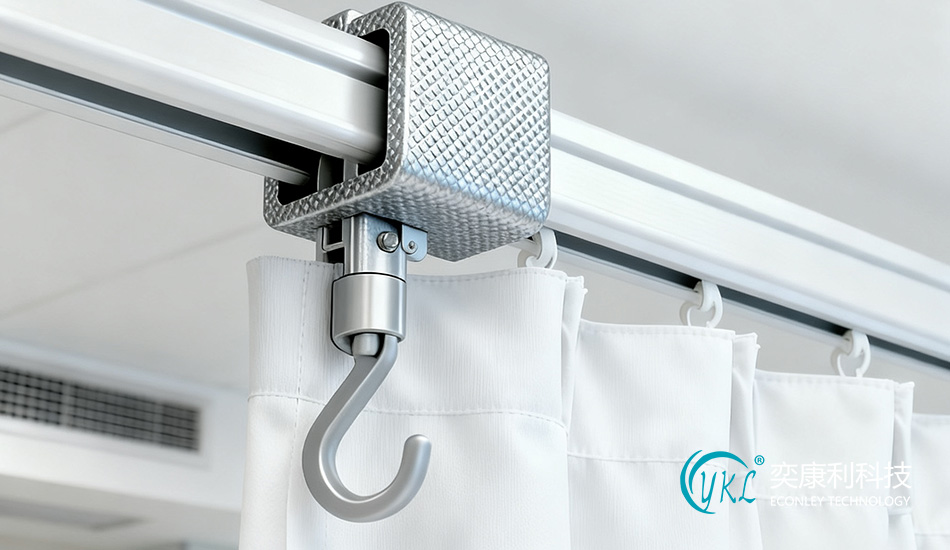
Selecting the right hidden track requires matching product details to specific facility needs, and Hidden Track Physical Detail Images significantly improve the accuracy of this process. For example, in narrow hospital corridors or small senior care rooms, detail images can show the track’s thickness and installation profile, helping teams confirm that it will not occupy excessive space or obstruct pathways for wheelchairs and walkers. In areas requiring strict hygiene control (such as operating rooms or isolation wards), images of seamless track designs and easy-to-clean surfaces help verify compliance with disinfection protocols. For facilities planning to integrate tracks with existing handrails, Hidden Track Physical Detail Images display interface details, ensuring a seamless fit between hidden tracks and hospital or nursing home handrails. This targeted visual reference eliminates guesswork in selection, ensuring the chosen track aligns perfectly with spatial constraints and functional demands.
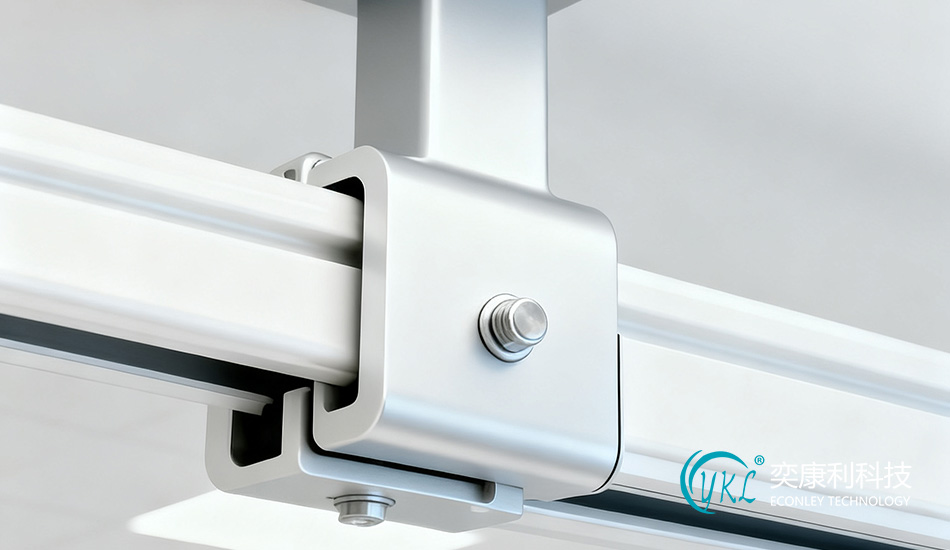
Smooth installation of hidden tracks relies on thorough preparation, and Hidden Track Physical Detail Images play a key guiding role in this phase. Contractors can use these images to familiarize themselves with installation details, such as the position of mounting holes, the type of fixing accessories, and the method of track splicing—reducing on-site errors and rework. For retrofitting projects in existing facilities, detail images help assess whether the track can be installed without damaging existing structures (such as walls, ceilings, or handrails). They also showcase how to integrate the track with other infrastructure, such as aligning it with anti-microbial panels to create a seamless, hygienic environment. By providing clear visual installation guidance, Hidden Track Physical Detail Images accelerate the installation process, minimize disruption to facility operations, and ensure the final installation meets safety and quality standards.

Healthcare and senior care facilities operate under strict regulatory frameworks, and Hidden Track Physical Detail Images provide valuable support for compliance and quality assurance. These images can be included in project documentation to demonstrate that the selected hidden track meets industry standards, such as ADA accessibility requirements and infection control guidelines. During audits or accreditation processes, physical detail images serve as tangible evidence of the track’s quality and compliance, helping facilities avoid penalties or reputational damage. For maintenance and quality control teams, the images act as a reference standard, enabling them to inspect whether in-service tracks remain consistent with the original quality and design over time. This documentation and verification function makes Hidden Track Physical Detail Images an indispensable tool for long-term facility compliance.
The selection and installation of hidden tracks involve collaboration across multiple teams—including clinical staff, facility managers, designers, and contractors—and Hidden Track Physical Detail Images serve as a universal visual language. Clinical staff can reference detail images to provide input on how track details (such as quiet operation and smooth curtain movement) impact patient care workflows. Designers use the images to ensure the track’s physical details align with the facility’s aesthetic and functional design goals. Contractors rely on the images to clarify technical requirements, while procurement teams use them to communicate quality standards with suppliers. This shared visual resource ensures all teams have a consistent understanding of the product, reducing communication barriers, fostering consensus, and accelerating project progress.
Key Criteria for Evaluating Effective Hidden Track Physical Detail Images
To maximize the value of Hidden Track Physical Detail Images, facilities should evaluate them based on three key criteria: clarity, relevance, and comprehensiveness. Clear images with high resolution ensure that fine details (such as surface textures and joint structures) are easily distinguishable. Relevant images should target details that matter to the facility’s specific needs—for example, anti-corrosion details for humid environments or interface details for integration with handrails. Comprehensive images should cover all critical parts of the track, including sliding surfaces, connection joints, installation interfaces, and curtain hanging mechanisms. Avoiding overly staged or cropped images ensures authenticity, as accurate visual representation is essential for making reliable quality and selection judgments.
In conclusion, Hidden Track Physical Detail Images are a critical resource for healthcare and senior care facilities navigating the selection, installation, and maintenance of hidden track systems. Their ability to unveil product quality, enhance selection accuracy, guide installation, support compliance, and facilitate collaboration makes them indispensable for modern facility management. By leveraging these detailed visual references, facilities can ensure that the hidden tracks they select are not only safe, durable, and compliant but also perfectly aligned with their unique spatial and functional needs. For any facility committed to delivering high-quality care through reliable infrastructure, Hidden Track Physical Detail Images are an investment that drives long-term operational excellence and peace of mind.
 Tel :13510328459
 Email :493432861@qq.com
 Phone :0755-82154850/25907050
 Add:205-206, 2nd Floor, Building 2, Xiazao Village Industrial Zone, Gaofeng Community, Dalang Street, Longhua District, Shenzhen City

About

Products
Cases
News
Contact
 493432861@qq.com