Service Hotline:13510328459
 205-206, 2nd Floor, Building 2, Xiazao Village Industrial Zone, Gaofeng Community, Dalang Street, Longhua District, Shenzhen City
Service Hotline:13510328459
205-206, 2nd Floor, Building 2, Xiazao Village Industrial Zone, Gaofeng Community, Dalang Street, Longhua District, Shenzhen City



Time:2026-01-09 Preview:
In healthcare settings, safety and accessibility are the top priorities. As hospitals and clinics strive to create environments where patients and staff can move around freely and safely, one essential feature is often overlooked — hospital handrails. These handrails are critical for improving patient mobility, preventing accidents, and enhancing overall accessibility. This article explores the top benefits of hospital handrails, with a focus on the different types available, including hospital corridor handrails, hospital bathroom grab bars, and custom accessible handrails.
Hospitals are busy environments with high foot traffic, including patients, healthcare staff, and visitors. Hospital handrails are essential for maintaining a safe and accessible space, especially for elderly patients, individuals with mobility challenges, and those recovering from surgery. Whether it’s a hospital corridor handrail along the hallways or hospital bathroom grab bars near the toilet or shower, these features play a vital role in reducing fall risks and supporting safe mobility.
One of the most common safety concerns in healthcare settings is the risk of falls. Studies have shown that falls are a leading cause of injury and hospitalization among the elderly, and they can have severe consequences, especially for patients who are already frail or recovering from medical procedures. By installing hospital corridor handrails, hospitals can provide patients with a secure and reliable source of support as they move through hallways, making it easier for them to maintain balance and prevent falls.
Hospital bathroom grab bars are another critical safety feature that reduces the risk of slipping, especially in wet environments like bathrooms. When combined with hospital accessible handrails, they form an integrated system of support that enhances patient safety across multiple areas of a hospital.
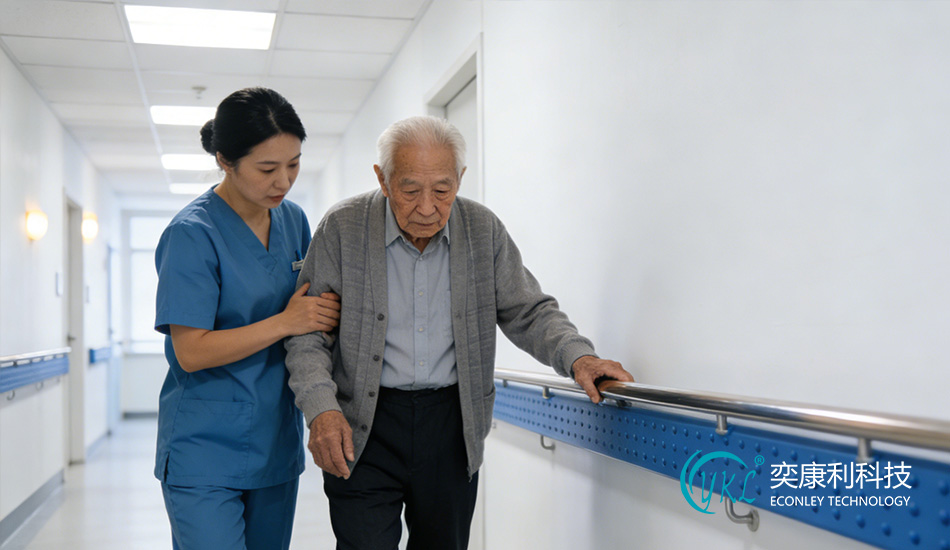
Hospitals are diverse environments that need to cater to individuals with varying levels of mobility. The installation of custom accessible handrails is essential for ensuring that all patients — from those using wheelchairs to those with temporary mobility limitations — can access areas of the hospital safely and independently.
Not all patients require the same type of support, which is where custom accessible handrails come into play. These handrails can be tailored to meet the specific needs of individual patients or specific hospital areas. For instance, hospital corridor handrails might need to be positioned at different heights for easy grip by both standing patients and those in wheelchairs. Custom accessible handrails can also be designed to integrate with the hospital’s interior decor, creating a more aesthetically pleasing environment while maintaining functionality.
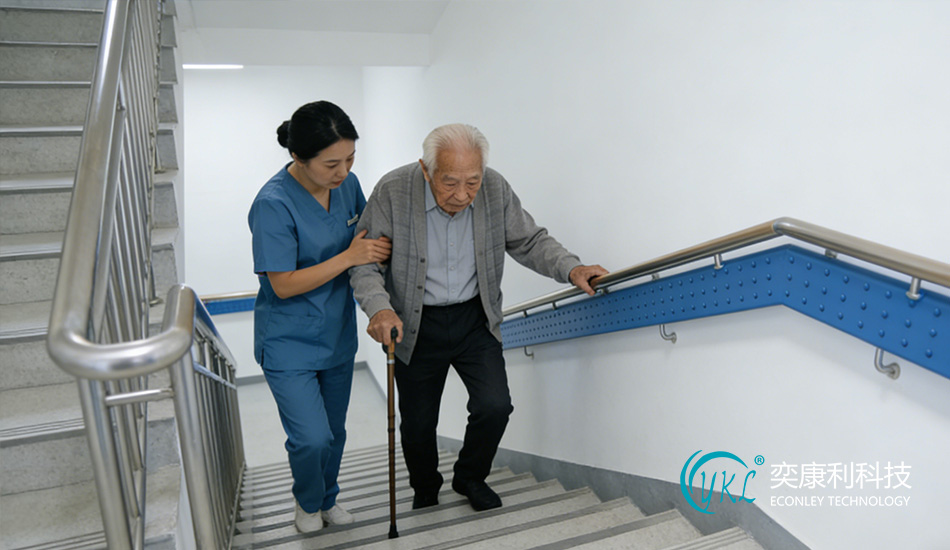
In addition to corridors, hospital handrails can be installed in areas such as stairways, patient rooms, and waiting areas, ensuring that every patient and visitor has access to a secure support system whenever needed.
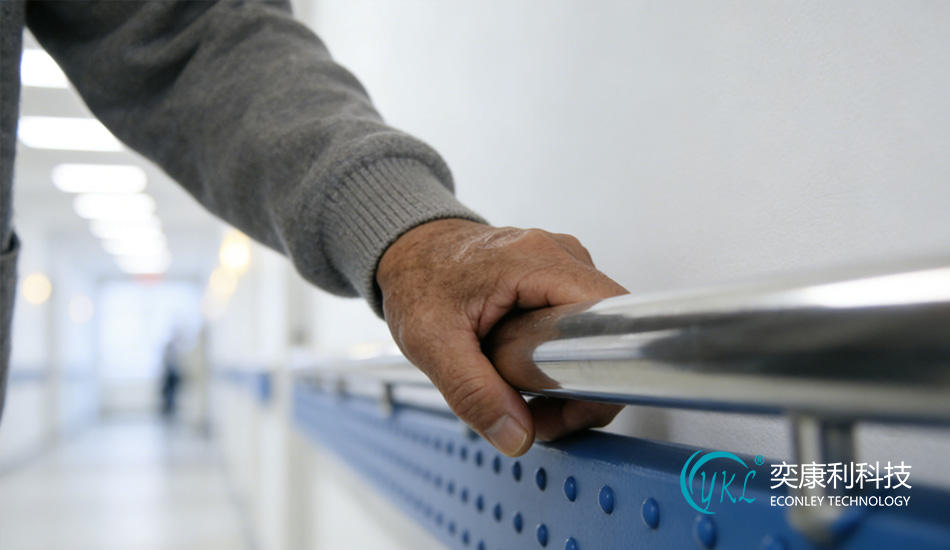
Hospital handrails aren’t just beneficial for patients; they also support hospital staff by improving workplace safety. Nurses and other healthcare workers often assist patients with walking, transferring, and mobilizing. Having a reliable handrail system in place ensures that staff members can provide care with more confidence, minimizing the risk of injury to both staff and patients.
Hospital corridor handrails serve a dual purpose: not only do they help patients move safely, but they also streamline patient flow in large healthcare facilities. Hallways can often become crowded and difficult to navigate, especially in busy hospitals. With hospital handrails in place, patients can move more easily through the corridors, reducing congestion and making it easier for staff to provide care efficiently.
By adding hospital handrails to these high-traffic areas, healthcare facilities can ensure that patients remain safe while improving the overall workflow within the hospital. This increased efficiency contributes to better patient care and faster response times in critical situations.
In healthcare settings, hygiene is of the utmost importance. Hospital handrails, especially in areas such as bathrooms, patient rooms, and high-traffic corridors, are frequently touched by patients and staff. Choosing the right materials for handrails is essential to prevent the spread of infections and maintain cleanliness.
Many hospital handrails are made from antimicrobial materials or designed with coatings that help prevent the growth of bacteria. These materials are resistant to corrosion, easy to clean, and durable enough to withstand the rigors of daily use in busy healthcare environments. Whether it’s a hospital bathroom grab bar or a hospital corridor handrail, these handrails are designed to promote infection control by ensuring that they remain free of harmful pathogens that could affect patient health.
By selecting high-quality, easy-to-maintain handrails, hospitals can reduce the risk of cross-contamination and create safer, more hygienic spaces for both patients and healthcare staff.
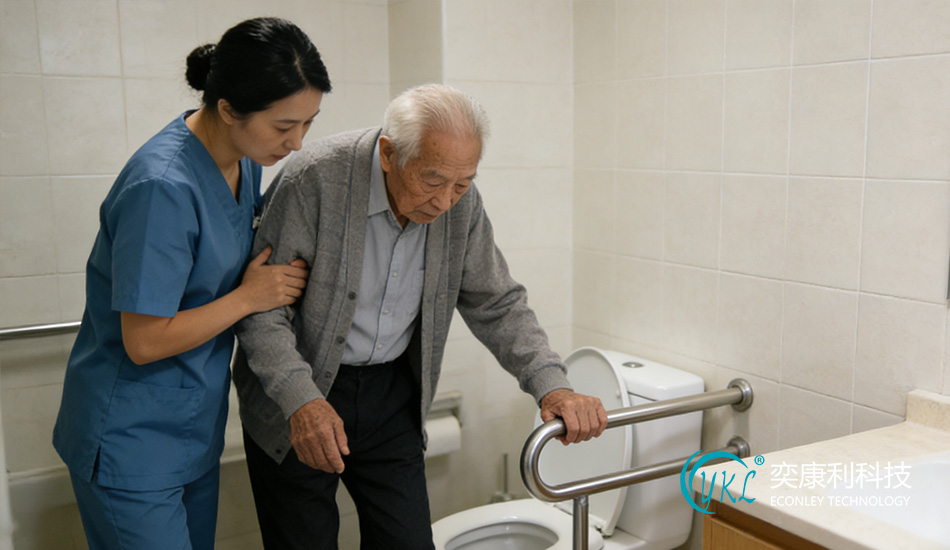
In addition to their functional benefits, hospital handrails also contribute to overall patient satisfaction. For patients who are concerned about their safety, the presence of reliable handrails gives them peace of mind and enhances their overall comfort. Knowing that they can move around with the support of hospital corridor handrails or hospital bathroom grab bars reduces anxiety and fosters a sense of independence.
Modern hospital handrails don’t have to be purely functional; they can also be aesthetically pleasing. Hospitals can choose handrails that blend seamlessly with the facility’s design, ensuring that they not only serve their purpose but also contribute to a calm, welcoming environment. This is especially important in areas such as patient rooms or waiting areas, where creating a positive and calming atmosphere is essential for patient recovery and comfort.
Hospital handrails are essential for providing a safe, accessible, and comfortable environment for patients, healthcare staff, and visitors. From hospital corridor handrails to hospital bathroom grab bars and custom accessible handrails, these features play a crucial role in improving patient mobility, preventing falls, and enhancing the overall safety of healthcare environments.
Investing in high-quality, durable hospital handrails is an investment in patient safety, staff efficiency, and the overall quality of care. Whether in a busy emergency room or a calm patient room, these simple yet vital safety features ensure that everyone in the healthcare setting has the support they need to move confidently and securely.
Hospital handrails provide essential support for patients, helping prevent falls and improving mobility. They also enhance accessibility and safety in high-traffic areas like corridors and bathrooms.
Hospital corridor handrails are typically installed along hallways to assist patients as they walk through the hospital. Hospital bathroom grab bars, on the other hand, provide support in bathrooms, helping prevent slips in wet areas.
Yes, custom accessible handrails can be tailored to fit specific areas of the hospital, ensuring they meet the needs of patients and complement the facility’s design.
Hospital handrails support healthcare staff by providing a safe means of assisting patients with mobility, reducing the risk of injury to both staff and patients.
Many hospital handrails are made from antimicrobial materials or have special coatings that help prevent bacterial growth, promoting hygiene and reducing the risk of cross-contamination in healthcare settings.
 Tel :13510328459
 Email :493432861@qq.com
 Phone :0755-82154850/25907050
 Add:205-206, 2nd Floor, Building 2, Xiazao Village Industrial Zone, Gaofeng Community, Dalang Street, Longhua District, Shenzhen City

About

Products
Cases
News
Contact
 493432861@qq.com