Service Hotline:13510328459
 205-206, 2nd Floor, Building 2, Xiazao Village Industrial Zone, Gaofeng Community, Dalang Street, Longhua District, Shenzhen City
Service Hotline:13510328459
205-206, 2nd Floor, Building 2, Xiazao Village Industrial Zone, Gaofeng Community, Dalang Street, Longhua District, Shenzhen City



Time:2026-01-07 Preview:
In healthcare environments, patient privacy is paramount, not only for ensuring comfort and dignity but also for maintaining safety and compliance with healthcare standards. One of the most effective ways to safeguard patient privacy is through the use of medical curtains. These specialized curtains, commonly found in hospitals, clinics, and other healthcare settings, are essential in creating private spaces within shared areas, such as examination rooms, emergency departments, and patient wards. This article delves into why medical curtains are so crucial for patient privacy and the various types available to healthcare facilities.
Healthcare facilities are often busy, high-traffic areas where patients may need to undergo treatments, exams, or recovery in close proximity to other individuals. Whether it’s a hospital ward, emergency room, or a clinic, patient privacy curtains medical are used to divide spaces and provide a sense of security and confidentiality for patients. By creating individual zones within larger rooms or areas, these curtains help prevent unwanted exposure and ensure that medical staff can provide care discreetly.
One of the primary roles of medical privacy curtains is to protect the dignity of patients. In a hospital, privacy can be compromised if patients are exposed to others during examinations or while changing clothes. Privacy curtains, whether used in shared patient rooms or cubicles, help shield patients from view while allowing healthcare providers to administer care. This simple solution goes a long way in making patients feel more at ease, promoting a more positive hospital experience.
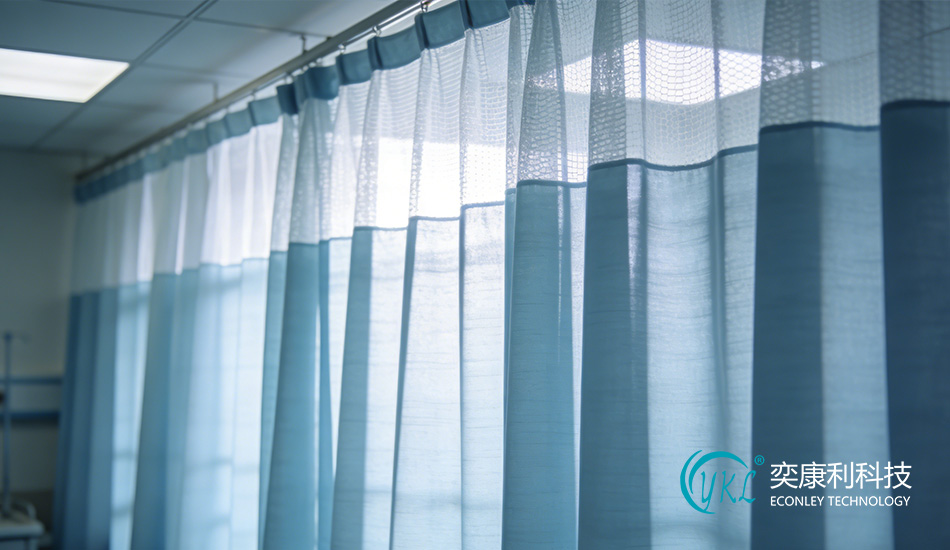
In healthcare settings, confidentiality is critical. Whether it's for a simple examination or a more involved procedure, patients expect their personal information and treatment details to remain confidential. Medical curtains and tracks provide an easy and cost-effective way to ensure this privacy. By dividing spaces and preventing unintended viewing, medical curtains allow patients to feel more secure in the knowledge that their personal health matters are not being exposed to others in the room.
Another crucial benefit of medical privacy curtains is their role in maintaining hygiene and infection control within healthcare environments. Hospital rooms are often shared by multiple patients, and the risk of cross-contamination is always a concern. Modern medical curtains are often made of antimicrobial fabrics designed to resist bacterial growth and to be easily cleaned, helping to minimize infection risks. Regular cleaning and the use of disposable liners also contribute to maintaining a safe and sanitary environment.
The use of medical curtain tracks allows healthcare providers to quickly and easily adjust or reposition curtains to fit the needs of the moment. Whether it's creating a temporary private space for a new patient or adjusting the layout of an emergency room, medical curtains and tracks offer flexibility that stationary walls or partitions cannot. This adaptability is particularly valuable in emergency or multi-use healthcare environments, where space configurations need to be changed frequently.

Medical cubicle curtains are widely used in emergency rooms, inpatient units, and outpatient clinics. These curtains are often designed to be hung from ceiling-mounted tracks, creating individual spaces for patients to receive care in a shared area. In emergency rooms, where rapid patient turnover is common, medical cubicle curtains provide an immediate and efficient solution for maintaining privacy while treating patients.
The medical curtain track system is the hardware used to suspend and move medical privacy curtains. Tracks can be installed along the ceiling, often in a straight or curved design, depending on the layout of the space. These tracks allow the curtains to be opened, closed, or adjusted quickly to create or remove barriers. The flexibility of medical curtain tracks is essential in healthcare settings where time and adaptability are of the essence.
Patient privacy curtains medical are designed with both durability and privacy in mind. These curtains are usually made from high-quality, flame-resistant, and washable fabrics to withstand frequent use and cleaning. Their primary purpose is to provide privacy for patients in shared rooms or spaces, ensuring they have a secure, personal area during treatment, rest, or consultation.
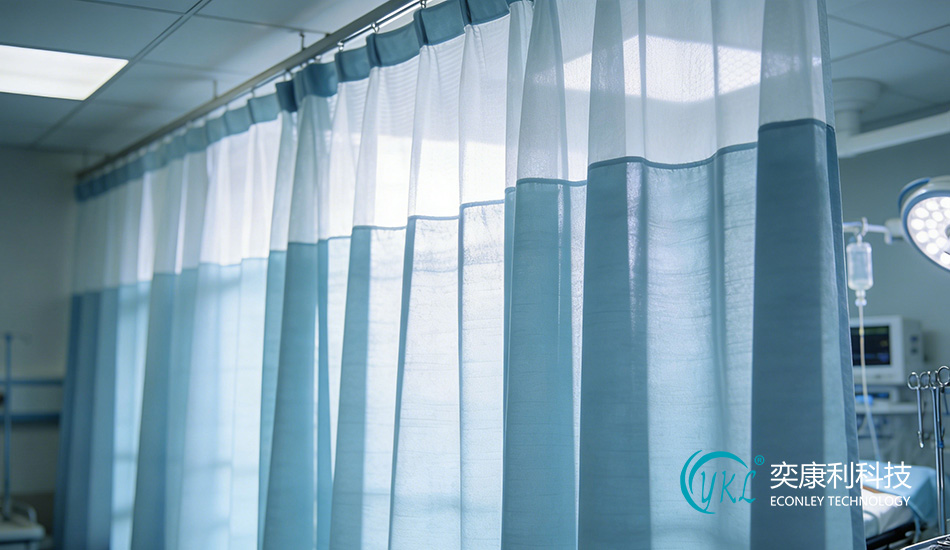
In emergency departments, where patient flow is fast and unpredictable, medical privacy curtains help optimize space and ensure that patients are given the privacy they need while maintaining efficiency. For example, medical curtain tracks allow for quick reconfiguration of treatment areas, enabling healthcare providers to adjust the layout as patient needs change. This flexibility contributes to smoother transitions and ensures that the hospital staff can manage a large volume of patients without compromising on privacy.
Healthcare institutions are increasingly focused on enhancing patient experience, and privacy plays a significant role in this. By installing medical curtains in appropriate areas, healthcare facilities not only meet safety and legal requirements but also boost patient satisfaction. A private space allows patients to feel more comfortable during procedures or while receiving care, making them more likely to have a positive perception of the hospital environment.
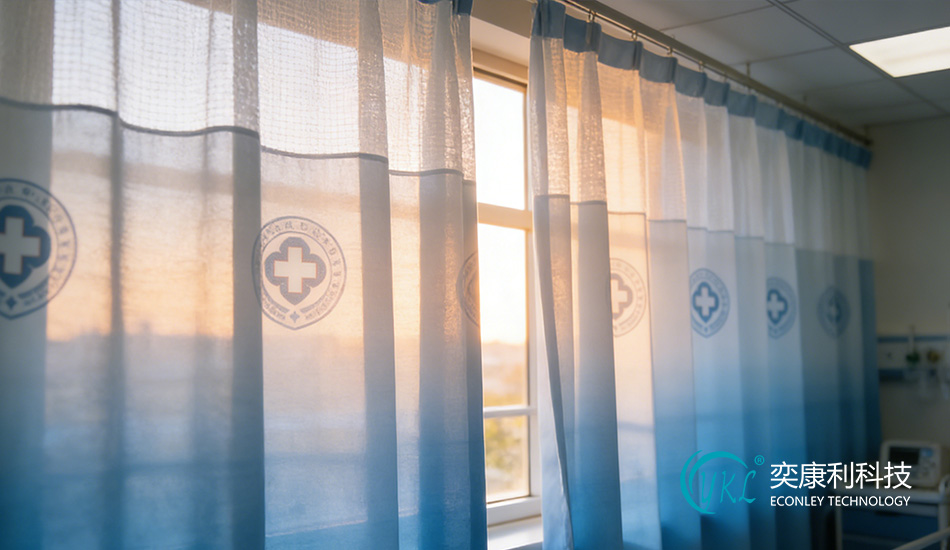
When selecting medical curtains for your healthcare facility, several factors need to be considered to ensure that the curtains meet both safety and operational requirements:
Fabric and Durability: Look for curtains made from durable, antimicrobial, and flame-resistant fabrics to ensure longevity and infection control.
Ease of Cleaning: Curtains should be easy to clean and maintain, with options for machine washing or wiping down with disinfectants.
Track System: Choose a medical curtain track system that is easy to install, secure, and can accommodate the weight and size of the curtains.
Customization: Depending on your facility's needs, you may want to consider custom sizes or colors for your medical privacy curtains to match the aesthetics of the space.
Medical curtains are essential for maintaining patient privacy, safety, and comfort in healthcare settings. Whether you're outfitting an emergency room, clinic, or hospital ward, medical privacy curtains provide the flexibility and protection needed to ensure that patients receive care in a secure and confidential environment. The combination of medical curtain tracks, antimicrobial materials, and ease of use makes these curtains a vital part of modern healthcare infrastructure.
By investing in high-quality patient privacy curtains medical and appropriate medical cubicle curtains, healthcare providers can create an environment that prioritizes both privacy and patient well-being. For a more efficient, private, and hygienic healthcare experience, consider upgrading or installing medical curtains and tracks in your facility today.
Medical privacy curtains are typically made from antimicrobial, flame-resistant, and washable fabrics to ensure privacy while also promoting hygiene and infection control.
Medical curtain tracks are specifically designed for healthcare environments and are equipped to hold heavier, fire-resistant materials, offering flexibility for easy movement and positioning of medical privacy curtains.
Medical privacy curtains should be cleaned regularly based on the facility's infection control protocols. The cleaning frequency will depend on the type of care provided, the level of patient traffic, and local regulations.
Yes, medical curtains can be customized in size, color, and design to suit the specific needs of a healthcare facility, ensuring both privacy and aesthetic integration with the environment.
Medical cubicle curtains should be installed in areas where patient privacy is required, such as in emergency rooms, inpatient wards, outpatient clinics, and consultation rooms, to provide discreet, flexible barriers between patients and staff.
 Tel :13510328459
 Email :493432861@qq.com
 Phone :0755-82154850/25907050
 Add:205-206, 2nd Floor, Building 2, Xiazao Village Industrial Zone, Gaofeng Community, Dalang Street, Longhua District, Shenzhen City

About

Products
Cases
News
Contact
 493432861@qq.com