Service Hotline:13510328459
 205-206, 2nd Floor, Building 2, Xiazao Village Industrial Zone, Gaofeng Community, Dalang Street, Longhua District, Shenzhen City
Service Hotline:13510328459
205-206, 2nd Floor, Building 2, Xiazao Village Industrial Zone, Gaofeng Community, Dalang Street, Longhua District, Shenzhen City



Time:2026-01-06 Preview:
As the elderly population continues to grow, ensuring their safety and comfort within nursing homes has become more important than ever. Handrails for elderly are a key safety feature, providing stability and support that reduce the risk of falls, increase independence, and improve overall well-being. This article will explore the benefits and considerations of installing handrails in nursing homes, and how these solutions contribute to a safer and more comfortable environment for elderly residents.
Nursing homes are designed to care for individuals with varying levels of mobility and health conditions, which makes safety a top priority. One of the most effective ways to improve safety is by installing handrails for elderly throughout the facility. These handrails offer crucial support for elderly individuals, helping them navigate common challenges such as standing up, walking, or transitioning from one area to another.
Falls are one of the most common causes of injury among the elderly, particularly in nursing homes. In fact, the Centers for Disease Control and Prevention (CDC) states that one in four adults aged 65 and older falls each year. Falls not only result in physical injuries but can also lead to emotional trauma, decreased mobility, and a diminished quality of life.
Installing handrails for elderly in hallways, bathrooms, stairways, and other high-risk areas significantly reduces the likelihood of falls. These handrails provide a steady support system for elderly individuals, helping them maintain their balance and avoid dangerous missteps. Whether it's indoor handrails for elderly in common areas or bed handrails for elderly to assist with getting in and out of bed, these safety measures are critical to promoting a secure living environment.
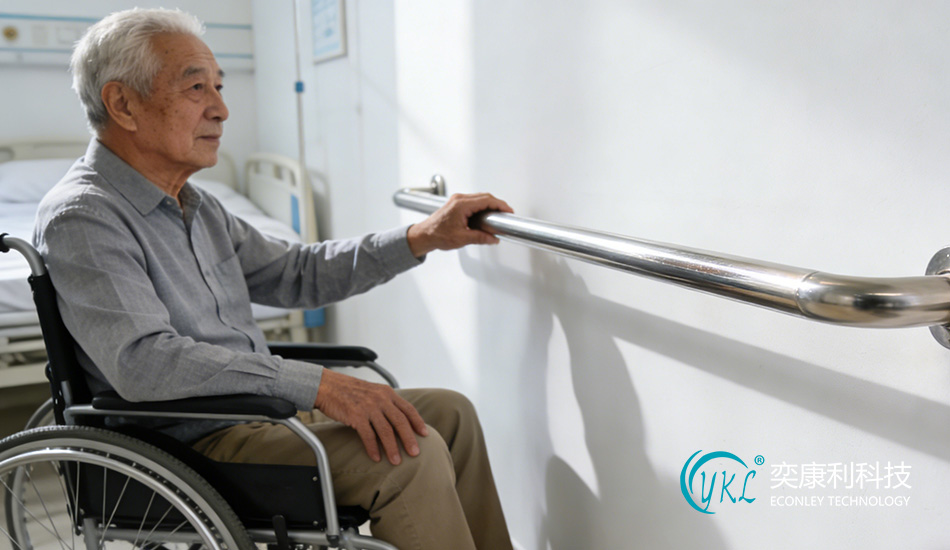
Nursing homes can benefit from a variety of handrail options, each designed to meet specific needs. Below are some of the most popular handrails that enhance safety and comfort:
A portable handrail for elderly provides flexibility and can be easily moved or relocated to suit the needs of the residents. These handrails are ideal for individuals who may require extra support in specific areas but do not need permanent fixtures. They can be placed near beds, bathrooms, or doorways, offering immediate support when needed. These portable solutions are particularly beneficial for elderly residents who may experience fluctuations in their mobility or those recovering from surgery or illness.
Bed handrails for elderly are essential for residents who struggle with getting in and out of bed, which is a common difficulty for those with limited mobility. These handrails provide the necessary assistance for patients to sit up, stand, and move around their beds safely. With the added stability of bed handrails for elderly, nursing home residents can gain confidence in performing daily activities, improving their quality of life and overall independence.
Indoor handrails for elderly are designed for use inside the nursing home, providing support in various areas such as hallways, bathrooms, and dining rooms. These handrails help elderly residents move around the facility with confidence, reducing the likelihood of slips and falls. Whether they are walking to the dining hall or using the bathroom, indoor handrails for elderly ensure that residents can navigate their environment safely and independently.
For elderly individuals who need assistance reaching higher places, a step stool with handrail for elderly provides a secure and stable solution. This type of step stool typically features a sturdy handrail that gives users extra support when stepping up or down. It’s especially useful in areas where the elderly may need to access higher shelves or cabinets, improving their ability to perform daily tasks with ease.
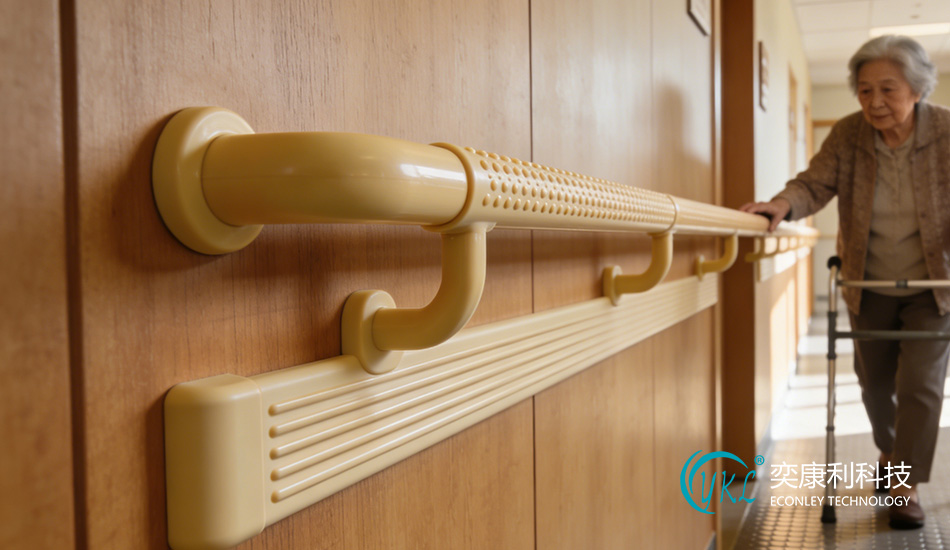
When selecting handrails for elderly residents, several factors must be considered to ensure both safety and comfort:
The height of handrails is crucial to their effectiveness. Handrails should be installed at a height that allows users to grip them comfortably, typically between 30-34 inches above the floor. The ergonomic design of the handrails should also take into account the strength and dexterity of elderly hands. Rounded edges and smooth surfaces make gripping easier, reducing strain on the hands and wrists.
The material used for handrails should be durable enough to withstand constant use and cleaning. Stainless steel, aluminum, and high-quality PVC are popular choices, as they are not only strong but also resistant to corrosion and easy to clean. Since nursing homes are environments where hygiene is paramount, handrails should be designed to minimize bacterial buildup and facilitate regular cleaning.
In addition to functionality, handrails should blend seamlessly with the interior design of the nursing home. The visual appeal of the handrails can contribute to the overall atmosphere, making the facility feel more welcoming and comfortable. By choosing handrails that complement the décor, nursing homes can create an environment that is both safe and aesthetically pleasing.
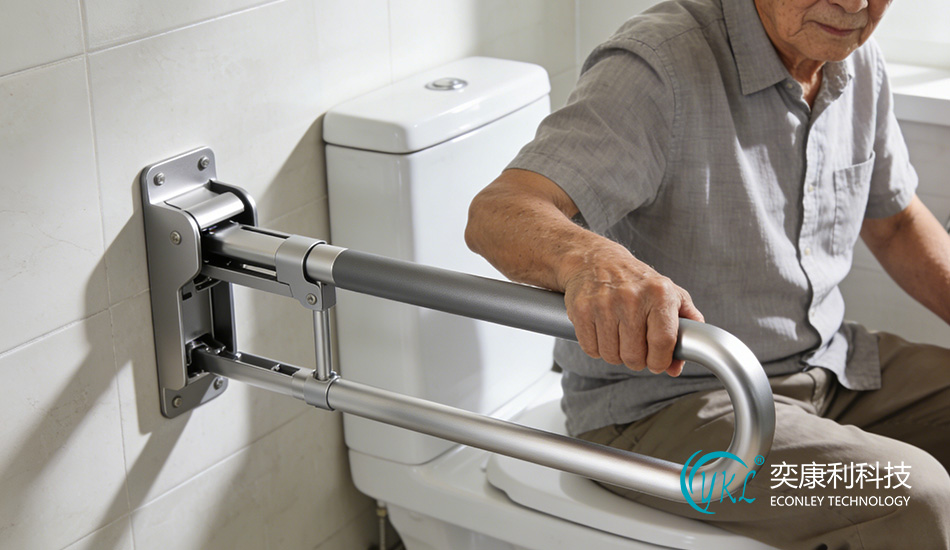
Handrails not only provide safety but also enhance the independence of elderly residents. When individuals are able to move around their environment with confidence, they are less reliant on staff assistance, which promotes a sense of autonomy. The added stability from handrails for elderly allows residents to perform daily tasks such as walking, standing up, and moving around the home more independently.
In addition, the presence of handrails for elderly can help reduce the fear of falling, which is a common concern among older adults. This peace of mind contributes to better mental health and overall well-being, allowing elderly individuals to live more active and fulfilling lives.
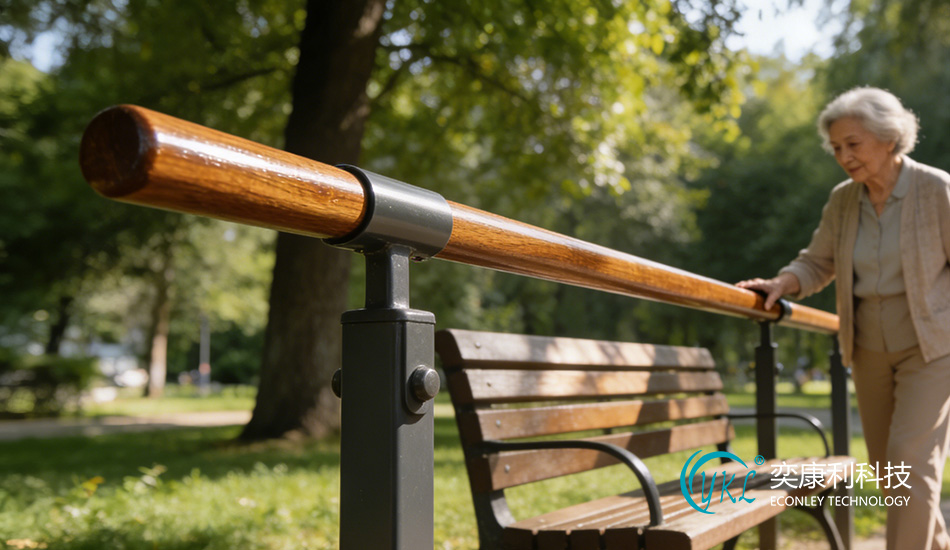
The installation of handrails for elderly in nursing homes is essential for enhancing safety, promoting independence, and improving the quality of life for residents. From bed handrails for elderly to indoor handrails for elderly and portable handrail for elderly solutions, each type plays a vital role in ensuring that elderly individuals can navigate their surroundings safely and with confidence.
Investing in the right handrail systems, carefully designed for both functionality and comfort, is one of the best ways to ensure the health and well-being of elderly residents. With proper installation and thoughtful consideration, handrails can make nursing homes safer and more accessible environments for all.
Handrails for elderly in nursing homes are essential for preventing falls, providing support during walking, and enhancing the safety of residents in high-risk areas such as hallways, bathrooms, and bedrooms. They help elderly individuals move around with greater confidence and independence.
A portable handrail for elderly offers flexibility, allowing for easy relocation to areas where extra support is needed. This type of handrail is ideal for residents who may have fluctuating mobility needs or require support in specific situations, such as near the bed or bathroom.
Bed handrails for elderly provide necessary support for getting in and out of bed safely. They help residents lift themselves, sit up, and move around their beds with ease, reducing the risk of injury and promoting independence in daily activities.
When selecting indoor handrails for elderly, consider factors such as the height and ergonomic design for comfortable gripping, material durability for long-lasting use, and ease of cleaning. These factors ensure the safety, comfort, and hygiene of the residents.
A step stool with handrail for elderly provides support for individuals who need assistance reaching higher places, such as shelves or cabinets. The handrail ensures stability while stepping up or down, making daily tasks easier and safer for elderly residents.
 Tel :13510328459
 Email :493432861@qq.com
 Phone :0755-82154850/25907050
 Add:205-206, 2nd Floor, Building 2, Xiazao Village Industrial Zone, Gaofeng Community, Dalang Street, Longhua District, Shenzhen City

About

Products
Cases
News
Contact
 493432861@qq.com