Service Hotline:13510328459
 205-206, 2nd Floor, Building 2, Xiazao Village Industrial Zone, Gaofeng Community, Dalang Street, Longhua District, Shenzhen City
Service Hotline:13510328459
205-206, 2nd Floor, Building 2, Xiazao Village Industrial Zone, Gaofeng Community, Dalang Street, Longhua District, Shenzhen City



Time:2026-01-05 Preview:
Ensuring patient safety and accessibility is a top priority for any modern healthcare facility. Among the critical infrastructure elements that contribute to these goals, the Hospital Corridor Handrail stands out as an essential component. More than just a simple support bar along a wall, a well‑designed handrail system plays a comprehensive role in navigating mobility challenges, reducing fall risks, complying with accessibility regulations, and enhancing overall facility efficiency and comfort.
Hospital corridors experience high traffic from patients, visitors, and healthcare staff. Many of these individuals include elderly patients, people with disabilities, and individuals with temporary or permanent mobility limitations. In this context, corridor handrails help ensure that every person has the stability and support they need throughout their journey within the facility.
A properly installed Hospital Corridor Handrail provides a continuous grip surface that users can rely on to maintain balance, reduce fatigue, and prevent slips or falls. Beyond support, these handrails also assist in wayfinding within long corridors and help individuals orient themselves in complex healthcare environments.
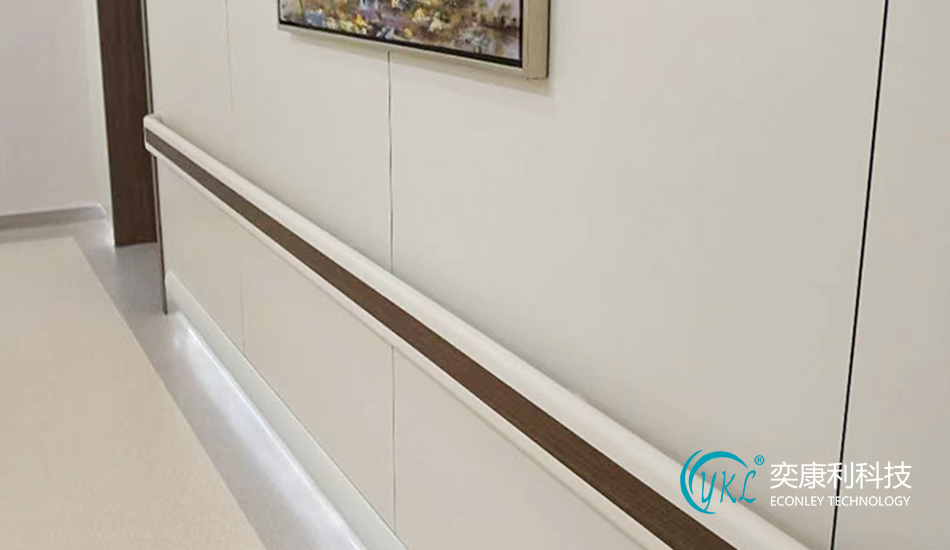
One of the primary functions of hospital corridor handrails is to minimize the risk of falls — a major concern in medical environments where patients may be weak, disoriented, or recovering from surgery. Studies indicate that corridors without adequate support can significantly increase the risk of injuries from slips or missteps.
Handrails positioned at the correct height and with ergonomic gripping surfaces help patients stabilize themselves as they walk, especially when transitioning between rooms, navigating lengthy hallways, or moving to and from treatment areas. The presence of continuous support — rather than intermittent grab points — ensures that patients are never left without assistance mid‑walk.
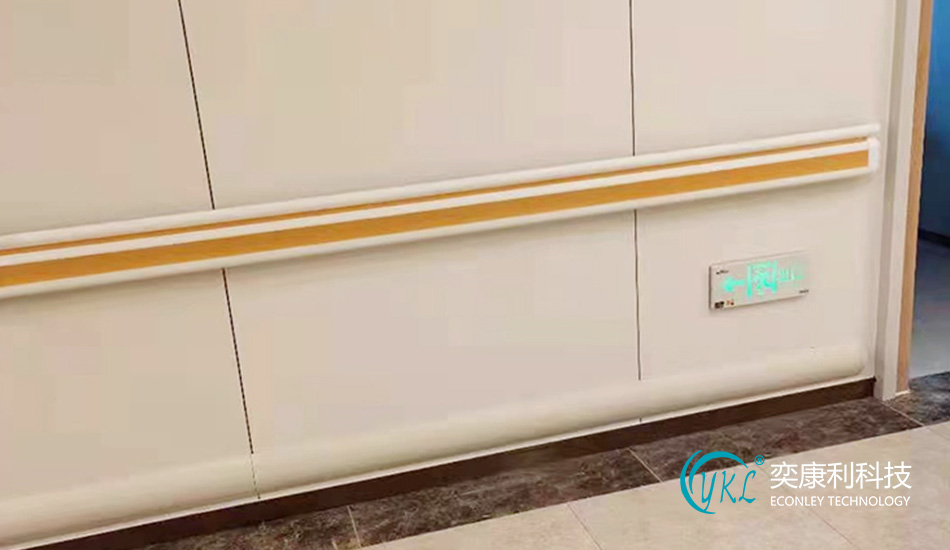
Hospitals and healthcare facilities must follow accessibility standards such as the Americans with Disabilities Act (ADA) and other regional codes. Proper handrail selection and installation ensure that facilities remain compliant and inclusive.
The Hospital Accessible Handrail system must meet specific criteria — including proper height, continuous gripping surface, secure mounting, and ADA‑compliant ends — to provide consistent support to all users. By choosing compliant solutions, facility operators not only meet regulatory requirements but also enhance the dignity and independence of patients with mobility challenges.
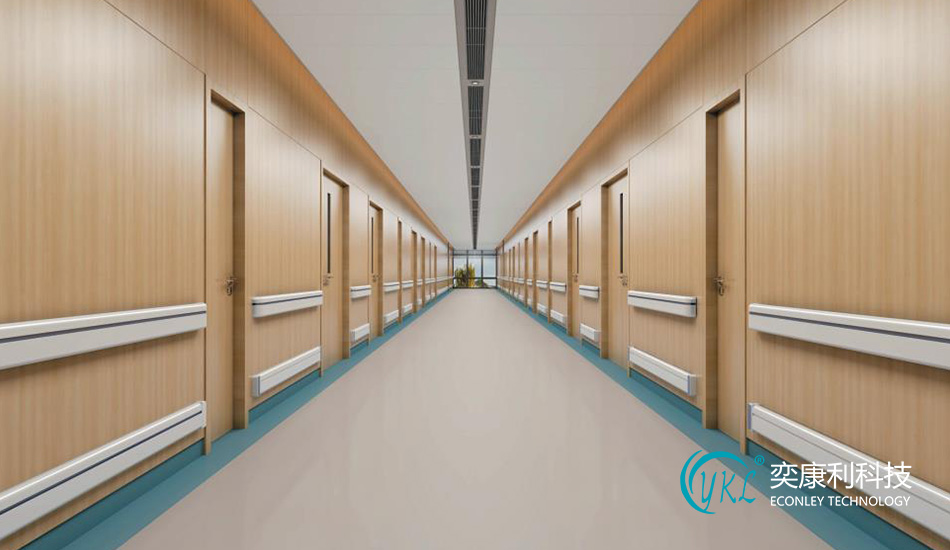
Every healthcare facility has unique architectural characteristics and user demands. This is why Custom Corridor Handrail solutions are becoming increasingly important. Custom‑designed handrails can be adapted for specific corridor widths, traffic loads, color schemes, and functional requirements. They may also integrate with other protective wall systems to optimize space utilization and durability.
For example, hospitals may require custom coatings or profiles to blend with interior design themes, while nursing homes may select designs that prioritize ergonomic comfort for elderly residents. Custom Accessible Handrail options allow facility planners to tailor installations for challenging areas such as ramps, slopes, or transitional zones between departments.
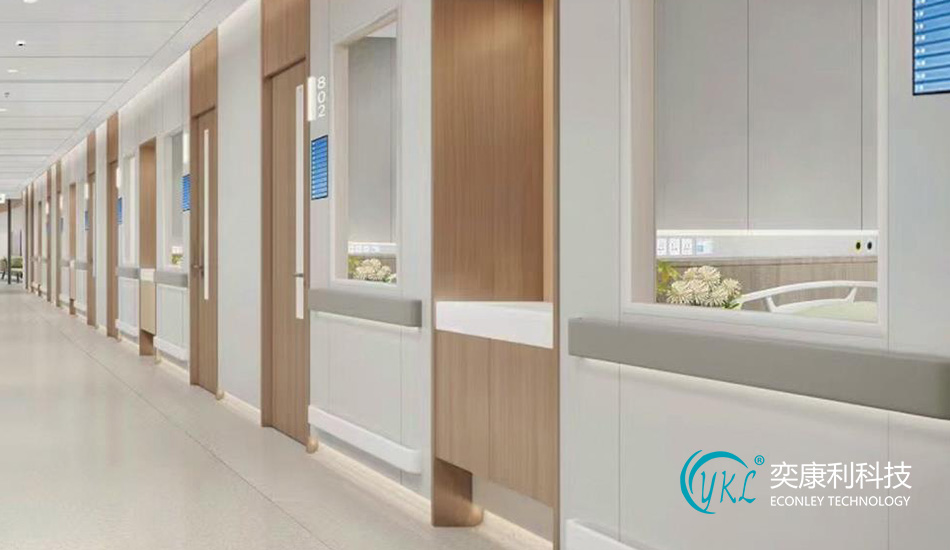
While corridor handrails are often discussed in terms of hallways, these safety systems are equally valuable in other facility areas:
In bathroom environments, particularly in patient rooms or public restrooms, the Hospital Bathroom Grab Bar provides essential support for patients transferring between wheelchair seats and toilets or standing after bathing. These grab bars must be securely mounted and have surfaces that offer a firm, non‑slip grip.
Long‑term care facilities and nursing homes require specially designed handrail systems that serve residents with chronic mobility issues. The Nursing Home Corridor Handrail is engineered to accommodate a wider range of movement speeds and support needs, helping prevent falls and encouraging independence for elderly users.
By incorporating both hallway and bathroom handrail systems, healthcare facilities create an integrated safety network that addresses patient mobility needs comprehensively.
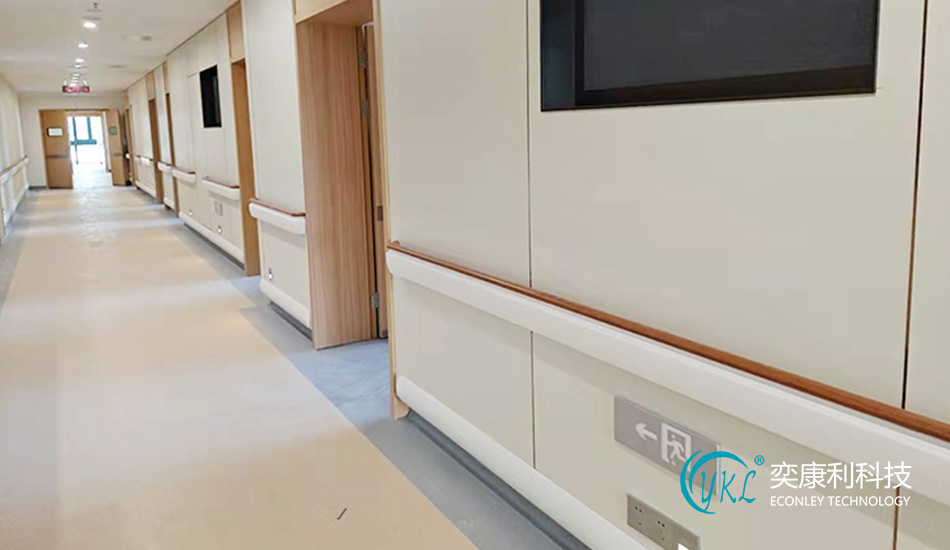
Healthcare environments demand materials that are easy to clean, highly hygienic, durable, and resistant to wear and tear. Handrail systems made from corrosion‑resistant metals such as aluminum or stainless steel, or durable PVC surfaces, are ideal choices. These materials withstand frequent cleaning with disinfectants and suppress bacterial growth, contributing to infection control efforts — a crucial consideration in environments where patients may be immunocompromised.
Smooth, non‑porous surfaces also help ensure that maintenance teams can keep handrails free from contaminants. This is especially important in high‑traffic corridors and shared spaces where cleanliness directly impacts patient well‑being.
Modern healthcare design emphasizes environments that are both functional and welcoming. Handrail systems today can be integrated into broader interior design plans, contributing to aesthetics while preserving safety performance.
From sleek metallic finishes to custom colors or profiles that match wall protection systems, handrails now contribute to the visual harmony of medical interiors. For nursing homes and rehabilitation centers, design elements that feel less institutional and more comforting can significantly improve the user experience — encouraging mobility and contributing to psychological well‑being.
Proper installation is fundamental to performance. Regardless of whether a facility opts for standard designs or Custom Corridor Handrail systems, professional mounting ensures stability, adherence to safety codes, and long‑term reliability. Positioning handrails at a consistent height, ensuring continuous grip, and anchoring them securely to support structures will maximize safety benefits.
Routine inspections and maintenance are also essential to confirm that handrails remain secure and free from damage over time. Loose mounts, worn coatings, or structural wear can reduce effectiveness and should be addressed promptly.
In conclusion, Hospital Corridor Handrails are far more than architectural accessories — they are vital safety systems that enhance patient mobility, prevent falls, and support accessibility throughout healthcare facilities. From customized handrails tailored to unique needs to supportive grab bars in bathroom settings, these systems demonstrate how thoughtful infrastructure elevates both function and user experience.
Whether planning new construction or retrofitting existing spaces, investing in high‑quality, compliant handrail solutions pays dividends in patient satisfaction, regulatory compliance, and overall safety. Contact your trusted handrail provider today to explore tailored solutions that meet your facility’s specific requirements and promote a safer, more accessible environment for all users.
Hospital corridor handrails provide essential support for patients, helping to prevent falls and ensuring smooth mobility. A Hospital Corridor Handrail offers continuous support along long hallways, reducing the risk of accidents and improving safety for both patients and staff.
Yes, Custom Corridor Handrail solutions can be designed to fit the unique layout and aesthetic of your hospital. These handrails can be tailored to specific corridor widths, design themes, and ergonomic requirements, ensuring both functionality and style.
A Hospital Accessible Handrail is specifically designed to meet accessibility standards, such as the ADA, ensuring it is the right height, securely mounted, and offers continuous support for individuals with disabilities or mobility challenges. Unlike standard handrails, they prioritize user comfort and safety for those with special needs.
Hospital Bathroom Grab Bars are vital in preventing falls in bathrooms, where wet and slippery floors can increase the risk of accidents. These grab bars provide secure points for patients to grip while transferring from a wheelchair or standing after bathing, ensuring their safety in potentially hazardous environments.
Yes, Nursing Home Corridor Handrail systems are specifically designed for elderly residents with chronic mobility issues. They focus on comfort, durability, and ease of use, supporting slower movement speeds and greater stability for elderly individuals, which makes them different from standard hospital corridor handrails.
 Tel :13510328459
 Email :493432861@qq.com
 Phone :0755-82154850/25907050
 Add:205-206, 2nd Floor, Building 2, Xiazao Village Industrial Zone, Gaofeng Community, Dalang Street, Longhua District, Shenzhen City

About

Products
Cases
News
Contact
 493432861@qq.com