Service Hotline:13510328459
 205-206, 2nd Floor, Building 2, Xiazao Village Industrial Zone, Gaofeng Community, Dalang Street, Longhua District, Shenzhen City
Service Hotline:13510328459
205-206, 2nd Floor, Building 2, Xiazao Village Industrial Zone, Gaofeng Community, Dalang Street, Longhua District, Shenzhen City



Time:2026-01-27 Preview:
In the dynamic and high-demand environment of modern healthcare facilities, Hospital Partition Curtains have evolved from simple privacy screens into indispensable tools for optimizing space utilization, enhancing patient safety, and streamlining clinical workflows. Unlike traditional fixed partitions or standard hospital curtains, Hospital Partition Curtains offer flexible and quick space division, adapting to the ever-changing needs of medical settings such as wards, emergency departments, operating rooms, and outpatient clinics. Designed to meet rigorous medical standards for infection control, durability, and safety, these curtains play a pivotal role in creating a balance between privacy, functionality, and hygiene. For hospital administrators, facility managers, and clinical staff, understanding the core value, scenario-specific applications, scientific selection criteria, and maintenance best practices of Hospital Partition Curtains is essential to improving the quality of medical services and operational efficiency. This article explores the comprehensive significance and practical implementation of Hospital Partition Curtains in healthcare environments.
The primary value of Hospital Partition Curtains lies in their flexible space division capability. Medical facilities often face the challenge of adapting limited space to diverse needs—for example, converting a large ward into individual treatment areas, separating waiting patients in crowded emergency departments, or creating temporary isolation zones during disease outbreaks. Hospital Partition Curtains can be quickly drawn or retracted to form semi-enclosed or fully enclosed spaces, allowing hospitals to maximize the use of existing square footage without the need for costly and permanent construction. This flexibility is particularly valuable in emergency situations, where rapid space reconfiguration can facilitate timely patient care and improve response efficiency.
Another key value is the protection of patient privacy and dignity. In multi-bed wards, examination rooms, and rehabilitation areas, Hospital Partition Curtains create private spaces for patients during physical examinations, treatments, dressing changes, and personal care. This not only meets the basic psychological needs of patients but also helps reduce their anxiety and stress, creating a more relaxed environment for diagnosis and recovery. For vulnerable patient groups such as the elderly, children, or those with mental health conditions, the privacy provided by these curtains is crucial for building trust with medical staff.
Infection control and safety compliance are also core functions of Hospital Partition Curtains. High-quality Hospital Partition Curtains are made of antibacterial, flame-retardant, and liquid-resistant fabrics that comply with national and international medical standards. Antibacterial fabrics inhibit the growth of pathogenic bacteria such as MRSA and Escherichia coli, reducing the risk of cross-infection in high-touch medical environments. Flame-retardant properties ensure that the curtains can slow down fire spread, enhancing the overall fire safety of the facility. Additionally, liquid-resistant fabrics prevent the absorption of medical fluids and contaminants, making it easier to maintain a clean and hygienic environment.
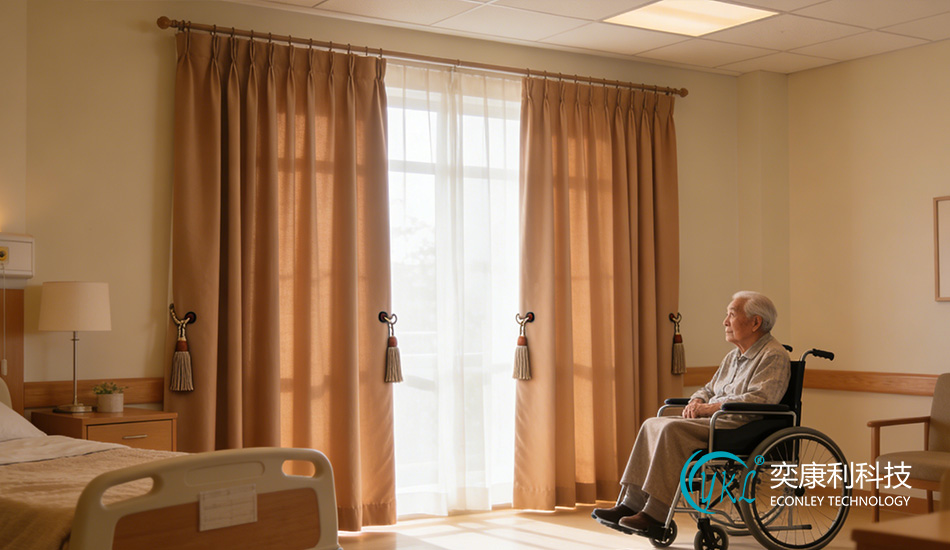
In general wards and inpatient areas, Hospital Partition Curtains focus on the balance of privacy, ventilation, and clinical convenience. The curtains are designed to be lightweight yet durable, with smooth sliding systems that allow easy operation by medical staff and patients. They are typically installed with ceiling-mounted tracks that provide full coverage of each bed area, creating independent private spaces while maintaining adequate air circulation. The fabrics are selected for their easy-to-clean and quick-drying properties, adapting to the frequent disinfection routines required in ward environments. Additionally, the curtains are designed to be quiet when opening and closing, avoiding disturbance to resting patients.
Emergency departments and trauma centers require Hospital Partition Curtains that can withstand high traffic, frequent use, and rapid reconfiguration. These curtains are made of heavy-duty, tear-resistant fabrics that can endure the rigors of emergency care, including contact with medical equipment, stretchers, and active patients. The sliding systems are robust and easy to operate with one hand, allowing medical staff to quickly create separate treatment bays for multiple patients simultaneously. Many Hospital Partition Curtains in these areas also feature high-visibility color options or reflective strips to help staff quickly identify different zones, such as triage areas, resuscitation bays, or isolation rooms.
Operating rooms and surgical suites demand Hospital Partition Curtains that meet the highest standards of sterility and safety. These curtains are made of lint-free, anti-static, and highly flame-retardant fabrics to avoid contaminating the sterile field and prevent static electricity from attracting dust or debris. They are often used to separate the surgical area from the preparation or recovery zones, maintaining a controlled environment. The installation of these curtains is seamless, with no gaps that could allow the entry of contaminants. Additionally, the fabrics are resistant to harsh medical disinfectants, ensuring that they can be thoroughly cleaned without losing their functional properties.
In outpatient clinics and rehabilitation centers, Hospital Partition Curtains focus on flexibility and patient comfort. They are used to divide large open spaces into individual consultation or treatment rooms, allowing multiple providers to see patients simultaneously. The curtains are made of light-filtering fabrics that provide privacy while allowing natural light to enter, creating a warm and welcoming environment. For rehabilitation areas, the curtains are designed to be flexible enough to accommodate mobility equipment such as wheelchairs and walkers, ensuring unobstructed access for patients and staff. The fabrics are also soft and non-irritating, avoiding discomfort for patients undergoing prolonged treatments.
When selecting Hospital Partition Curtains, the first priority is to ensure compliance with relevant medical standards and certifications. The curtains must meet requirements for antibacterial efficacy, flame retardancy, liquid resistance, and environmental safety. Look for products with certifications such as ISO 13485 (medical device quality management) and ASTM F2856 (standard for antimicrobial barrier fabrics in healthcare facilities) to ensure reliability. It is essential to verify the manufacturer’s test reports to confirm that the fabrics can maintain their functional properties after repeated cleaning and disinfection.
Selection should be tailored to the specific functional needs of different medical areas. For high-traffic areas like emergency departments, prioritize heavy-duty, tear-resistant fabrics; for sterile environments such as operating rooms, opt for lint-free and anti-static materials; for general wards, balance privacy, ventilation, and ease of maintenance. Consider the room layout and equipment placement to ensure the curtains’ track systems do not hinder the movement of medical carts, stretchers, or other essential equipment.
Choose Hospital Partition Curtains with durable sliding systems and user-friendly operation. Ceiling-mounted tracks should be sturdy with smooth gliding mechanisms to support frequent use. For areas requiring quick reconfiguration, select curtains with easy-to-operate pull handles or even electric control systems. The fabric should be resistant to wear, fading, and chemical damage from medical disinfectants, ensuring a long service life and reducing replacement costs.
When selecting Hospital Partition Curtains, the first priority is to ensure compliance with relevant medical standards and certifications. The curtains must meet requirements for antibacterial efficacy, flame retardancy, liquid resistance, and environmental safety. Look for products with certifications such as ISO 13485 (medical device quality management) and ASTM F2856 (standard for antimicrobial barrier fabrics in healthcare facilities) to ensure reliability. It is essential to verify the manufacturer’s test reports to confirm that the fabrics can maintain their functional properties after repeated cleaning and disinfection.
 Tel :13510328459
 Email :493432861@qq.com
 Phone :0755-82154850/25907050
 Add:205-206, 2nd Floor, Building 2, Xiazao Village Industrial Zone, Gaofeng Community, Dalang Street, Longhua District, Shenzhen City

About

Products
Cases
News
Contact
 493432861@qq.com