Service Hotline:13510328459
 205-206, 2nd Floor, Building 2, Xiazao Village Industrial Zone, Gaofeng Community, Dalang Street, Longhua District, Shenzhen City
Service Hotline:13510328459
205-206, 2nd Floor, Building 2, Xiazao Village Industrial Zone, Gaofeng Community, Dalang Street, Longhua District, Shenzhen City



Time:2026-01-26 Preview:
In the dynamic and demanding environment of modern healthcare facilities, Hospital Roller Blinds have emerged as a versatile and essential solution for enhancing space functionality, patient comfort, and operational efficiency. Unlike traditional curtain systems, Hospital Roller Blinds feature a compact, roll-up design that maximizes usable space while delivering precise control over light, privacy, and environmental conditions. Tailored to meet the rigorous requirements of medical settings—from frequent disinfection to strict safety standards—Hospital Roller Blinds play a pivotal role in creating therapeutic environments that support patient recovery and streamline clinical workflows. For hospital administrators, facility managers, and procurement teams, understanding the unique advantages, scenario-specific applications, selection criteria, and maintenance best practices of Hospital Roller Blinds is key to optimizing medical space design. This article explores the comprehensive value and practical implementation of Hospital Roller Blinds in healthcare settings.
The primary advantage of Hospital Roller Blinds lies in their space-saving design and operational flexibility. By rolling up neatly into a compact headbox when not in use, these blinds eliminate the clutter associated with traditional hanging curtains, freeing up valuable space in crowded wards, examination rooms, and corridors. This space efficiency is particularly beneficial in intensive care units (ICUs) and emergency departments, where unobstructed access to medical equipment and patient beds is critical for timely interventions. Additionally, the smooth, vertical operation of Hospital Roller Blinds allows for precise adjustment—from full light exposure to complete privacy—enabling medical staff to tailor the environment to patient needs and clinical procedures.
Another key benefit is the enhanced infection control and durability of Hospital Roller Blinds. Designed for the high-traffic, high-disinfection demands of medical environments, quality Hospital Roller Blinds use fabrics that resist moisture, chemicals, and frequent cleaning with medical-grade disinfectants. Unlike porous curtain materials that can harbor pathogens, the smooth, non-porous surfaces of many roller blind fabrics minimize bacterial growth, reducing the risk of cross-contamination. These fabrics also exhibit excellent wear resistance, maintaining their functionality and appearance even after prolonged use, making them a cost-effective long-term investment for hospitals.
Precise light and temperature control further underscores the value of Hospital Roller Blinds. Medical spaces require balanced lighting to support clinical procedures while avoiding glare that can discomfort patients or hinder diagnostic work. Hospital Roller Blinds are available in a range of light-filtering options—from sheer fabrics that allow soft natural light to pass through to blackout materials that create complete darkness for procedures or patient rest. By regulating sunlight penetration, these blinds also help stabilize indoor temperatures, reducing the load on heating, ventilation, and air conditioning (HVAC) systems and contributing to energy efficiency in healthcare facilities.
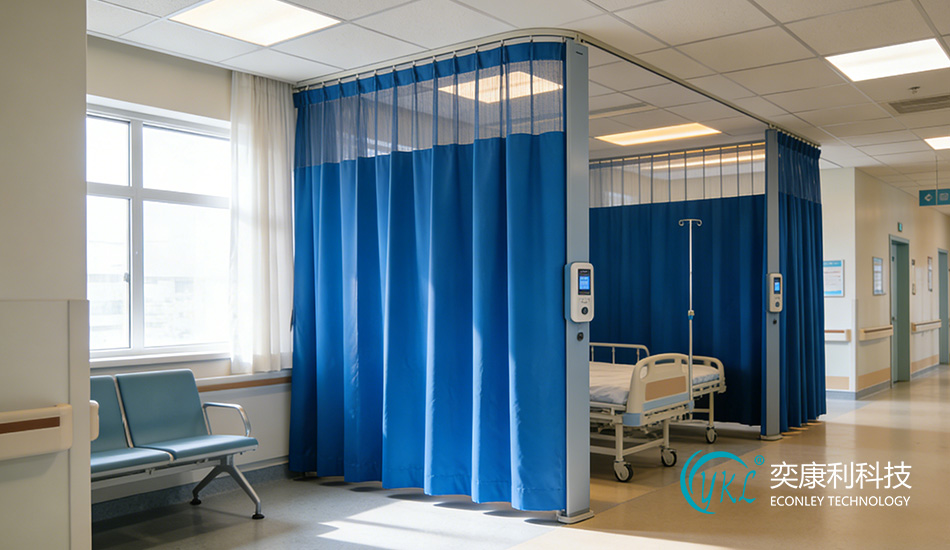
In general wards and patient rooms, Hospital Roller Blinds prioritize patient comfort and privacy. Light-filtering roller blinds are ideal for these spaces, as they diffuse natural light to create a warm, therapeutic environment while preventing direct glare on beds and medical monitors. The smooth operation of the blinds allows patients—even those with limited mobility—to easily adjust the light levels using simple controls, empowering them to personalize their surroundings. Additionally, the easy-to-clean fabric of Hospital Roller Blinds supports the regular disinfection routines necessary to maintain ward hygiene, ensuring a safe environment for patients with compromised immune systems.
Operating rooms and procedure suites demand Hospital Roller Blinds that meet strict sterile and safety standards. Blackout roller blinds are commonly used here to eliminate external light interference during surgical procedures and imaging tests, ensuring clear visibility for medical staff. The fabrics are selected for their lint-free, anti-static properties, which prevent contamination of the sterile field and avoid attracting dust or debris. Many Hospital Roller Blinds designed for these areas also feature flame-retardant materials, complying with the rigorous fire safety regulations of critical medical spaces.
Diagnostic imaging areas, such as radiology and MRI suites, and clinical laboratories require Hospital Roller Blinds with specialized light-blocking capabilities. These spaces rely on controlled lighting conditions to ensure accurate test results and safe operation of imaging equipment. Heavy-duty blackout Hospital Roller Blinds effectively block all external light, creating the dark environment necessary for procedures like X-rays and MRIs. The durable, chemical-resistant fabrics of these blinds also withstand the harsh cleaning agents used in laboratory settings, maintaining their integrity and performance over time.
In administrative offices, waiting rooms, and other public areas of hospitals, Hospital Roller Blinds balance functionality with aesthetic appeal. Light-filtering or semi-transparent roller blinds control glare on computer screens and create a comfortable environment for staff and visitors, while their sleek design enhances the professional appearance of the space. These blinds are also easy to maintain, a key consideration for high-traffic public areas that require regular cleaning to uphold hygiene standards.
When selecting Hospital Roller Blinds, compliance with medical safety and hygiene standards is paramount. The chosen blinds must meet national and international regulations for flame retardancy, antibacterial performance, and chemical resistance. It is essential to verify that the fabric and components are non-toxic, low-emission, and free of harmful substances that could compromise indoor air quality or irritate patients and staff.
Adaptability to the specific needs of each medical area is another critical criterion. For light-sensitive spaces, prioritize blackout or heavy light-filtering fabrics; for patient comfort areas, opt for soft, diffusing materials. Consider the operation method as well—electric Hospital Roller Blinds are ideal for high-reach windows or areas where minimal contact is preferred (such as ICUs), while manual options may be sufficient for administrative spaces. The durability of the blinds, including the strength of the roll-up mechanism and the resistance of the fabric to wear and disinfection, should also be evaluated to ensure long-term performance.
Establishing a regular cleaning and maintenance schedule is essential to preserve the functionality and hygiene of Hospital Roller Blinds. The cleaning protocol should align with the fabric type—most roller blinds can be cleaned with a damp cloth and mild, medical-grade disinfectant, while some may require periodic professional cleaning. Avoid using abrasive cleaners or harsh chemicals that could damage the fabric or components.
Regular inspections of the roll-up mechanism are also important. Check for smooth operation, loose components, or signs of wear, and address any issues promptly to prevent malfunctions. For electric Hospital Roller Blinds, ensure that the motor and control systems are inspected regularly by qualified technicians to maintain safe and reliable operation. Proper training for staff on the correct use and basic maintenance of the blinds can also extend their lifespan and ensure consistent performance.
Hospital Roller Blinds are a smart investment for healthcare facilities seeking to optimize space, enhance patient comfort, and maintain high standards of safety and hygiene. Their compact design, versatile functionality, and durability make them well-suited to the unique challenges of medical environments. By selecting the right Hospital Roller Blinds for each scenario, adhering to strict safety standards, and implementing proper maintenance practices, hospitals can create more efficient, therapeutic spaces that support both patient recovery and clinical excellence. For hospital managers looking to upgrade their facility’s window treatments, partnering with suppliers specializing in medical-grade roller blinds ensures access to products tailored to the specific needs of healthcare settings. If you need guidance on selecting or implementing Hospital Roller Blinds for your facility, contact us today to connect with industry experts in medical space optimization solutions.
 Tel :13510328459
 Email :493432861@qq.com
 Phone :0755-82154850/25907050
 Add:205-206, 2nd Floor, Building 2, Xiazao Village Industrial Zone, Gaofeng Community, Dalang Street, Longhua District, Shenzhen City

About

Products
Cases
News
Contact
 493432861@qq.com