Service Hotline:13510328459
 205-206, 2nd Floor, Building 2, Xiazao Village Industrial Zone, Gaofeng Community, Dalang Street, Longhua District, Shenzhen City
Service Hotline:13510328459
205-206, 2nd Floor, Building 2, Xiazao Village Industrial Zone, Gaofeng Community, Dalang Street, Longhua District, Shenzhen City



Time:2026-01-23 Preview:
In the construction of a safe and comfortable medical environment, Hospital Window Screen plays an indispensable role that is often overlooked. Unlike ordinary residential or commercial window screens, Hospital Window Screen is specially designed to meet the rigorous requirements of healthcare facilities, integrating functions such as insect prevention, dust filtration, ventilation guarantee, and safety protection. These seemingly simple components make a significant contribution to maintaining the hygiene of medical spaces, preventing cross-infection, and improving the comfort of patients and medical staff. For hospital administrators, facility managers, and procurement teams, understanding the core value, scenario-specific adaptations, scientific selection criteria, and daily maintenance methods of Hospital Window Screen is essential to optimizing the medical environment. This article explores the comprehensive role of Hospital Window Screen in medical settings and provides practical application guidance.
The primary value of Hospital Window Screen is to build a barrier against external pollutants and pests, safeguarding the hygiene of medical spaces. Hospitals, as places where patients with weak immunity gather, are highly vulnerable to the impact of external pests such as mosquitoes, flies, and dust mites, which may carry pathogenic bacteria and cause cross-infection. High-quality Hospital Window Screen can effectively block these pests from entering the ward, consultation room, and other areas, reducing the risk of infection. At the same time, it can filter out most of the dust, pollen, and other suspended particles in the air, improving the indoor air quality and creating a cleaner environment for patients' recovery.
Another key value is to balance ventilation and safety. Adequate ventilation is crucial for medical spaces to maintain air circulation and reduce the concentration of harmful gases and bacteria. Hospital Window Screen allows fresh outdoor air to enter the room while preventing the entry of external hazards, ensuring continuous ventilation without compromising environmental safety. For high-rise hospital buildings or areas with special safety requirements, some Hospital Window Screen products are also designed with anti-fall and anti-theft functions, enhancing the overall safety of the facility. Additionally, the light-transmitting performance of window screens ensures that natural light can enter the room normally, creating a bright environment that is conducive to patients' physical and mental recovery.
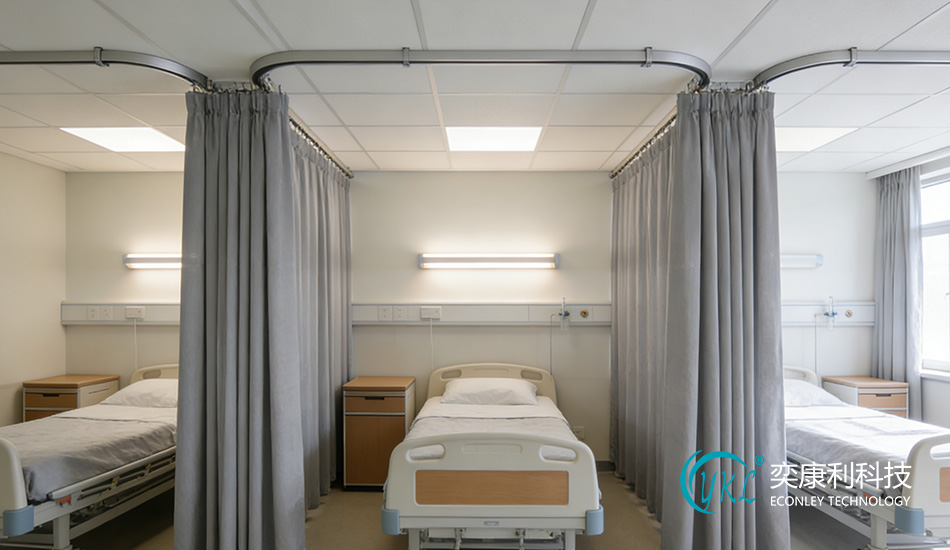
In general wards and observation rooms, Hospital Window Screen focuses on the balance of ventilation, insect prevention, and patient comfort. The screen mesh is designed to be dense enough to block small pests and dust, while maintaining good air permeability to ensure fresh air circulation in the ward. Considering that patients need a quiet rest environment, the window screens are made of materials that reduce wind noise when the window is open. The frame structure is sturdy and durable to withstand frequent opening and closing by medical staff and patients. Additionally, the surface of the screen is smooth and easy to clean, adapting to the regular disinfection needs of the ward.
Operating rooms and ICUs have the highest requirements for environmental hygiene and sterility, so Hospital Window Screen used here must meet stricter standards. These window screens are usually made of high-performance anti-bacterial and anti-static materials to prevent the growth of bacteria on the screen surface and avoid static electricity from attracting dust. The mesh is ultra-fine to filter out even tiny particles in the air, ensuring that the incoming air meets the sterile requirements of the operating environment. The installation of the window screens is seamless, without gaps that may allow pollutants to enter. Some products also have flame-retardant properties, complying with the strict fire safety standards of key medical areas.
Pediatric wards and neonatal units require Hospital Window Screen tailored to the characteristics of children and infants. The screen mesh is designed to be finer to block smaller pests and allergens, protecting the fragile respiratory systems of children. The frame and screen materials are non-toxic, harmless, and free of sharp edges to avoid potential safety hazards for active children. The color of the window screens can be selected as soft and bright tones to create a friendly and reassuring environment for children. Additionally, the window screens are easy to disassemble and clean, facilitating frequent disinfection to maintain a hygienic environment.
Cafeterias and public areas in hospitals have high requirements for insect prevention and dust filtration due to the presence of food and large numbers of people. Hospital Window Screen here is designed with strong durability and wear resistance to withstand high traffic and frequent cleaning. The mesh is dense and the frame is sturdy, effectively blocking pests and preventing dust from entering the dining and activity areas. Some window screens are also equipped with easy-to-operate opening and closing mechanisms, facilitating ventilation and cleaning while ensuring the convenience of use.
When selecting Hospital Window Screen, the first priority is to ensure compliance with national medical hygiene and safety standards. The products must be made of non-toxic, odorless, and environmentally friendly materials, without releasing harmful substances. For key areas such as operating rooms and ICUs, the window screens should have relevant anti-bacterial, anti-static, and flame-retardant certifications. It is necessary to check the test reports and certification documents provided by the manufacturer to confirm that the product meets the strict requirements of medical environments.
Select Hospital Window Screen according to the functional characteristics of different areas. For high-sterility areas, prioritize ultra-fine mesh and anti-bacterial materials; for pediatric areas, focus on safety, non-toxicity, and fine mesh; for public areas, select durable and wear-resistant products. Consider the local climate and environmental conditions—for areas with more mosquitoes, choose denser mesh; for areas with more dust, select window screens with better dust filtration performance. Additionally, the size and installation method of the window screens should match the window dimensions and structure of the hospital to ensure a seamless fit.
Opt for Hospital Window Screen with durable materials and reliable structure. The screen should be able to withstand frequent cleaning, disinfection, and daily use without damage or deformation. The frame should be made of corrosion-resistant materials to adapt to the humid environment in some medical areas. Additionally, the window screens should be easy to install, disassemble, and clean to reduce the workload of maintenance staff. Choosing products with good after-sales service can ensure timely replacement and repair of damaged window screens.
Establish a regular cleaning and disinfection system. According to the usage frequency and pollution degree of different areas, formulate a reasonable cleaning cycle. Use disinfectants compatible with the window screen materials to avoid damaging the screen and frame. For detachable window screens, disassemble them regularly for thorough cleaning; for fixed window screens, use appropriate tools to clean the mesh and frame. After cleaning, ensure the window screens are fully dried before reinstallation to prevent mold growth.
Carry out regular inspections and maintenance. Regularly check the integrity of Hospital Window Screen, including whether the mesh is damaged, whether the frame is loose or corroded, and whether the opening and closing mechanisms are smooth. Timely repair or replace damaged window screens to ensure their normal function. For high-rise hospital buildings, regularly check the firmness of the installation to prevent safety accidents caused by falling window screens. Train maintenance staff on the correct cleaning and maintenance methods to extend the service life of the window screens.
Hospital Window Screen is an important part of the medical environment safety system, which plays a vital role in maintaining environmental hygiene, preventing cross-infection, and improving patient comfort. By selecting high-quality products that comply with standards, adapting to the needs of different scenarios, and implementing scientific operation and maintenance, hospitals can give full play to the value of Hospital Window Screen and create a safer, cleaner, and more comfortable medical space for patients and medical staff. For hospital managers committed to improving the quality of medical services, paying attention to the rational selection and use of Hospital Window Screen is an important and basic work. If you need guidance on selecting or maintaining Hospital Window Screen for your hospital, contact us today to connect with industry experts specializing in medical facility solutions.
Related Articles
The Ultimate Guide to Selecting a Hospital Bed Privacy Curtain: Safety, Durability, and Compliance
China Hospital Bed Privacy Curtain:The Foundation Of Humanized Medical Environment
 Tel :13510328459
 Email :493432861@qq.com
 Phone :0755-82154850/25907050
 Add:205-206, 2nd Floor, Building 2, Xiazao Village Industrial Zone, Gaofeng Community, Dalang Street, Longhua District, Shenzhen City

About

Products
Cases
News
Contact
 493432861@qq.com