Service Hotline:13510328459
 205-206, 2nd Floor, Building 2, Xiazao Village Industrial Zone, Gaofeng Community, Dalang Street, Longhua District, Shenzhen City
Service Hotline:13510328459
205-206, 2nd Floor, Building 2, Xiazao Village Industrial Zone, Gaofeng Community, Dalang Street, Longhua District, Shenzhen City



Time:2026-01-20 Preview:
In the journey toward building inclusive environments, Custom Accessible Handrail stands out as a vital solution that adapts to the unique requirements of diverse spaces and users. Unlike one-size-fits-all standard handrails, Custom Accessible Handrail is tailored to align with specific space layouts, user abilities, and aesthetic preferences, ensuring that safety and accessibility are not compromised by generic designs. From residential homes and healthcare facilities to public buildings and commercial spaces, Custom Accessible Handrail plays a pivotal role in empowering people with disabilities, the elderly, children, and other vulnerable groups to move independently and with dignity. For architects, facility managers, and homeowners, understanding the value, application scenarios, and selection criteria of Custom Accessible Handrail is essential to creating truly inclusive spaces. This article explores the core advantages of Custom Accessible Handrail, its scenario-specific adaptations, key considerations for selection, and practical implementation tips.
The primary advantage of Custom Accessible Handrail is its ability to resolve the limitations of standard products by fitting unique space and user needs. Every environment has distinct characteristics: a narrow residential hallway may require space-saving handrail designs, a hospital ward needs handrails compatible with medical equipment, and a historic building demands solutions that blend with its architectural style. Custom Accessible Handrail addresses these challenges through personalized design, ensuring a perfect fit in terms of size, shape, and placement. This level of customization not only enhances the practical functionality of the handrail but also preserves the aesthetic integrity of the space, avoiding the industrial and intrusive look often associated with standard accessibility fixtures.
Another key advantage is its ability to cater to diverse user requirements. Custom Accessible Handrail can be tailored to support specific user groups, such as visually impaired individuals (with tactile indicators), people with limited grip strength (with ergonomic textures), children (with lower heights), and wheelchair users (with appropriate mounting heights and clearances). By prioritizing user-centric design, Custom Accessible Handrail ensures that everyone—regardless of their mobility or physical abilities—can use the space safely and independently. Additionally, custom solutions are designed to meet strict accessibility standards (such as ADA guidelines and ISO 14122), helping facilities avoid regulatory penalties and demonstrate a commitment to inclusivity.
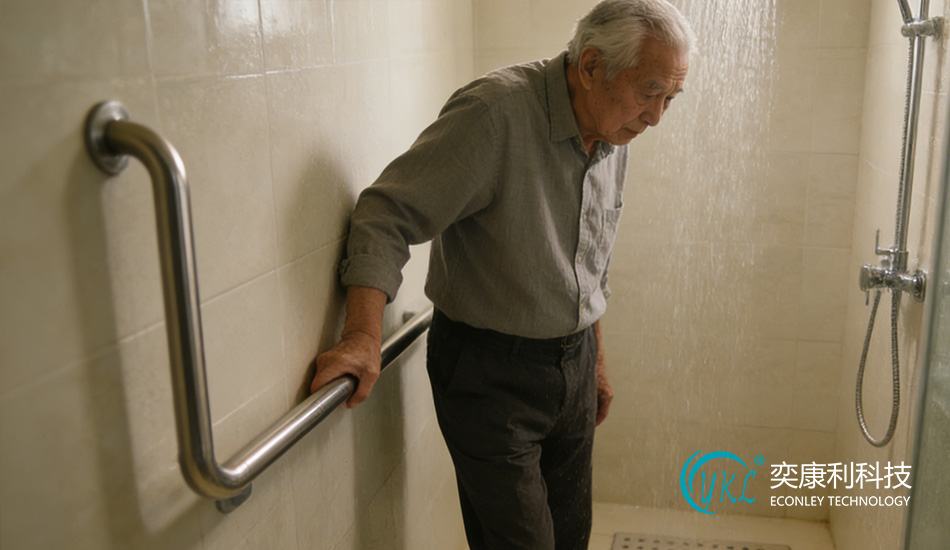
In residential settings, Custom Accessible Handrail focuses on balancing functionality with home aesthetics. For elderly family members or those with mobility issues, handrails can be customized to match the home’s decor—using wood-grain finishes, matching color palettes, or sleek modern designs that blend with furniture. In small bathrooms, foldable or wall-mounted Custom Accessible Handrail saves space while providing essential support near toilets and showers. For multi-generational homes, adjustable-height handrails accommodate both children and adults, ensuring long-term usability. These custom solutions transform living spaces into safe, inclusive environments without sacrificing warmth and style.
Healthcare environments demand Custom Accessible Handrail that prioritizes durability, hygiene, and compatibility with medical infrastructure. Hospitals and nursing homes often opt for corrosion-resistant materials (such as stainless steel) that withstand frequent disinfection and heavy use. Custom designs ensure handrails are positioned to avoid interfering with hospital beds, IV stands, oxygen outlets, and other medical equipment. For rehabilitation wards, handrails with varying grip textures and support levels are customized to assist patients in different stages of recovery, promoting mobility and independence. Additionally, rounded edges and smooth surfaces prevent injuries to patients with fragile skin, enhancing overall safety.
In public spaces like museums, parks, shopping malls, and transportation hubs, Custom Accessible Handrail balances accessibility with high traffic demands and aesthetic appeal. For historic buildings or cultural sites, handrails are customized to match the architectural style—using traditional materials or designs that complement the space’s heritage. In busy public areas, durable and anti-slip Custom Accessible Handrail is designed to withstand heavy use, while tactile indicators guide visually impaired users to key locations (ticket counters, restrooms, exits). Commercial spaces like restaurants and retail stores use custom handrails to create inclusive environments for customers and employees, enhancing the overall user experience and expanding their customer base.
Schools and universities require Custom Accessible Handrail tailored to the needs of students with disabilities and children of all ages. For primary schools, lower handrail heights and child-friendly designs (with rounded edges and bright colors) create a safe and welcoming environment. For students with mobility impairments, custom handrails are installed along ramps, corridors, and in restrooms, ensuring easy access to classrooms, libraries, and playgrounds. Additionally, tactile indicators and high-contrast colors help visually impaired students navigate the campus independently, promoting equal access to education.
When selecting Custom Accessible Handrail, the first consideration is the needs of the target users. Conduct a thorough assessment of their mobility abilities, grip strength, height, and any specific requirements (such as compatibility with wheelchairs or walkers). For example, visually impaired users may require handrails with tactile indicators, while those with upper limb impairments need ergonomic grips that reduce strain. By centering the selection on user needs, you ensure the custom handrail truly enhances accessibility and safety.
Material choice is critical for Custom Accessible Handrail, as it impacts durability, hygiene, and aesthetics. For wet environments (bathrooms, swimming pools), select corrosion-resistant materials like stainless steel or aluminum. For residential spaces, wood or composite materials may be preferred for their aesthetic appeal. For healthcare facilities, anti-microbial materials that resist bacteria growth are ideal. Ensure the selected material meets accessibility standards and can withstand the specific environmental conditions of the space.
Custom Accessible Handrail must comply with international and local accessibility standards, such as ADA guidelines, ISO 14122, and regional building codes. These standards specify requirements for handrail height, wall clearance, load-bearing capacity, and anti-slip performance. Work with a reputable supplier who understands these standards and integrates them into the custom design process to avoid regulatory issues and ensure the handrail is safe for all users.
Aesthetic Integration with Space
While functionality is key, Custom Accessible Handrail should also blend with the space’s aesthetic. Consider the existing decor, architectural style, and color palette when customizing the handrail’s design, finish, and shape. This ensures the handrail enhances the space’s appearance rather than detracting from it, creating a more welcoming and inclusive environment for all users.
To ensure successful implementation of Custom Accessible Handrail, start with a detailed on-site assessment of the space. Work with experienced designers and manufacturers who specialize in accessible solutions, as they can provide valuable insights and recommendations. Collaborate closely with the design team to refine the handrail’s specifications, and request a prototype or 3D rendering to visualize the final product before manufacturing. Once the handrail is manufactured, ensure professional installation by technicians familiar with custom accessibility solutions to guarantee secure mounting and proper positioning.
Additionally, provide training for users and staff on the proper use of the Custom Accessible Handrail, especially for features like tactile indicators or adjustable heights. Regular maintenance and inspections are also essential to ensure the handrail remains safe and functional over time—clean it regularly with appropriate materials and address any damage or wear promptly.
Custom Accessible Handrail is more than just a safety feature; it is a cornerstone of inclusive design that empowers people of all abilities to use spaces independently and with dignity. By adapting to unique space and user needs, custom handrails resolve the limitations of standard products, ensuring accessibility without compromising aesthetics or functionality. Whether for residential, healthcare, public, or educational spaces, Custom Accessible Handrail plays a vital role in creating environments that serve everyone. By prioritizing user needs, selecting appropriate materials, complying with standards, and working with experienced professionals, you can implement custom handrail solutions that enhance safety, accessibility, and inclusivity. If you are planning an inclusive design project and need guidance on Custom Accessible Handrail, contact us today to connect with industry experts and get personalized recommendations.
 Tel :13510328459
 Email :493432861@qq.com
 Phone :0755-82154850/25907050
 Add:205-206, 2nd Floor, Building 2, Xiazao Village Industrial Zone, Gaofeng Community, Dalang Street, Longhua District, Shenzhen City

About

Products
Cases
News
Contact
 493432861@qq.com