Service Hotline:13510328459
 205-206, 2nd Floor, Building 2, Xiazao Village Industrial Zone, Gaofeng Community, Dalang Street, Longhua District, Shenzhen City
Service Hotline:13510328459
205-206, 2nd Floor, Building 2, Xiazao Village Industrial Zone, Gaofeng Community, Dalang Street, Longhua District, Shenzhen City



Time:2026-01-20 Preview:
Creating truly inclusive environments—whether in hospitals, nursing homes, schools, or public buildings—relies heavily on accessibility handrails that perfectly fit unique space layouts and user needs. A Support Custom Design Accessibility Handrail Manufacturer plays a pivotal role in this process, as they bridge the gap between standard products and tailored solutions that meet specific functional, aesthetic, and compliance requirements. Unlike manufacturers focused solely on mass-produced handrails, a Support Custom Design Accessibility Handrail Manufacturer combines professional design capabilities, industry expertise, and flexible production to deliver solutions that cater to diverse user groups, including the elderly, people with disabilities, and children. For facility managers, architects, and procurement teams, selecting the right such manufacturer is critical to ensuring the success of accessibility projects. This article explores the core value of partnering with a Support Custom Design Accessibility Handrail Manufacturer, key criteria for selection, essential collaboration process points, and scenario-specific cooperation cases.
The primary value of a Support Custom Design Accessibility Handrail Manufacturer lies in delivering personalized solutions that standard products cannot match. Every inclusive space has unique challenges: narrow hospital corridors requiring space-saving handrail designs, pediatric facilities needing child-friendly heights and shapes, or public restrooms requiring seamless integration with existing infrastructure. A professional manufacturer specializing in custom design can conduct on-site demand assessments, understand the specific needs of target users, and develop handrail solutions that fit perfectly with the space layout and functional requirements. This level of customization ensures that the handrails not only enhance safety and accessibility but also blend harmoniously with the overall design aesthetic of the space.
Another key value is ensuring compliance with global accessibility standards. A reputable Support Custom Design Accessibility Handrail Manufacturer is well-versed in international and local regulations, such as ADA guidelines, ISO 14122 standards, and regional building codes. They integrate these compliance requirements into the custom design process, ensuring that every tailored handrail meets load-bearing, ergonomic, and safety standards. This not only helps facilities avoid regulatory penalties but also guarantees that the handrails truly serve the needs of people with disabilities and other vulnerable groups. Additionally, such manufacturers often provide comprehensive after-sales services, including installation guidance, maintenance support, and product certification documentation, further enhancing the value of the partnership.
When evaluating a Support Custom Design Accessibility Handrail Manufacturer, their design capabilities are the top priority. Look for manufacturers with a dedicated design team that has experience in diverse accessibility scenarios, from healthcare facilities to educational institutions. A capable design team should be able to translate client needs into practical designs, conduct feasibility studies, and provide design iterations based on feedback. Additionally, manufacturers that adopt a user-centric design approach—inviting input from people with disabilities or care providers during the design process—are more likely to deliver solutions that truly meet user needs.
Industry experience is a reliable indicator of a manufacturer’s competence. A Support Custom Design Accessibility Handrail Manufacturer with a proven track record in the accessibility field is better equipped to handle complex customization requirements and unexpected challenges. Request case studies of similar projects, such as custom handrail solutions for hospitals or nursing homes, to evaluate the quality of their work and their ability to meet project deadlines and compliance standards. Positive client testimonials and long-term partnerships with reputable institutions further validate a manufacturer’s reliability.
Custom design requires flexible production capabilities to accommodate diverse design specifications. Choose a Support Custom Design Accessibility Handrail Manufacturer with advanced production equipment and a modular production system, which can efficiently handle custom orders of varying sizes and complexities. Equally important is a rigorous quality control system—manufacturers should conduct strict inspections throughout the production process, from raw material selection to finished product testing, to ensure that the custom handrails are durable, safe, and consistent with the design requirements. Certifications such as ISO 9001 quality management system certification are additional evidence of a manufacturer’s commitment to quality.
A high-quality Support Custom Design Accessibility Handrail Manufacturer offers more than just product customization—they provide end-to-end services. This includes on-site demand assessment, design consultation, installation guidance, and post-sales maintenance. Manufacturers that can collaborate closely with architects, contractors, and facility managers throughout the project lifecycle ensure that the custom handrail solution is seamlessly integrated into the overall project. Additionally, clear communication channels and responsive customer support are essential for addressing any issues that may arise during the customization and installation process.
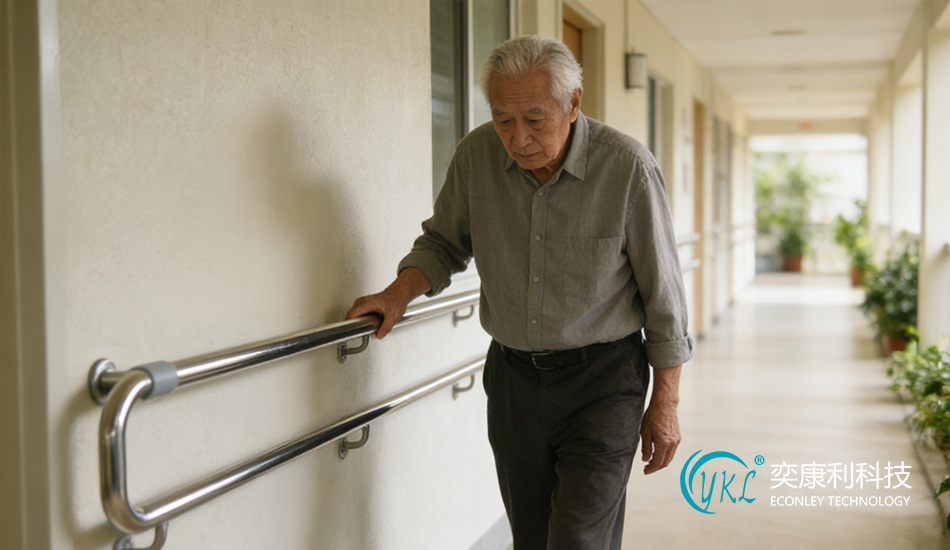
To ensure a successful partnership with a Support Custom Design Accessibility Handrail Manufacturer, it is important to pay attention to key points in the collaboration process. Firstly, conduct a detailed demand briefing: clearly communicate the space characteristics, target user groups, functional requirements, compliance standards, and aesthetic preferences to the manufacturer. Providing on-site measurements and photos can help the manufacturer better understand the project context.
Secondly, participate actively in the design review process. Review design proposals and prototypes provided by the manufacturer to ensure that the solution meets expectations. Provide timely feedback on design details, such as handrail shape, color, and installation position. Thirdly, clarify project timelines and responsibilities in the cooperation agreement, including design completion, production delivery, and installation support. Finally, conduct joint inspections upon project completion to verify that the custom handrails meet design requirements, quality standards, and compliance regulations.
A large tertiary hospital in a major city needed to renovate its elderly ward corridors to improve accessibility for patients with limited mobility. They partnered with a Support Custom Design Accessibility Handrail Manufacturer to develop dual-height handrails that accommodate both standing patients and wheelchair users. The manufacturer conducted on-site assessments, designed handrails with anti-slip surfaces and rounded edges, and ensured seamless integration with existing medical equipment such as oxygen outlets and call buttons. The custom solution reduced patient fall rates by 60% after installation, significantly improving ward safety.
A primary school launched an accessibility upgrade project to better serve students with disabilities. They collaborated with a Support Custom Design Accessibility Handrail Manufacturer to customize handrails for ramps, corridors, and restrooms. The manufacturer designed lower-height handrails for children, using bright and soothing colors to create a friendly environment. The handrails were also designed to be compatible with wheelchairs and assistive devices, ensuring that students with disabilities could move independently throughout the campus. The project successfully created an inclusive learning environment that met national accessibility standards.
Selecting the right Support Custom Design Accessibility Handrail Manufacturer is a critical step in creating safe, inclusive, and compliant spaces. By prioritizing professional design capabilities, industry experience, flexible production, and comprehensive services, facility managers and architects can find a partner that delivers tailored solutions meeting their unique needs. A successful partnership with such a manufacturer not only enhances the accessibility and safety of the space but also promotes social inclusion by ensuring that everyone—regardless of mobility ability—can use the space with dignity and independence. If you are planning an accessibility project and need to find a reliable Support Custom Design Accessibility Handrail Manufacturer, contact us today to connect with industry experts and get personalized recommendations.
 Tel :13510328459
 Email :493432861@qq.com
 Phone :0755-82154850/25907050
 Add:205-206, 2nd Floor, Building 2, Xiazao Village Industrial Zone, Gaofeng Community, Dalang Street, Longhua District, Shenzhen City

About

Products
Cases
News
Contact
 493432861@qq.com