Service Hotline:13510328459
 205-206, 2nd Floor, Building 2, Xiazao Village Industrial Zone, Gaofeng Community, Dalang Street, Longhua District, Shenzhen City
Service Hotline:13510328459
205-206, 2nd Floor, Building 2, Xiazao Village Industrial Zone, Gaofeng Community, Dalang Street, Longhua District, Shenzhen City



Time:2026-01-20 Preview:
In healthcare facilities, custom medical accessibility handrails play a pivotal role in meeting the unique needs of patients and complying with strict medical safety standards. Unlike standard handrails, custom solutions are tailored to specific medical environments—from intensive care units to rehabilitation centers—and user groups, making design a core determinant of their pricing. Understanding Custom Medical Accessibility Handrail Price from Design is essential for healthcare administrators, facility managers, and procurement teams to balance functionality, compliance, and budget. This article explores the core logic of how design drives pricing, key design elements that impact costs, strategies for cost-effective customization, and practical guidance for navigating quotes and procurement, providing valuable insights for stakeholders seeking tailored medical accessibility solutions.
The pricing of custom medical accessibility handrails is inherently linked to design because every design decision directly affects material selection, manufacturing complexity, and installation requirements. Medical environments demand handrails that not only support mobility but also integrate with medical equipment, withstand frequent disinfection, and cater to vulnerable patient groups—such as those with limited mobility, visual impairments, or cognitive disabilities. Custom designs must address these specific needs, and each tailored feature adds layers of complexity to production, thereby influencing the final price. Unlike off-the-shelf products with standardized production processes, custom medical handrails require personalized design iterations, prototyping, and specialized manufacturing, all of which contribute to the pricing structure centered on design.
Additionally, design-driven pricing ensures that the final product meets rigorous medical compliance standards. Design choices related to load-bearing capacity, anti-slip performance, and ergonomic fit are not only functional but also regulatory requirements. Meeting these standards often requires premium materials and precision engineering, which are reflected in the price. Thus, Custom Medical Accessibility Handrail Price from Design is a reflection of the value derived from a solution that perfectly aligns with the medical facility’s unique needs while adhering to safety and accessibility regulations.
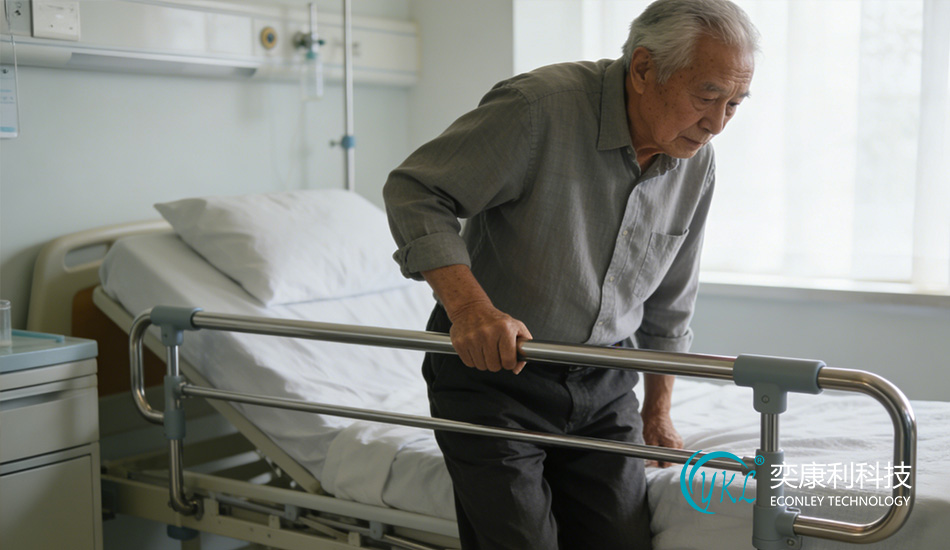
Material choice, a fundamental design decision, has a significant impact on Custom Medical Accessibility Handrail Price from Design. Medical handrails require materials that are corrosion-resistant, easy to disinfect, and durable enough to withstand heavy use. Stainless steel, known for its durability and hygiene properties, is a popular choice but comes at a higher cost compared to aluminum. Specialized materials, such as anti-microbial coated metals or composite materials that enhance grip, further increase pricing due to their advanced manufacturing processes. The design’s material specifications directly dictate the base cost, with higher-performance materials translating to higher overall prices.
The complexity of ergonomic and functional design features is another major price driver. Custom medical handrails often require tailored ergonomic shapes to accommodate patients with weak grip strength or limited upper limb mobility. Designs with curved profiles, extended grip areas, or adjustable heights demand more intricate manufacturing processes than straight, standard handrails. Functional add-ons integrated into the design—such as tactile indicators for visually impaired users, integrated lighting for low-light environments, or foldable structures for space-constrained areas—also increase costs by adding components and production steps. The more specialized the functional requirements, the higher the customization cost.
Designs that need to integrate with existing medical infrastructure or equipment contribute to higher Custom Medical Accessibility Handrail Price from Design. For example, handrails designed to fit around medical devices like oxygen tanks, IV stands, or hospital beds require precise measurements and custom fitting. Similarly, handrails for operating rooms or sterile environments must be designed with concealed mounting brackets to avoid harboring bacteria, which adds complexity to both design and installation. The need for seamless compatibility with the facility’s layout and equipment demands additional design work and specialized manufacturing, increasing the overall price.
Designs tailored to meet specific medical accessibility standards—such as ADA guidelines or ISO 14122—also influence pricing. Compliance may require specific design features, such as exact height specifications, minimum wall clearance, or load-bearing capacity, which may necessitate premium materials or precision engineering. Additionally, designs that require third-party certification to verify compliance add administrative and testing costs to the project. Ensuring that the custom handrail meets all regulatory requirements through design is essential for medical facilities but contributes to the overall price due to the additional resources required.
Stakeholders can adopt targeted design strategies to control Custom Medical Accessibility Handrail Price from Design without compromising quality or compliance. Firstly, prioritize essential design features: focus on must-have functional elements (such as anti-slip surfaces or compliance with safety standards) and avoid over-customization with non-essential add-ons. For example, a rehabilitation center may prioritize ergonomic grips for patients in physical therapy while opting for standard materials that still meet hygiene requirements.
Secondly, optimize material selection based on the specific environment. While stainless steel may be necessary for high-moisture areas like hospital bathrooms, aluminum could be a cost-effective alternative for dry corridors, as it still offers durability and easy disinfection. Thirdly, collaborate with manufacturers early in the design process. Experienced manufacturers can provide design recommendations that reduce complexity—such as using modular components that can be customized without full bespoke manufacturing—thereby lowering costs. Finally, plan for bulk installations: ordering custom handrails for multiple areas of a facility can lead to volume discounts, offsetting some of the customization costs.
When seeking quotes for custom medical accessibility handrails, it is essential to focus on design-specific cost breakdowns to ensure transparency. A comprehensive quote should detail how each design element contributes to the price, including materials, manufacturing processes, design iterations, and installation. Stakeholders should request quotes from multiple manufacturers to compare pricing and design recommendations, ensuring that they are getting value for money.
Additionally, it is important to clarify any additional costs upfront, such as shipping, installation, maintenance, or certification fees. These costs are often not included in the base price and can significantly impact the overall budget. Finally, prioritize manufacturers with experience in medical accessibility solutions, as they can provide design guidance that balances cost, functionality, and compliance, ensuring that the final product meets the facility’s needs without unnecessary expenses.
Custom Medical Accessibility Handrail Price from Design is a multifaceted consideration that balances design complexity, functionality, compliance, and budget. By understanding how key design elements influence pricing and adopting cost-effective design strategies, healthcare facilities can obtain custom handrail solutions that meet their unique needs while controlling costs. Collaborating with experienced manufacturers and seeking transparent quotes are critical steps in navigating the customization process. For healthcare administrators seeking to optimize their investment in custom medical accessibility handrails, focusing on design-driven value ensures that the final product enhances patient safety and accessibility without overstretching the budget. If you need guidance on designing cost-effective custom medical accessibility handrails tailored to your facility’s needs, contact us today to connect with industry experts.
 Tel :13510328459
 Email :493432861@qq.com
 Phone :0755-82154850/25907050
 Add:205-206, 2nd Floor, Building 2, Xiazao Village Industrial Zone, Gaofeng Community, Dalang Street, Longhua District, Shenzhen City

About

Products
Cases
News
Contact
 493432861@qq.com