Service Hotline:13510328459
 205-206, 2nd Floor, Building 2, Xiazao Village Industrial Zone, Gaofeng Community, Dalang Street, Longhua District, Shenzhen City
Service Hotline:13510328459
205-206, 2nd Floor, Building 2, Xiazao Village Industrial Zone, Gaofeng Community, Dalang Street, Longhua District, Shenzhen City



Time:2026-01-19 Preview:
In the realm of barrier-free infrastructure, Accessible Handrail Images serve as a universal visual language that connects designers, buyers, installers, and end-users. These images comprehensively showcase the appearance, application scenarios, and functional highlights of accessible handrails, transcending the limitations of text descriptions to provide intuitive references for diverse stakeholders. Unlike specialized installation images or partial product shots, Accessible Handrail Images cover a wide spectrum—from product details and multi-scenario installations to user interaction moments—making them indispensable for inclusive design, informed purchasing, effective promotion, and public awareness. For architects crafting barrier-free spaces, facility managers upgrading accessibility infrastructure, or individuals seeking handrails for home use, these images are critical tools that bridge imagination and reality. This article explores the core value, scenario-specific applications, classification and presentation essentials, reliable acquisition channels, and strategies to maximize the value of Accessible Handrail Images.
The primary value of Accessible Handrail Images lies in facilitating intuitive understanding and informed decision-making. When selecting accessible handrails, stakeholders need to assess not only functionality but also how the product integrates with the intended environment—whether it’s a residential bathroom, hospital corridor, public park, or commercial building. Accessible Handrail Images vividly display the handrail’s design style, color matching, and installation effect in real scenarios, helping users visualize the final outcome and avoid mismatches with space aesthetics or functional needs. For example, a designer can quickly determine if a handrail’s style aligns with a hotel’s barrier-free renovation plan through images, while a homeowner can confirm if a product fits their bathroom’s layout.
Another key value is enhancing communication and promotion efficiency. For manufacturers and suppliers, Accessible Handrail Images are core marketing assets that showcase product features (such as anti-slip textures, ergonomic designs) and versatility across scenarios. These images simplify communication between designers and clients, enabling efficient transmission of accessibility design concepts without complex technical descriptions. Additionally, Accessible Handrail Images play a vital role in public education, helping the general public better understand the types and functions of accessible handrails, thereby fostering greater recognition and support for barrier-free environments.
In architectural design and barrier-free project planning, Accessible Handrail Images are invaluable visual tools. Architects integrate these images into design proposals and renderings to help clients visualize how accessible handrails fit into the overall space—whether it’s a school’s corridor, a shopping mall’s ramp, or a nursing home’s activity room. The images also assist construction teams in understanding the expected installation effect and key details, ensuring that the implementation aligns with design requirements. For large-scale projects like hospital renovations, Accessible Handrail Images help standardize the style and installation standards of handrails across different areas, maintaining consistency in accessibility and aesthetics.
On e-commerce and retail platforms, Accessible Handrail Images are essential for product listings. Online buyers, unable to physically inspect products, rely on these images to evaluate handrail details—such as grip texture, connection craftsmanship, and size proportion. High-quality Accessible Handrail Images should include multi-angle shots (front, side, close-up), scenario-based installation photos, and even user interaction demos (e.g., an elderly person using the handrail to stand up). These comprehensive images build trust with buyers, reduce return rates caused by unmet expectations, and improve the overall shopping experience. Platforms focusing on accessibility products often prioritize listings with rich, clear Accessible Handrail Images, as they better meet user information needs.
For accessible handrail brands, Accessible Handrail Images are core assets for promotion and content marketing. They are used in brochures, official websites, social media posts, and case studies to showcase product lines and highlight competitive advantages. For instance, images of handrails applied in diverse scenarios (residential, medical, outdoor, public) demonstrate product versatility, while close-up shots of durable materials and refined designs emphasize quality. In content marketing, these images are paired with articles or videos about barrier-free design, helping brands establish professional authority and connect with target audiences—including designers, facility managers, and accessibility advocates.
Accessible Handrail Images play a crucial role in public education and policy advocacy for barrier-free environments. Government agencies, non-profit organizations, and accessibility groups use these images in promotional materials, workshops, and public campaigns to explain the importance of accessible handrails and standardize their use. For example, images comparing accessible and non-accessible handrails help the public understand how proper handrail design benefits people with disabilities and the elderly. These images also support policy advocacy by visually demonstrating the practical needs of barrier-free infrastructure, promoting the formulation and implementation of accessibility-related policies.
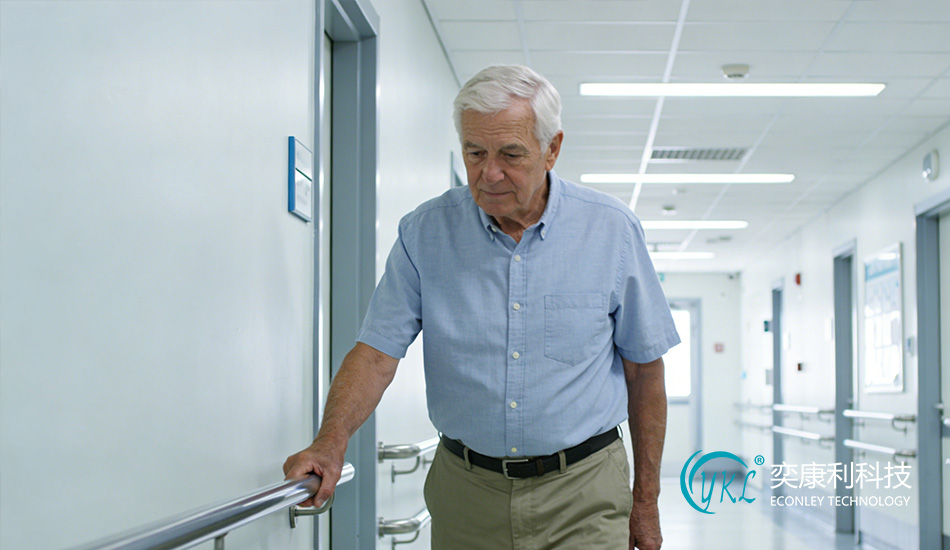
High-quality Accessible Handrail Images should be scientifically classified and professionally presented to maximize utility. From a classification perspective, they can be divided into four types:product detail images (showcasing grip texture, edge design, connection parts), scenario installation images (covering residential, medical, public, outdoor environments), user interaction images (recording how different groups use handrails), and comparison demonstration images (showing correct vs. incorrect installations or accessible vs. non-accessible designs).
In terms of presentation, several essentials should be followed: Firstly, ensure high clarity and true color reproduction to accurately display the handrail’s appearance and material texture, avoiding over-editing that distorts the product. Secondly, highlight functional features without revealing parameters—use close-up shots to showcase anti-slip textures or ergonomic curves, focusing on user benefits rather than technical specifications. Thirdly, select appropriate shooting scenarios: prioritize real application environments over studio backgrounds to help users better imagine the product in use. Finally, add intuitive annotations when necessary, such as indicating the handrail’s applicable groups or key functional areas, without cluttering the image.
Obtaining high-quality, professional Accessible Handrail Images requires selecting reliable channels. Firstly, official brand websites are a primary source: reputable accessible handrail manufacturers usually provide comprehensive image galleries covering product details, scenario installations, and case studies. These images are accurate, consistent with the brand’s positioning, and aligned with accessibility standards. Secondly, specialized design and construction platforms (such as architectural design websites, barrier-free infrastructure portals) feature curated Accessible Handrail Images, often paired with professional design insights and case analyses.
Thirdly, e-commerce platforms for accessibility products offer a wealth of user-generated and merchant-provided Accessible Handrail Images, including real installation effects shared by buyers. Fourthly,industry associations and non-profit organizations (such as accessibility advocacy groups) provide standardized Accessible Handrail Images for public education and policy promotion. For custom needs, collaborating directly with professional photographers or brands to shoot tailored images ensures they match specific scenario requirements or design themes.
To fully leverage the value of Accessible Handrail Images, stakeholders can adopt targeted strategies. For designers and facility managers, establish a categorized image library, organizing images by scenario, product type, or functional feature to streamline the selection and planning process. For brands and merchants, integrate images into a unified marketing system—using consistent visual styles across platforms to enhance brand recognition, and pairing images with user-friendly descriptions to highlight product benefits.
For e-commerce sellers, encourage user-generated content by inviting buyers to share their installation and use images, which builds social proof and enhances trust. For public institutions and advocacy groups, use images in multi-format promotional materials (such as posters, videos, online courses) to expand the reach of barrier-free education. Regularly updating image libraries to include new product models, application scenarios, and design trends ensures the visual assets remain relevant and valuable.
Accessible Handrail Images are more than just visual materials—they are powerful enablers of inclusive design, informed decision-making, and barrier-free advocacy. By comprehensively showcasing the design, function, and application of accessible handrails, these images bridge the gap between products, spaces, and users, supporting the creation of more inclusive environments. Whether for designers pursuing barrier-free excellence, brands promoting accessible products, or the public learning about accessibility, high-quality Accessible Handrail Images are indispensable. If you need guidance on obtaining or creating professional Accessible Handrail Images tailored to your needs, contact us today to connect with experts in accessibility visualization and design.
 Tel :13510328459
 Email :493432861@qq.com
 Phone :0755-82154850/25907050
 Add:205-206, 2nd Floor, Building 2, Xiazao Village Industrial Zone, Gaofeng Community, Dalang Street, Longhua District, Shenzhen City

About

Products
Cases
News
Contact
 493432861@qq.com