Service Hotline:13510328459
 205-206, 2nd Floor, Building 2, Xiazao Village Industrial Zone, Gaofeng Community, Dalang Street, Longhua District, Shenzhen City
Service Hotline:13510328459
205-206, 2nd Floor, Building 2, Xiazao Village Industrial Zone, Gaofeng Community, Dalang Street, Longhua District, Shenzhen City



Time:2026-01-16 Preview:
Accessible handrails are indispensable elements in creating barrier-free, safe spaces for people of all mobility levels. From public buildings to private residences, their applications extend far beyond basic support, adapting to diverse user needs and environmental requirements. Understanding Accessible Handrail Uses is crucial for architects, facility managers, and homeowners aiming to design inclusive environments that prioritize safety, independence, and usability. Unlike standard handrails, accessible handrails are engineered to cater to the needs of elderly individuals, people with disabilities, children, and anyone requiring additional support. This article provides a comprehensive overview of Accessible Handrail Uses, exploring core application dimensions, scenario-specific implementations, adaptive uses for special groups, extended value, and practical tips to maximize their utility.
Accessible Handrail Uses revolve around three core dimensions: safety support, mobility assistance, and navigation guidance. The most fundamental use is safety support, which involves providing stable grip points to prevent falls in high-risk areas such as wet floors, sloped surfaces, or narrow passages. This use is critical for individuals with weakened muscle strength, balance disorders, or those recovering from injuries, as it offers a reliable safety net during daily movements.
The second core use is mobility assistance, enabling users to move independently by redistributing body weight and reducing strain on lower limbs. For wheelchair users, this includes supporting transfers between seats, beds, or vehicles; for the elderly, it facilitates movement between rooms, up and down ramps, or through corridors. The third dimension, navigation guidance, is particularly valuable for visually impaired users—accessible handrails with tactile indicators (such as raised dots or strips) help them identify directions, turns, or key locations like entrances, exits, or restrooms.
In homes, Accessible Handrail Uses are tailored to daily living needs. Bathrooms are the most common application area, where handrails are installed around toilets (to assist with sitting and standing), near showers or bathtubs (to prevent slips on wet surfaces), and beside sinks (for stability during grooming). Bedrooms often feature handrails near beds to help users safely get in and out, especially for elderly or disabled family members. Hallways and staircases use continuous handrails to support movement between floors, with dual-height options to accommodate both adults and children or wheelchair users.
In public buildings such as shopping malls, libraries, schools, and government offices, Accessible Handrail Uses focus on inclusivity and crowd safety. Corridors and waiting areas are equipped with continuous handrails along walls, integrated with seating to assist users in sitting and standing. Stairwells and ramps feature dual-level handrails to cater to diverse user heights, while restrooms and changing facilities use multi-angle handrails to support various activities. In transportation hubs like train stations or airports, accessible handrails are used near boarding gates, ticket counters, and pedestrian crossings to assist users in navigating busy, fast-paced environments.
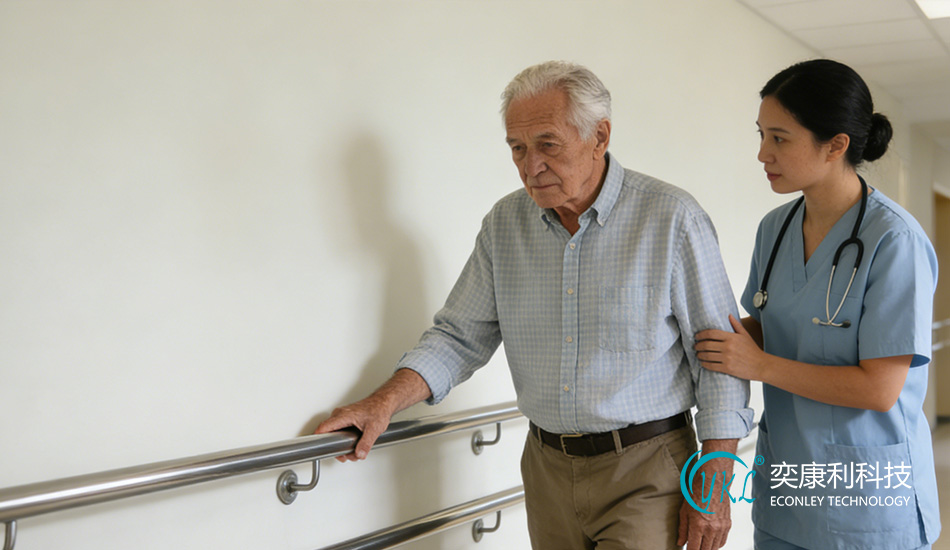
In hospitals, nursing homes, and rehabilitation centers, Accessible Handrail Uses are specialized to align with medical and care needs. Beyond basic support, they are used to assist in patient transfers (e.g., from stretchers to beds or wheelchairs), support rehabilitation training for mobility recovery, and ensure safe movement in high-traffic areas like emergency departments. In elderly care facilities, handrails are integrated into dining areas, activity rooms, and outdoor gardens to support residents’ daily activities and social interactions, promoting independence and quality of life.
Outdoor Accessible Handrail Uses focus on adapting to harsh environmental conditions while maintaining functionality. Parks, sidewalks, and hiking trails use weather-resistant handrails to support users on sloped paths, uneven terrain, or near water features. Public playgrounds integrate accessible handrails near play equipment to assist children with mobility challenges in participating in recreational activities. Outdoor sports facilities, such as swimming pools or sports courts, use anti-slip handrails to support users before and after physical activities, ensuring safety in wet or sweaty conditions.
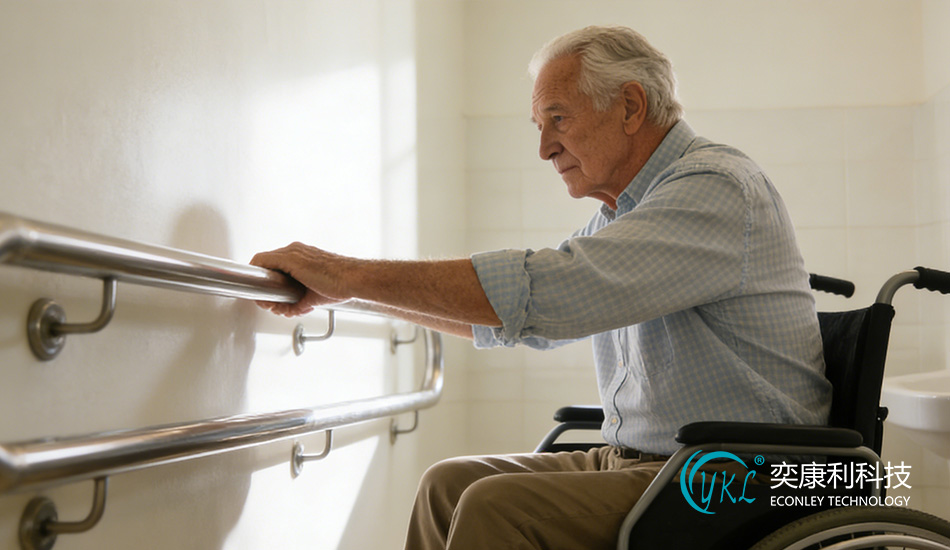
Accessible Handrail Uses are highly adaptable to meet the unique needs of special groups. For visually impaired users, handrails with tactile indicators and high-contrast colors are used to guide navigation and signal key locations. For individuals with upper limb disabilities, extended grip areas and ergonomic designs reduce the effort required to use the handrails, enabling independent movement. For pediatric users, lower handrail heights and rounded grips are used to accommodate their smaller stature and ensure safety during play or movement.
For wheelchair users, accessible handrails are installed at specific heights and distances from walls to support transfers and movement while seated. These adaptive uses ensure that accessible handrails are truly inclusive, catering to the diverse needs of all users and promoting equal access to spaces and activities.
Beyond their direct functional uses, Accessible Handrail Uses offer extended value to individuals and communities. They promote independence and dignity for people with disabilities and the elderly, reducing reliance on caregivers and enabling active participation in social, work, and recreational activities. This fosters social inclusion and equality, aligning with global accessibility standards and human rights principles.
For facility owners and managers, investing in accessible handrails ensures compliance with accessibility regulations (such as ADA guidelines and ISO 14122 standards), avoiding regulatory penalties and enhancing the reputation of the space as inclusive. Additionally, these handrails contribute to risk mitigation by reducing fall-related injuries and potential liability claims, making them a cost-effective investment in long-term safety and usability.
To fully leverage Accessible Handrail Uses, proper installation and maintenance are essential. Firstly, ensure handrails are installed in strategic locations based on user needs—prioritize high-risk areas like bathrooms, stairwells, and entrances. Secondly, choose handrail designs that align with the specific use case: for example, anti-slip surfaces for wet areas and tactile indicators for visually impaired users.
Regular maintenance is also critical to preserve functionality. Inspect handrails regularly for loose connections, wear and tear, or damage, and clean them frequently to remove dirt, moisture, or debris that could compromise grip. Additionally, educate users about the various uses of accessible handrails—especially in public spaces—to promote proper utilization and respect for these essential accessibility features.
Accessible Handrail Uses are diverse and far-reaching, playing a pivotal role in creating inclusive, safe environments for everyone. From core safety support and mobility assistance to adaptive uses for special groups and extended community value, these handrails are more than just structural elements—they are enablers of independence and equality. By understanding and implementing the full range of Accessible Handrail Uses, we can design spaces that cater to the needs of all users, fostering a more inclusive society. For those seeking to enhance the accessibility and safety of their spaces, consulting with professionals to select and install handrails tailored to specific uses and user needs is essential. Contact us today for expert guidance on accessible handrail solutions that maximize utility and inclusivity.
 Tel :13510328459
 Email :493432861@qq.com
 Phone :0755-82154850/25907050
 Add:205-206, 2nd Floor, Building 2, Xiazao Village Industrial Zone, Gaofeng Community, Dalang Street, Longhua District, Shenzhen City

About

Products
Cases
News
Contact
 493432861@qq.com