Service Hotline:13510328459
 205-206, 2nd Floor, Building 2, Xiazao Village Industrial Zone, Gaofeng Community, Dalang Street, Longhua District, Shenzhen City
Service Hotline:13510328459
205-206, 2nd Floor, Building 2, Xiazao Village Industrial Zone, Gaofeng Community, Dalang Street, Longhua District, Shenzhen City



Time:2026-01-16 Preview:
Hospitals are high-stakes environments where the safety and accessibility of every facility directly impacts patient outcomes and care quality. Hospital accessibility handrails are not merely auxiliary structures but core components designed to serve specific, life-centric objectives. Understanding the Purpose of Hospital Accessibility Handrails is essential for healthcare administrators, architects, and care teams to create environments that prioritize patient well-being, support medical workflows, and ensure inclusivity for all users. Unlike accessibility handrails in public or residential spaces, those in hospitals are tailored to the unique demands of medical settings—from accommodating patients with diverse mobility impairments to integrating with critical care equipment. This article delves into the core Purpose of Hospital Accessibility Handrails, exploring their value for patients and staff, scenario-specific objectives, compliance-driven goals, and strategies to maximize their intended impact.
The primary Purpose of Hospital Accessibility Handrails is to safeguard patients with mobility challenges, a group that includes the elderly, post-surgery patients, individuals with disabilities, and those recovering from acute illnesses. Hospitals are rife with fall risks—slippery floors, sudden dizziness from medications, or weakened muscle strength—and these handrails serve as a constant safety net. By providing stable support during movement, they reduce the risk of secondary injuries that could prolong recovery and increase healthcare costs. This safety purpose extends beyond physical support: handrails also offer psychological reassurance, easing patient anxiety about navigating unfamiliar, often intimidating medical environments independently.
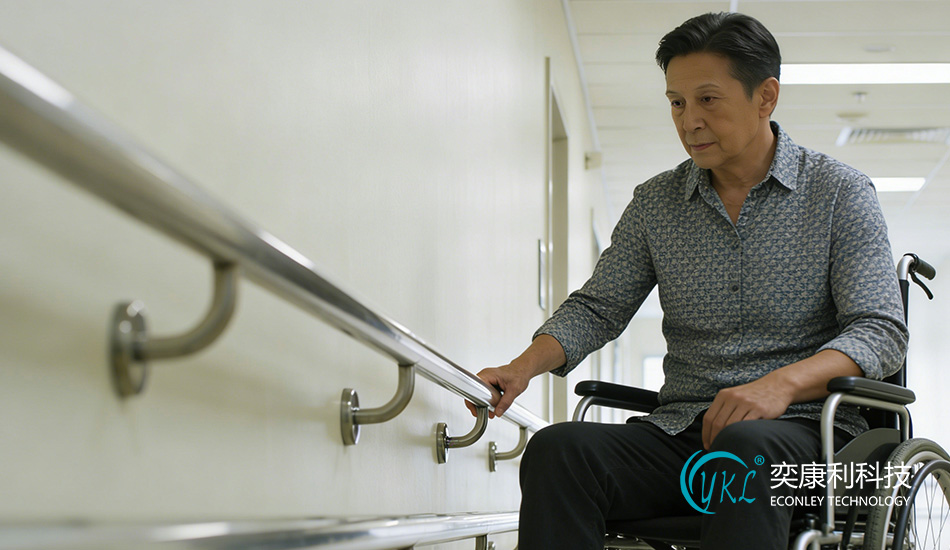
Another pivotal purpose centered on patients is fostering inclusivity. The Purpose of Hospital Accessibility Handrails ensures that all patients, regardless of their mobility status, can access critical medical services equitably. For wheelchair users, those with visual impairments, or individuals with chronic mobility conditions, these handrails eliminate barriers to reaching examination rooms, treatment areas, restrooms, and dining facilities. This inclusivity purpose aligns with the core mission of healthcare—to provide equal care to all, regardless of physical limitations—by empowering patients to maintain a degree of independence amid their medical journey.
Beyond patient-centric goals, the Purpose of Hospital Accessibility Handrails includes enhancing the efficiency and safety of care teams. Medical staff frequently assist patients with transfers—from stretchers to beds, wheelchairs to treatment tables—and handrails provide stable anchor points that reduce the physical strain on caregivers. This not only lowers the risk of musculoskeletal injuries among nurses and therapists but also enables more efficient, dignified patient handling. In high-pressure areas like emergency departments, where every second counts, handrails facilitate smooth patient movement, preventing bottlenecks and ensuring timely access to life-saving care.
Additionally, these handrails support care workflow optimization. The Purpose of Hospital Accessibility Handrails includes compatibility with medical equipment such as wheelchairs, stretchers, and mobility aids, ensuring unobstructed passage in corridors and treatment spaces. By creating clear, accessible pathways, handrails help streamline the movement of both patients and equipment, reducing delays in procedures, medication delivery, and patient transport—all critical to maintaining high-quality care standards.
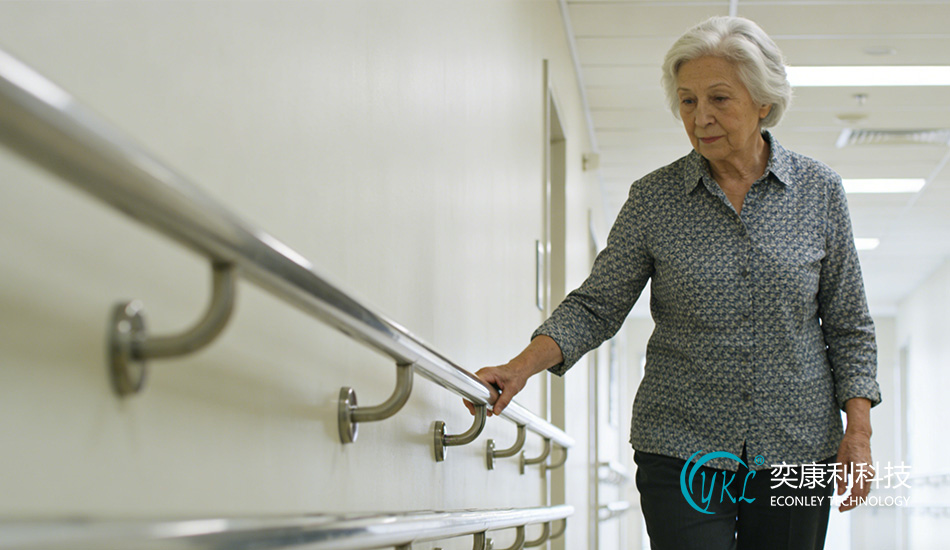
In patient rooms and recovery areas, the Purpose of Hospital Accessibility Handrails is to support independent daily activities and post-surgical recovery. Handrails installed near beds assist patients in safely getting in and out of bed—a crucial step in early mobilization, which is linked to faster recovery. Those in private restrooms help patients with toileting and bathing, reducing reliance on staff and promoting self-care. The design here also serves the purpose of minimizing disruption to care: handrails are positioned to avoid interfering with medical devices like IV stands, monitors, or oxygen tanks, ensuring unobstructed access for staff during treatments.
In corridors, waiting areas, and between departments, the Purpose of Hospital Accessibility Handrails shifts to continuous support and wayfinding. Continuous handrail installation ensures patients have stable support throughout their journey, while tactile indicators (such as raised dots or strips) serve the purpose of guiding visually impaired patients to key locations—examination rooms, pharmacies, or information desks. These handrails also help manage patient flow: by providing a secure path, they reduce congestion and prevent falls in high-traffic areas, supporting the overall purpose of efficient care delivery.
In intensive care units (ICUs), operating rooms, and dialysis centers, the Purpose of Hospital Accessibility Handrails is highly specialized. Here, handrails support patient transfers during critical procedures, ensuring stability for both patients and staff during high-risk movements. They also serve the purpose of infection control: constructed from easy-to-disinfect materials, they help maintain sterile environments essential for preventing healthcare-associated infections. Additionally, handrails in these areas are designed to support the weight of patients with assistive devices, aligning with the purpose of accommodating the most vulnerable patient populations.
A non-negotiable Purpose of Hospital Accessibility Handrails is ensuring compliance with global healthcare accessibility standards, such as ADA (Americans with Disabilities Act) guidelines, ISO 14122 barrier-free design standards, and local medical facility regulations. Compliance is not merely a bureaucratic requirement but a commitment to patient safety and inclusivity. Meeting these standards ensures that handrails are designed to specific height, load-bearing, and anti-slip requirements—all critical to fulfilling their core safety purpose. Non-compliance can lead to regulatory penalties, but more importantly, it puts patients at risk of injury.
Long-term safety is another foundational purpose. Hospital accessibility handrails are built to withstand heavy, frequent use and rigorous cleaning protocols, ensuring they remain functional over time. This durability purpose ensures that the safety net they provide is consistent, reducing the need for frequent replacements and minimizing disruptions to care. Regular maintenance, guided by the purpose of preserving their functionality, ensures that handrails continue to serve their intended role in protecting patients and supporting staff.
To fully realize the Purpose of Hospital Accessibility Handrails, healthcare facilities must adopt a purpose-driven approach to installation and maintenance. This includes conducting a comprehensive needs assessment to identify high-risk areas and patient populations, ensuring handrails are installed in locations that directly address their safety and accessibility goals. Training care teams on the proper use of handrails—including how to assist patients in utilizing them effectively—also enhances their impact.
Additionally, regular audits of handrail functionality and compliance ensure that they continue to meet their intended purpose. Collecting feedback from patients and staff can identify gaps, such as missing handrails in critical areas or designs that hinder rather than support movement. By aligning installation, maintenance, and training with the core Purpose of Hospital Accessibility Handrails, facilities can create environments that truly prioritize patient safety, inclusivity, and care efficiency.
The Purpose of Hospital Accessibility Handrails extends far beyond basic support: it is about creating a healthcare environment that is safe, inclusive, and conducive to healing. From protecting vulnerable patients to supporting care teams, from ensuring regulatory compliance to optimizing medical workflows, every design and installation choice is rooted in these critical objectives. For healthcare administrators seeking to enhance patient outcomes and care quality, recognizing and prioritizing the Purpose of Hospital Accessibility Handrails is a vital step. If you need guidance on designing or upgrading hospital accessibility handrails to fulfill their intended purpose, contact us today. Our team of experts will help you develop tailored solutions that align with the unique needs of your facility and patients.
 Tel :13510328459
 Email :493432861@qq.com
 Phone :0755-82154850/25907050
 Add:205-206, 2nd Floor, Building 2, Xiazao Village Industrial Zone, Gaofeng Community, Dalang Street, Longhua District, Shenzhen City

About

Products
Cases
News
Contact
 493432861@qq.com