Service Hotline:13510328459
 205-206, 2nd Floor, Building 2, Xiazao Village Industrial Zone, Gaofeng Community, Dalang Street, Longhua District, Shenzhen City
Service Hotline:13510328459
205-206, 2nd Floor, Building 2, Xiazao Village Industrial Zone, Gaofeng Community, Dalang Street, Longhua District, Shenzhen City



Time:2026-01-14 Preview:
Hospitals are high-dynamic environments where frequent movement of medical carts, stretchers, and wheelchairs creates constant collision risks. Hospital Crash-Resistant Handrail Standard CAD Drawings have become an indispensable technical foundation for healthcare facility construction, integrating specialized impact protection requirements, ergonomic principles, and industry safety standards into precise, editable design documents. Unlike generic handrail drawings, these standard CAD drawings are tailored to the unique demands of medical settings, ensuring that crash-resistant handrails not only protect patients, staff, and building structures from impact damage but also maintain seamless compliance with strict healthcare regulations. This article explores the core value, key design elements, scenario-specific adaptations, compliance verification standards, and practical application strategies of Hospital Crash-Resistant Handrail Standard CAD Drawings, providing comprehensive guidance for architects, contractors, and healthcare facility managers.
The primary value of Hospital Crash-Resistant Handrail Standard CAD Drawings lies in ensuring structural integrity and impact resistance. Crash-resistant handrails in hospitals must withstand repeated impacts from heavy medical equipment while providing stable support for patients with limited mobility. Standard CAD drawings translate complex crash-resistance performance requirements into detailed structural designs, such as reinforced mounting bracket configurations and impact-absorbing material integration, eliminating potential safety hazards caused by improper design or installation. For construction teams, these drawings provide precise dimensional references and assembly guidelines, reducing rework rates and ensuring that the installed handrails meet the required impact resistance levels.
Another key advantage is facilitating cross-team collaboration and regulatory compliance. Healthcare facilities are subject to rigorous standards such as ADA (Americans with Disabilities Act) guidelines and local medical construction codes, which impose strict requirements on handrail accessibility, hygiene, and durability. Hospital Crash-Resistant Handrail Standard CAD Drawings are developed in full alignment with these standards, providing a unified visual communication tool for designers, contractors, and inspectors. This alignment ensures that every detail of the installation process meets regulatory requirements, helping healthcare facilities avoid non-compliance penalties and enhance their overall safety rating.
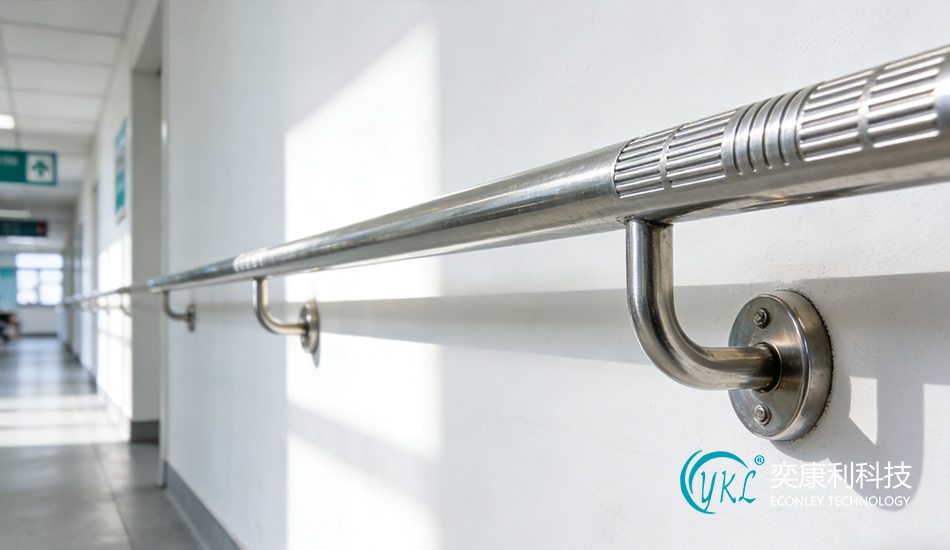
Professional Hospital Crash-Resistant Handrail Standard CAD Drawings contain comprehensive technical details to guide the entire design and construction process. Firstly, they include detailed 2D and 3D structural diagrams that clearly illustrate the composition of crash-resistant handrails, such as the connection between the impact-absorbing outer layer and the reinforced inner core, as well as the layout and fixing method of mounting brackets. These diagrams enable designers and contractors to fully understand the crash-resistant mechanism and ensure accurate implementation.
Secondly, the CAD drawings feature standardized safety details tailored to hospital environments. This includes precise markings for the radius of rounded handrail ends to prevent scratches and hook risks, as well as the spacing of support brackets to ensure structural stability under impact. Critical details such as reinforcement measures for wall connections in high-impact areas (e.g., corridor corners, elevator entrances) are also clearly depicted. Additionally, high-quality Hospital Crash-Resistant Handrail Standard CAD Drawings incorporate material compatibility notes, specifying the selection of corrosion-resistant and antibacterial materials that meet medical hygiene requirements and can withstand frequent disinfection.
Different functional areas in hospitals have unique requirements for crash-resistant handrails, and Hospital Crash-Resistant Handrail Standard CAD Drawings accommodate these needs through targeted adaptations. In emergency departments, where traffic flow is high and equipment movement is frequent, the CAD drawings prioritize handrail durability and collision resistance, specifying reinforced bracket designs and impact-absorbing material combinations to withstand repeated heavy impacts.
In operating rooms and intensive care units (ICUs), the CAD drawings focus on sterile environment compatibility. They specify smooth, seamless handrail surfaces that are easy to disinfect and avoid crevices where bacteria can accumulate. For pediatric wards, the drawings adjust handrail heights to fit children's ergonomic needs while maintaining crash-resistant performance, ensuring the safety of young patients and staff. These scenario-specific adaptations ensure that the handrails meet the functional requirements of each hospital area while maintaining consistent safety standards.
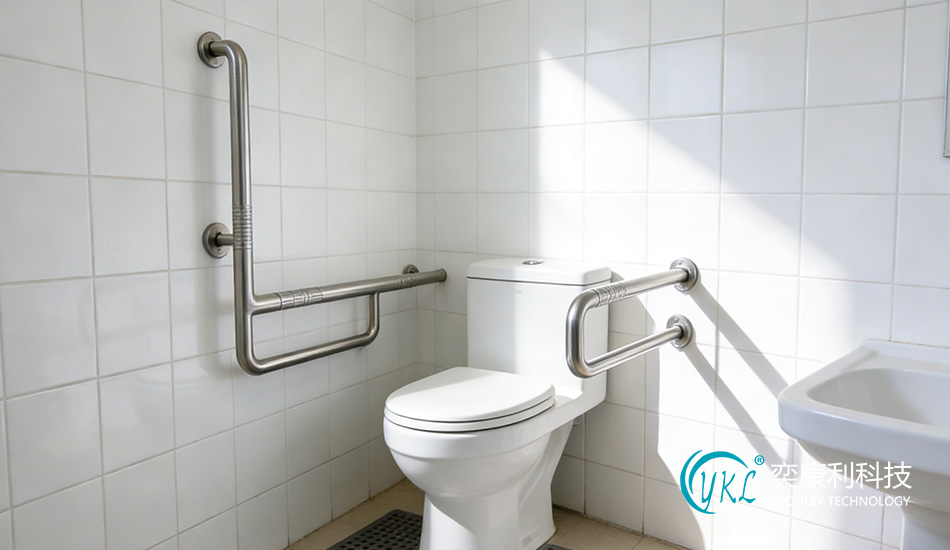
When utilizing Hospital Crash-Resistant Handrail Standard CAD Drawings, verifying compliance with relevant standards is critical. The drawings should be cross-checked against the latest international and local regulations, including ISO standards for impact resistance and ADA accessibility criteria. Key compliance points include handrail stability, load-bearing capacity, and the safety of end treatments, which must adhere to guidelines that prevent bump and hook injuries.
It is also important to ensure that the CAD drawings reflect the latest medical hygiene standards, specifying materials with antibacterial properties that can withstand frequent disinfection protocols. Choosing Hospital Crash-Resistant Handrail Standard CAD Drawings from reputable sources that explicitly state compliance with these standards is a critical step in avoiding regulatory risks and ensuring the safety of healthcare facility users.
To obtain high-quality, compliant Hospital Crash-Resistant Handrail Standard CAD Drawings, it is essential to select trustworthy channels. Official websites of professional crash-resistant handrail manufacturers are a top choice, as many leading manufacturers provide free or low-cost standard CAD drawing resources tailored to their products. These drawings ensure that design details match the material properties and crash-resistant performance of their handrails, including product-specific installation tips.
Industry-specific architectural design platforms and healthcare construction resource libraries also offer a wealth of standardized Hospital Crash-Resistant Handrail Standard CAD Drawings. These platforms curate drawings from professional design firms and regulatory bodies, ensuring alignment with the latest industry standards. When applying the CAD drawings, conduct a pre-construction site assessment to cross-verify the drawings with on-site conditions, including wall structure and existing utilities. Ensure the construction team is proficient in interpreting the drawings, focusing on key crash-resistant design details. After installation, conduct impact resistance tests in accordance with the guidelines in the CAD drawings to confirm compliance.
Hospital Crash-Resistant Handrail Standard CAD Drawings are a cornerstone of safe and compliant healthcare facility construction, bridging the gap between specialized crash-resistant requirements and practical construction implementation. By providing precise, standard-aligned design guidance, these CAD drawings effectively reduce collision risks, ensure regulatory compliance, and streamline the construction process. For healthcare facility stakeholders seeking to enhance safety and efficiency in handrail installation, leveraging high-quality Hospital Crash-Resistant Handrail Standard CAD Drawings is a critical step. If you need access to reliable standard CAD drawing resources or professional customization support, contact us today to connect with authoritative design materials and expert guidance.
 Tel :13510328459
 Email :493432861@qq.com
 Phone :0755-82154850/25907050
 Add:205-206, 2nd Floor, Building 2, Xiazao Village Industrial Zone, Gaofeng Community, Dalang Street, Longhua District, Shenzhen City

About

Products
Cases
News
Contact
 493432861@qq.com