Service Hotline:13510328459
 205-206, 2nd Floor, Building 2, Xiazao Village Industrial Zone, Gaofeng Community, Dalang Street, Longhua District, Shenzhen City
Service Hotline:13510328459
205-206, 2nd Floor, Building 2, Xiazao Village Industrial Zone, Gaofeng Community, Dalang Street, Longhua District, Shenzhen City



Time:2026-01-12 Preview:
Handrails are essential safety and decorative elements in various spaces such as commercial buildings, residential complexes, medical facilities, and public transportation hubs. With the globalization of architectural design, Foreign Handrail Pictures have become an important bridge for spreading global handrail design concepts, showcasing diverse solutions tailored to regional characteristics, functional needs, and aesthetic preferences. Unlike single-region or single-scenario handrail materials, Foreign Handrail Pictures cover a wide range of styles from Europe, America, Asia, and other regions, as well as diverse application scenarios, providing valuable visual references for designers, facility managers, and procurement teams worldwide. This article explores the core value, global design style presentation, multi-scenario reference significance, and selection criteria of Foreign Handrail Pictures, helping relevant professionals grasp global design trends and improve space construction quality.
The primary value of Foreign Handrail Pictures lies in intuitively presenting global handrail design trends. In the context of cross-border architectural exchanges, concepts such as minimalist design, humanized care, and environmental adaptability are constantly integrated into handrail creation. Foreign Handrail Pictures vividly show how these trends are implemented in different regions—for example, the integration of smart sensing functions into European public handrails, or the warm and ageless design of Japanese residential handrails. For domestic designers, these pictures provide a convenient way to learn advanced international experience without on-site inspections, accelerating the localization integration of global design concepts.
Another key value is providing cross-scenario adaptation references. Foreign Handrail Pictures cover commercial, residential, medical, public transportation, and other scenarios, showing targeted handrail designs for different space characteristics. For instance, handrails in high-traffic European shopping malls focus on durability and crowd guidance, while handrails in American senior communities emphasize anti-slip performance and accessibility. These pictures help professionals quickly match handrail solutions suitable for their own project scenarios, reducing the cost of exploration and trial.
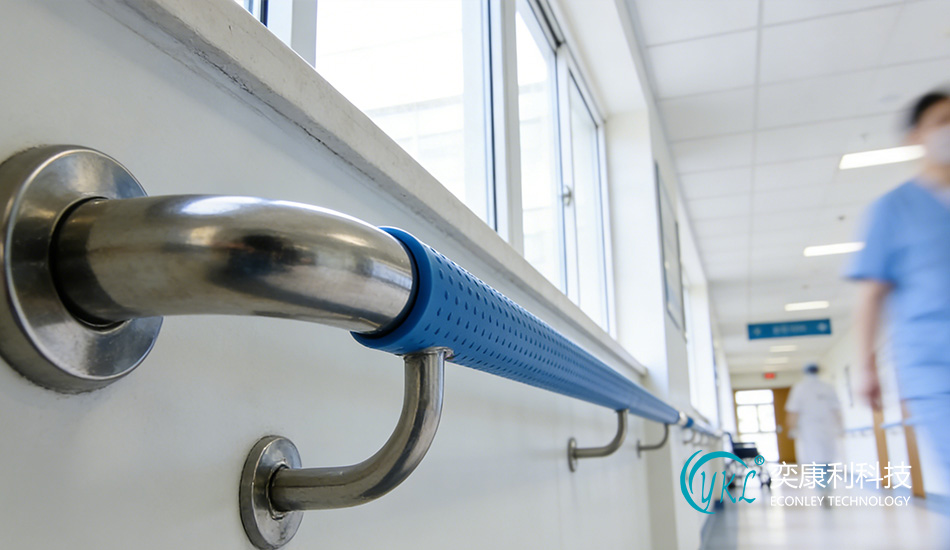
Foreign Handrail Pictures fully display the minimalist and practical characteristics of European and American handrail designs. European handrails, as shown in many pictures, often adopt smooth lines and monochromatic color schemes (such as matte black, silver gray), with hidden connection structures that integrate seamlessly with modern architectural spaces. For example, handrails in German public buildings use anodized aluminum materials, which are corrosion-resistant and easy to clean, and their simple shapes highlight the sense of space hierarchy. American handrail pictures focus on modular design—standardized components can be flexibly combined according to space needs, suitable for large-scale commercial and public projects. Many pictures also show the compliance details of American handrails, such as rounded edges that meet ADA standards, reflecting rigorous safety requirements.
Japanese and South Korean handrail designs in Foreign Handrail Pictures emphasize warmth and humanized care. Japanese residential handrails often use wood-grain composite materials or soft-toned plastics, avoiding the cold feeling of metal materials, and the height and grip diameter are optimized for the elderly and children. Pictures of Korean public handrails show the integration of small functional components, such as handrails with built-in small storage racks or lighting devices, realizing the combination of functionality and aesthetics. In addition, Foreign Handrail Pictures from Southeast Asian regions show designs adapted to hot and humid environments—handrails made of moisture-resistant and anti-mildew materials, with ventilation structures on the surface to prevent moisture accumulation.
Handrail pictures from Oceania focus on environmental friendliness and outdoor adaptation. For example, Australian outdoor public handrails use weather-resistant stainless steel and recycled plastic materials, which can withstand strong ultraviolet radiation and rain erosion. Middle Eastern handrail pictures, on the other hand, highlight luxury and regional cultural characteristics—handrails in high-end hotels and commercial buildings are made of stainless steel inlaid with glass or precious stones, with exquisite carvings that reflect local cultural customs. These pictures show how handrails can be integrated with regional culture to enhance the unique charm of the space.
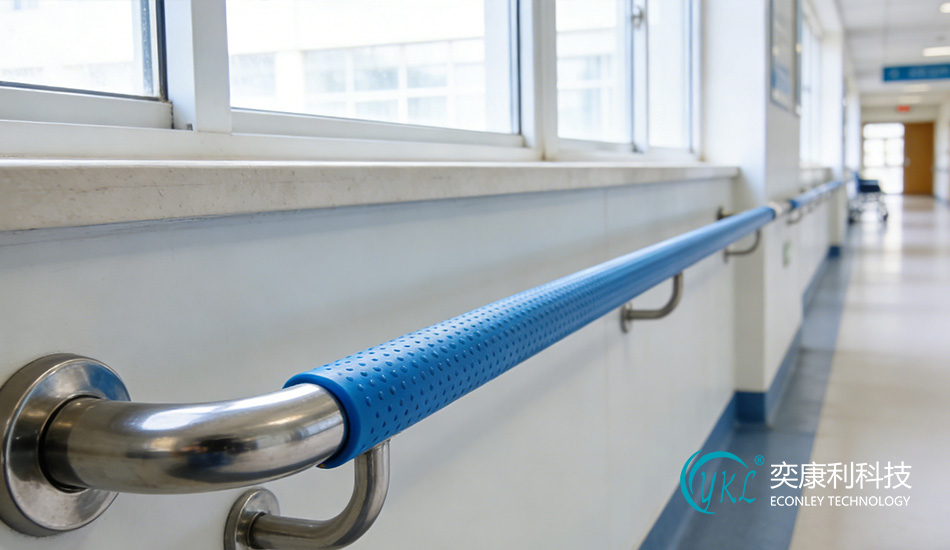
Foreign Handrail Pictures in commercial spaces such as shopping malls and office buildings focus on the coordination of aesthetics and crowd guidance. For example, pictures of Italian shopping mall handrails show curved designs that follow the flow of people, with bright colors that attract attention and guide customers to move in an orderly manner. Handrail pictures in international airports show continuous designs that connect corridors, elevators, and boarding gates, with tactile prompts for visually impaired passengers, forming a comprehensive barrier-free guidance system.
In residential scenarios, Foreign Handrail Pictures highlight comfort and family safety needs. Pictures of Scandinavian residential handrails show simple wooden handrails installed in staircases and balconies, which are integrated with the warm home environment. Handrail pictures in senior-friendly residences in North America show anti-slip designs in bathrooms and beside beds, with adjustable heights to meet the needs of the elderly with different physical conditions. For families with children, foreign residential handrail pictures also show designs with rounded edges and non-toxic materials, ensuring child safety.
Foreign Handrail Pictures in medical and elderly care spaces focus on professionalism and accessibility. Pictures of European hospitals show handrails made of corrosion-resistant and easy-to-disinfect materials, installed around operating rooms and recovery beds to avoid interfering with medical work. Handrail pictures in Japanese elderly care facilities show integrated designs with emergency call buttons, which can send help signals to caregivers in time when the elderly are in danger. These pictures provide professional references for the construction of domestic medical and elderly care facilities.
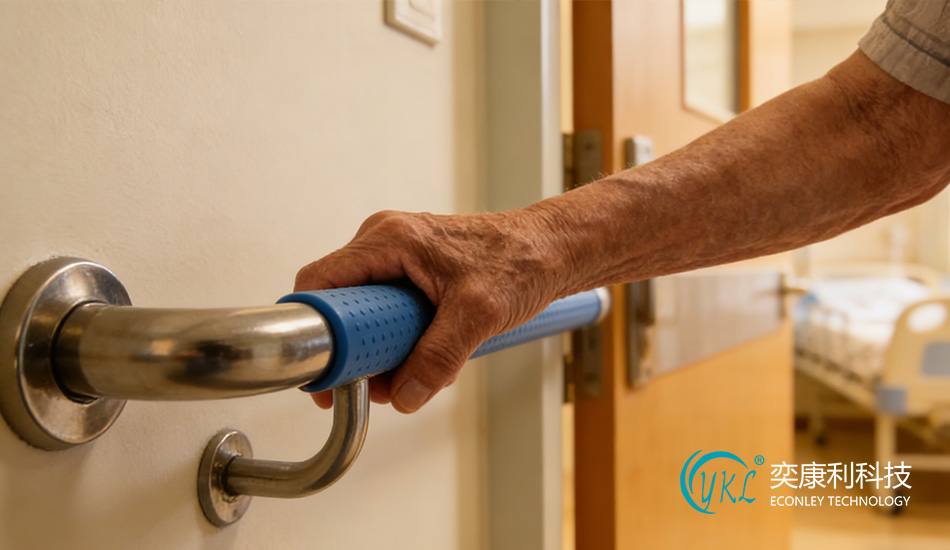
High-quality Foreign Handrail Pictures play an important role in empowering the entire design and construction process. In the early design stage, designers can extract elements from these pictures that conform to the project positioning—for example, referencing the modular design of European handrails to improve space flexibility, or learning from the warm color matching of Japanese handrails to create a comfortable residential environment.
During the communication stage with clients, Foreign Handrail Pictures serve as a universal visual language, helping clients quickly understand the design effect and make decisions. In the construction implementation stage, the detailed presentation in the pictures (such as handrail connection methods and coordination with surrounding decorations) can guide construction teams to carry out precise construction, reducing errors and rework. After the project is completed, these pictures can also be used as important materials for project cases to promote excellent design practices.
When selecting Foreign Handrail Pictures for reference, professionals should focus on three core criteria: authenticity, scenario pertinence, and trend representativeness. Firstly, the pictures must be authentic, reflecting the real installation effect in actual spaces, avoiding excessive retouching that deviates from reality.
Secondly, the pictures should be targeted to the scenario—select pictures that match the project's functional type (such as medical, commercial, residential) to ensure reference value. Finally, prioritize pictures that reflect the latest global design trends (such as intelligent, environmentally friendly, and universal design) and select works from authoritative design platforms or well-known architectural projects to ensure professionalism and reliability. It is also recommended to collect pictures from multiple regions to compare and learn from diverse design concepts.
Foreign Handrail Pictures are not only a display of global architectural aesthetics but also an important carrier of advanced safety and humanized design concepts. They provide a convenient way for domestic professionals to learn from international experience, helping to improve the quality of space design and construction. By in-depth interpreting and utilizing Foreign Handrail Pictures, we can better integrate global advanced concepts with local needs, creating safer, more comfortable, and more personalized spaces. If you need a collection of high-quality Foreign Handrail Pictures or professional design consultation services, contact us today. We will provide targeted resources and technical support to help you achieve excellence in space design.
 Tel :13510328459
 Email :493432861@qq.com
 Phone :0755-82154850/25907050
 Add:205-206, 2nd Floor, Building 2, Xiazao Village Industrial Zone, Gaofeng Community, Dalang Street, Longhua District, Shenzhen City

About

Products
Cases
News
Contact
 493432861@qq.com