Service Hotline:13510328459
 205-206, 2nd Floor, Building 2, Xiazao Village Industrial Zone, Gaofeng Community, Dalang Street, Longhua District, Shenzhen City
Service Hotline:13510328459
205-206, 2nd Floor, Building 2, Xiazao Village Industrial Zone, Gaofeng Community, Dalang Street, Longhua District, Shenzhen City



Time:2026-01-07 Preview:
Navigating life with a wheelchair can be challenging, but the right tools and equipment can significantly enhance safety and independence. One such indispensable tool is the wheelchair wall transfer bar. This simple yet highly effective device can make a world of difference for individuals who use wheelchairs by providing stability and support during transfers. In this article, we'll delve into the benefits, installation, and usage of wheelchair wall transfer bars to help you make informed decisions about incorporating them into your daily routine.
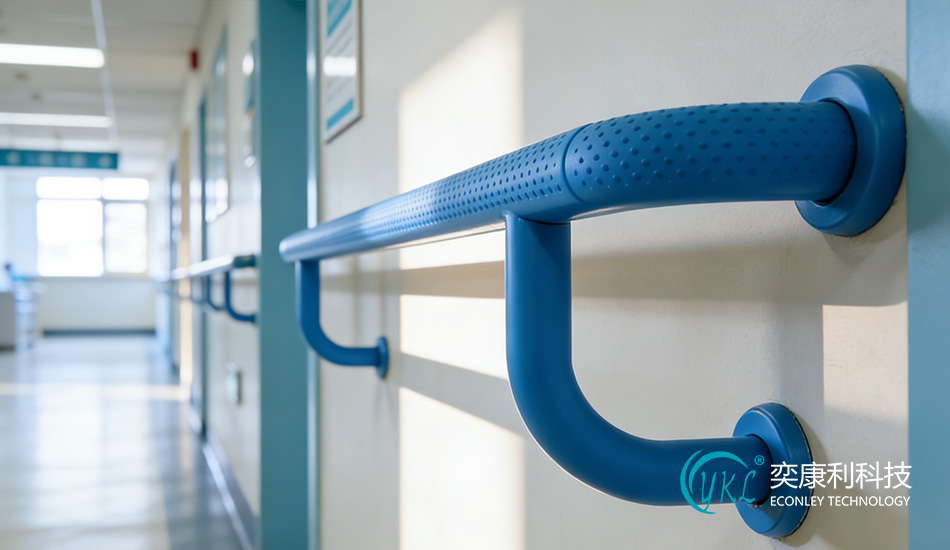
A wheelchair wall transfer bar is a sturdy bar mounted on the wall next to areas where transfers commonly occur, such as beds, toilets, and chairs. It serves as a reliable support system, helping individuals safely move from one position to another. The bar is typically made of durable materials like stainless steel or heavy-duty aluminum, ensuring it can support the user's weight and withstand frequent use.
Wheelchair users often face challenges when transferring between their wheelchair and other surfaces. Without proper support, these transfers can be risky, increasing the likelihood of falls and injuries. A wall transfer bar offers a secure handhold, allowing users to stabilize themselves and exert the necessary force to move safely and confidently.
When selecting a wheelchair transfer bar, it’s essential to consider specific features that ensure both safety and usability.
A transfer bar should be constructed from strong, rust-resistant materials to ensure longevity. Stainless steel and high-grade aluminum are popular choices due to their durability and low maintenance requirements.
Most transfer bars are designed to support a substantial amount of weight. However, it's crucial to check the weight capacity of a bar before purchasing to ensure it meets the user's needs.
The grip design is vital for comfort and safety. Many bars feature a non-slip surface or ergonomic design to provide a secure hold, even if the user's hands are wet or slippery.
Some transfer bars come with adjustable lengths or can be mounted at various angles to accommodate different spaces and user preferences. This flexibility is particularly useful in homes with unique layouts or specific user requirements.
Proper installation of a wheelchair wall transfer bar is critical to ensure safety and effectiveness. Here are some steps to guide you through the installation process.
Identify key areas where transfers occur most frequently, such as next to the bed, in the bathroom, or near a favorite chair. Ensure there is enough wall space to mount the bar securely.
The bar should be installed at a height that is comfortable for the user to reach while seated in their wheelchair. This height varies depending on the individual's arm length and strength, so personalized measurement is crucial.
Using a stud finder, locate the studs in the wall where the bar will be mounted. It's essential to secure the bar to these studs to provide the necessary support. Use heavy-duty screws and follow the manufacturer's instructions for installation.
If you're unsure about installing the bar yourself, consider hiring a professional to ensure it is securely and correctly mounted. A poorly installed bar can be dangerous and fail to provide the needed support.
Integrating a wall transfer bar into your home environment offers numerous advantages, enhancing both safety and independence.
The primary benefit of a transfer bar is the increased safety it provides during transfers. By offering a stable handhold, the bar minimizes the risk of falls and injuries, giving users and their loved ones peace of mind.
With the added support of a transfer bar, wheelchair users can perform transfers more independently. This increased autonomy can significantly improve the user's quality of life, allowing them to navigate their environment with greater ease.
Compared to other mobility aids or home modifications, a wall transfer bar is a relatively affordable investment. It provides significant benefits for a modest cost, making it an attractive option for many households.
Transfer bars are versatile and can be installed in various locations throughout the home. Whether in the bathroom, bedroom, or living room, a well-placed bar can facilitate safer and more manageable transfers.
With numerous options on the market, selecting the right transfer bar may seem daunting. Consider the following factors to make an informed choice:
User Needs: Assess the specific needs of the user, including their weight, height, and transfer habits.
Space Constraints: Evaluate the available space in your home to ensure the bar fits comfortably and doesn't obstruct movement.
Budget: Determine your budget and look for bars that offer the best combination of features and value.
Reviews and Recommendations: Read customer reviews and seek recommendations from healthcare professionals or support groups to find reliable products.
Wheelchair wall transfer bars are a vital addition to the home for individuals who use wheelchairs, offering enhanced safety and greater independence. By understanding the features, installation, and benefits of these bars, you can make informed decisions that improve daily living. Whether you're installing a transfer bar for yourself or a loved one, this guide provides the insights needed to choose and use these essential tools effectively.
 Tel :13510328459
 Email :493432861@qq.com
 Phone :0755-82154850/25907050
 Add:205-206, 2nd Floor, Building 2, Xiazao Village Industrial Zone, Gaofeng Community, Dalang Street, Longhua District, Shenzhen City

About

Products
Cases
News
Contact
 493432861@qq.com