Service Hotline:13510328459
 205-206, 2nd Floor, Building 2, Xiazao Village Industrial Zone, Gaofeng Community, Dalang Street, Longhua District, Shenzhen City
Service Hotline:13510328459
205-206, 2nd Floor, Building 2, Xiazao Village Industrial Zone, Gaofeng Community, Dalang Street, Longhua District, Shenzhen City



Time:2026-01-06 Preview:
Handrails in hospitals play a crucial role in ensuring safety and accessibility for everyone, from patients to staff and visitors. The right handrails can prevent accidents and provide the necessary support for those in need. In this article, we delve into the importance of safety handrails, the process of handrail installation, and where to find the best hospital handrail images to inspire your design choices.
Handrails are not just a decorative addition to hospital corridors and staircases; they are a vital safety feature. Here’s why they are indispensable:
In hospitals, where there’s a constant flow of patients, visitors, and staff, handrails help prevent slips and falls. This is especially important in areas that may become wet or slippery, such as near entrances, restrooms, and cafeterias. Handrails offer stability and support, reducing the risk of accidents.
For individuals with mobility challenges, handrails are crucial. Whether it's someone using crutches, a walker, or simply needing extra support, handrails make it easier for them to navigate the facility safely. Installing handrails at the correct height and ensuring they are easily accessible can significantly enhance the overall accessibility of the hospital.
Healthcare facilities must comply with stringent safety regulations. Installing handrails is often a requirement to meet these standards. Compliance not only ensures safety but also protects the facility from potential legal issues.
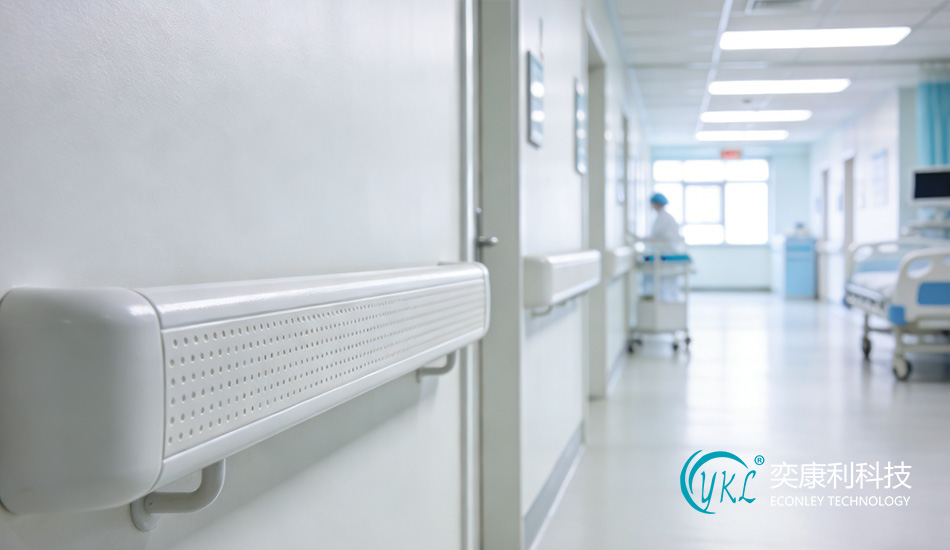
When it comes to installing handrails in a hospital, several factors need to be considered to ensure they are both functional and aesthetically pleasing.
The material of the handrail is crucial for both durability and hygiene. Stainless steel is a popular choice due to its strength and ease of cleaning. Wood can add a warm, comforting touch but may require more maintenance. It’s essential to choose a material that balances functionality and appearance.
While the primary purpose of handrails is safety, they should also complement the hospital’s interior design. The design should integrate seamlessly with the existing decor while maintaining functionality. Handrails come in various styles and finishes, allowing for customization to suit the hospital's aesthetic.
Ensuring handrails are installed correctly is vital. They must be securely fastened to walls and positioned at the appropriate height for ease of use. Professional installation by experienced contractors ensures that the handrails will provide the necessary support and meet safety standards.
Regular maintenance of handrails is essential to ensure they remain in good condition. This includes routine cleaning and inspections to check for any signs of wear or damage. Addressing maintenance needs promptly can prevent future issues and ensure ongoing safety.
Images can serve as a powerful tool in the planning and design process. They provide inspiration and help visualize how different styles and materials will look in a real-world setting. Here are some tips for finding the best hospital handrail images:
Several online platforms offer vast collections of handrail images. Websites like Pinterest, Houzz, and architectural design galleries provide a plethora of images showcasing various styles, materials, and installation settings. Browsing these sites can help you identify trends and gather ideas for your project.
Handrail manufacturers often have image galleries on their websites showcasing their products in real-world installations. These images can give you an idea of how the handrails look once installed and how they integrate with different design styles.
Architects and interior designers frequently showcase their work online. Reviewing their portfolios can provide insights into creative and functional handrail designs. These professionals often push the boundaries of traditional design, offering unique solutions that blend safety with style.
Many hospitals and healthcare facilities highlight their renovations and safety upgrades through case studies or project highlights. These documents often include images of handrail installations and provide context on the decision-making process and the benefits achieved.
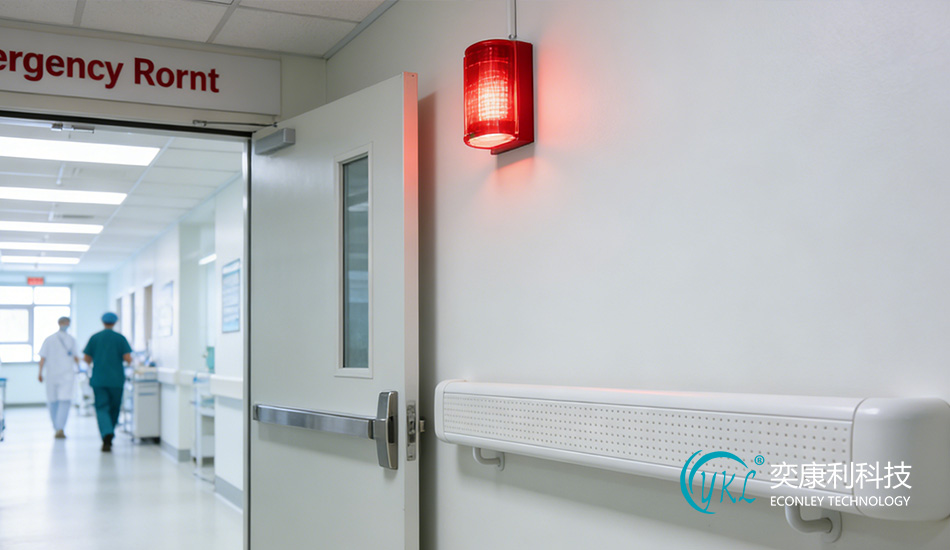
Examining real-world examples of handrail installations can provide valuable insights into best practices and innovative solutions.
Hospital A recently underwent a renovation that included the installation of stainless steel handrails throughout its corridors and staircases. The minimalist design complements the modern decor of the facility, while the durability of the material ensures long-lasting safety and support.
In contrast, Hospital B opted for wooden handrails with a warm finish to create a comforting environment for its patients and visitors. The handrails are strategically placed to enhance accessibility without compromising on the aesthetic appeal of the hospital’s traditional design.
Hospital C incorporated an innovative handrail system that includes built-in lighting for added visibility. This feature enhances safety, particularly in low-light areas, and adds a modern touch to the facility’s design.
Safety handrails are a critical component of hospital design, providing support and preventing accidents. By carefully considering materials, design, and installation techniques, hospitals can ensure that their handrails are both functional and visually appealing. Utilizing resources like online image galleries and professional portfolios can inspire your handrail choices and help create a safer, more accessible environment for all.
Incorporating the right handrails in your hospital not only enhances safety but also contributes to a welcoming and professional atmosphere. With careful planning and execution, handrails can be a seamless part of your hospital’s design and functionality.
 Tel :13510328459
 Email :493432861@qq.com
 Phone :0755-82154850/25907050
 Add:205-206, 2nd Floor, Building 2, Xiazao Village Industrial Zone, Gaofeng Community, Dalang Street, Longhua District, Shenzhen City

About

Products
Cases
News
Contact
 493432861@qq.com