Service Hotline:13510328459
 205-206, 2nd Floor, Building 2, Xiazao Village Industrial Zone, Gaofeng Community, Dalang Street, Longhua District, Shenzhen City
Service Hotline:13510328459
205-206, 2nd Floor, Building 2, Xiazao Village Industrial Zone, Gaofeng Community, Dalang Street, Longhua District, Shenzhen City



Time:2026-01-06 Preview:
In hospitals, safety is a top priority. From patient care to the infrastructure of the building, everything must be designed to prevent accidents and promote healing. One critical aspect of hospital safety involves the use of crash-resistant handrails. These handrails are not only essential for supporting patients and staff but also play a vital role in preventing injuries during unexpected impacts. In this article, we will explore the importance of these safety handrails, how they work, and the significance of the hospital special crash-resistant handrail effect diagram.
Crash-resistant handrails are designed to withstand significant force. They are typically installed in areas with high foot traffic, such as hallways, patient rooms, and staircases. These handrails are engineered to absorb impact, reducing the risk of injury during collisions. By providing a sturdy support system, they help patients and staff maintain balance and prevent falls.
Durability: Made from robust materials like stainless steel or reinforced plastic, these handrails can withstand heavy use and impact.
Impact Absorption: Designed with internal shock absorbers or cushioning materials to reduce the force of an impact.
Ergonomic Design: Shaped to provide a comfortable grip, ensuring easy use for individuals with varying levels of strength and dexterity.
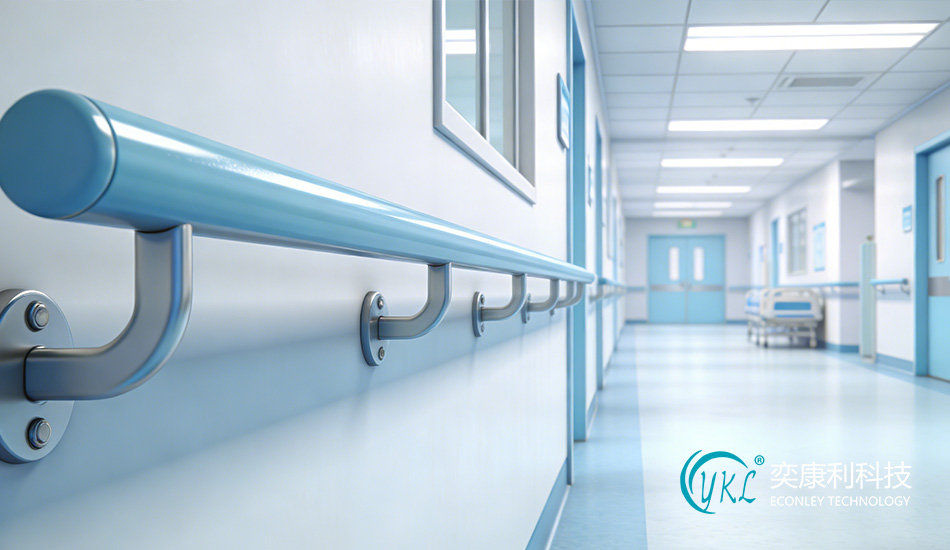
In a hospital setting, the safety of patients and staff is paramount. Safety handrails play a crucial role in maintaining a secure environment. Here’s why they are essential:
Falls are a common hazard in hospitals, particularly among elderly patients or those with mobility issues. By providing a reliable support system, crash-resistant handrails help prevent falls and related injuries.
Handrails offer necessary support for patients as they move around the hospital. Whether they are walking to a treatment room or navigating a hallway, these handrails provide stability and confidence.
Crash-resistant handrails also serve to protect the walls and equipment in a hospital. In the event of a collision, the handrails absorb the impact, minimizing damage to the facility and reducing repair costs.
Crash-resistant handrails are designed with specific features to enhance their protective capabilities. Let's delve into how they function:
These handrails are typically made from materials like stainless steel, aluminum, or reinforced plastic. The choice of material depends on the specific needs of the hospital, such as the level of anticipated impact and aesthetic considerations.
The core of a crash-resistant handrail often includes a shock absorption system. This can be achieved through the use of foam padding, rubber inserts, or specially designed brackets that flex under pressure. This system helps to dissipate the force of an impact, reducing the risk of injury.
The shape and size of the handrail are designed to provide a comfortable and secure grip. This ergonomic design ensures that users, regardless of their physical condition, can easily hold onto the handrail for support.
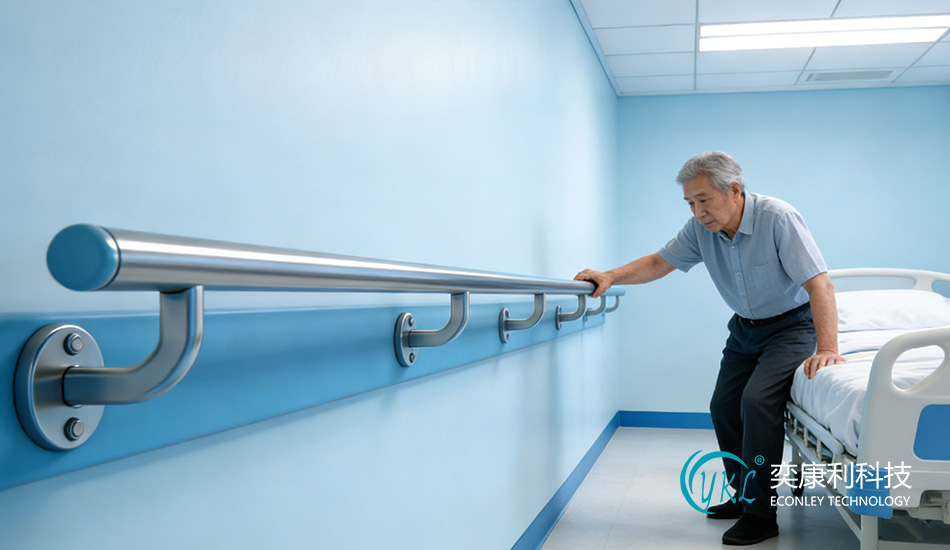
The hospital special crash-resistant handrail effect diagram is a valuable tool for understanding how these handrails function. It visually represents the key components and mechanisms that contribute to the handrail's effectiveness.
Material Layers: Shows the different layers of materials used in the construction of the handrail, including the outer protective layer and inner shock-absorbing components.
Shock Absorption System: Highlights the internal mechanisms that help dissipate impact forces.
Ergonomic Features: Illustrates the design elements that enhance user comfort and safety.
The diagram provides a clear and concise visual representation of the handrail's features and benefits. It serves as a valuable resource for hospital administrators, safety officers, and architects in understanding how to implement these safety features effectively.
Integrating crash-resistant handrails into a hospital's infrastructure requires careful planning and execution. Here are some considerations to keep in mind:
Identify areas within the hospital that experience the most foot traffic and are at higher risk of collisions. These are prime locations for installing crash-resistant handrails.
Select materials that not only provide the necessary durability and impact resistance but also complement the hospital's aesthetic design.
Ensure that the handrails are installed by professionals who understand the specific requirements of crash-resistant systems. Proper installation is crucial for maximizing the handrail's effectiveness.
Conduct regular inspections and maintenance to ensure that the handrails remain in good condition and continue to provide the necessary level of safety and support.
Crash-resistant handrails are an essential component of hospital safety. By providing support and absorbing impact, they help prevent injuries and protect both people and property. The hospital special crash-resistant handrail effect diagram serves as a valuable tool for understanding the functionality and benefits of these handrails. By carefully selecting, installing, and maintaining these systems, hospitals can enhance safety and create a more secure environment for patients and staff alike. As safety standards continue to evolve, crash-resistant handrails remain a crucial investment in the health and well-being of all hospital occupants.
 Tel :13510328459
 Email :493432861@qq.com
 Phone :0755-82154850/25907050
 Add:205-206, 2nd Floor, Building 2, Xiazao Village Industrial Zone, Gaofeng Community, Dalang Street, Longhua District, Shenzhen City

About

Products
Cases
News
Contact
 493432861@qq.com