Service Hotline:13510328459
 205-206, 2nd Floor, Building 2, Xiazao Village Industrial Zone, Gaofeng Community, Dalang Street, Longhua District, Shenzhen City
Service Hotline:13510328459
205-206, 2nd Floor, Building 2, Xiazao Village Industrial Zone, Gaofeng Community, Dalang Street, Longhua District, Shenzhen City



Time:2026-01-06 Preview:
When you think of a hospital, the first images that come to mind are usually doctors, nurses, and patients. But have you ever considered the importance of hospital handrails? These seemingly simple fixtures play a crucial role in ensuring safety and mobility within healthcare facilities. In this article, we'll explore the significance of hospital handrails and provide you with some real photos in HD to give you a better understanding of their design and functionality.
Hospital handrails might not be the first feature you notice when entering a medical facility, but their presence is vital. They are essential for providing support and stability to patients, staff, and visitors. Here's why hospital handrails are so important:
Safety: Handrails help prevent slips and falls, especially in areas where the floor might be wet or slippery. For patients with mobility challenges, handrails offer the necessary support to move safely through the hospital.
Guidance: Handrails serve as a guide for patients and visitors, helping them navigate the often confusing layouts of large hospitals. They can indicate pathways and routes to different departments.
Accessibility: For individuals with disabilities or those using wheelchairs, handrails provide critical assistance. They make it easier for everyone to access different parts of the hospital, promoting inclusivity.
Comfort: Handrails offer a sense of security and comfort to those who need extra support when walking, ensuring that everyone feels safe while moving around the facility.
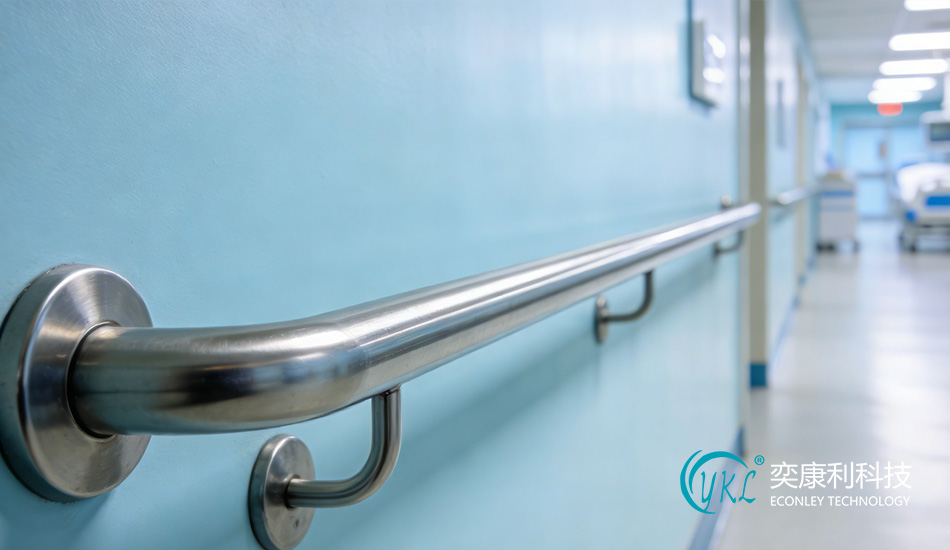
Not all hospital handrails are the same. Different types of handrails are used in hospitals to meet specific needs and requirements. Here are some common types:
These are the most common type of handrails found in hospitals. They are mounted directly onto walls in corridors and hallways. Wall-mounted handrails are designed to be sturdy and durable, providing reliable support for anyone who needs it.
In some cases, hospitals use floor-mounted handrails, especially in areas where wall-mounted options are not feasible. These handrails are secured to the floor, offering stability and support in open spaces like lobbies or large waiting areas.
Integrated handrails are often built into the design of hospital furniture, such as patient beds and examination tables. These handrails offer support to patients while they are in bed or undergoing medical procedures.
Some hospitals require custom-designed handrails to fit unique architectural features or specific patient needs. Custom handrails can be tailored to match the aesthetics of the hospital while providing the necessary functionality.
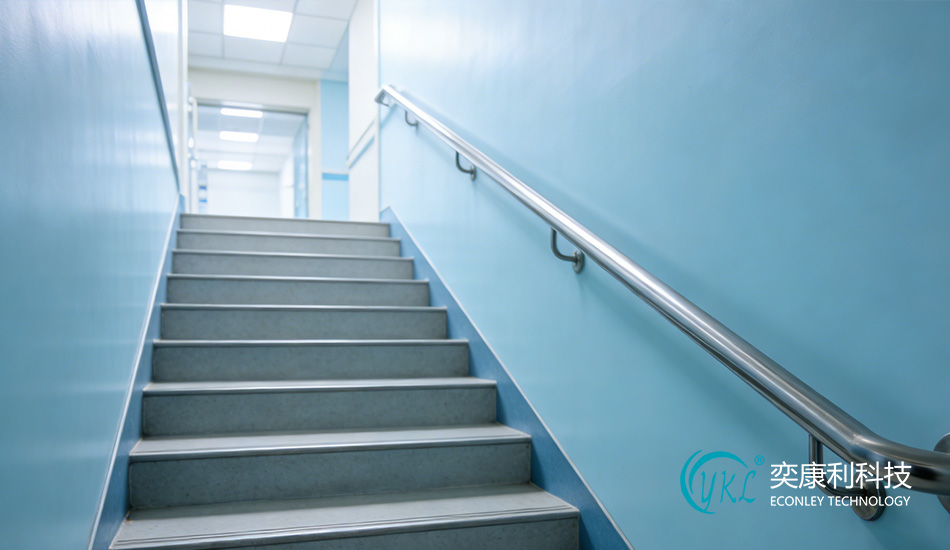
The choice of materials for hospital handrails is critical to ensure both functionality and hygiene. Here are some common materials used:
Stainless steel is a popular choice for hospital handrails due to its durability and resistance to corrosion. It is easy to clean and maintain, making it ideal for healthcare settings where hygiene is paramount.
While less common in modern hospitals, wooden handrails can still be found in some facilities. Wood offers a warm and natural look, providing a comforting environment for patients and visitors.
Plastic and composite materials are often used for handrails in areas where moisture and humidity are concerns, such as bathrooms and shower rooms. These materials are resistant to water damage and easy to clean.
Aluminum handrails are lightweight and corrosion-resistant, making them suitable for both indoor and outdoor use. They offer a sleek and modern appearance while providing reliable support.
Design plays a significant role in the effectiveness of hospital handrails. The design must consider factors such as height, grip, and placement to ensure maximum usability and safety. Here are some design considerations:
Handrails should be designed with ergonomics in mind, providing a comfortable grip for users. The shape and size of the handrail should accommodate a wide range of users, including those with limited hand strength.
The placement of handrails is crucial to their effectiveness. They should be installed at a height that is accessible to all users, including children and individuals in wheelchairs. Strategic placement ensures that handrails are available where they are needed most.
While functionality is the primary concern, aesthetics should not be overlooked. Handrails that complement the overall design of the hospital can contribute to a welcoming and professional atmosphere.
To better understand the role and design of hospital handrails, let's take a look at some real photos in HD. These images showcase different types of handrails in various hospital settings, highlighting their importance and functionality.
Hospital Corridor: A long corridor with stainless steel wall-mounted handrails on both sides. The handrails provide support for patients and staff as they move through the hospital.
Waiting Area: A floor-mounted handrail in a spacious waiting area, offering stability for patients and visitors while they wait for appointments.
Patient Room: An integrated handrail on a patient bed, designed to assist patients in sitting up or moving to a standing position.
Bathroom: A plastic handrail installed in a hospital bathroom, providing support for patients with mobility challenges.
Hospital handrails may seem like a small detail, but they play a crucial role in ensuring the safety and accessibility of healthcare facilities. By understanding the different types and materials of handrails, as well as their design considerations, we can appreciate their significance in hospital settings. The real photos in HD provided in this article offer a glimpse into the world of hospital handrails, highlighting their importance in promoting safety and comfort for everyone who walks through a hospital's doors.
 Tel :13510328459
 Email :493432861@qq.com
 Phone :0755-82154850/25907050
 Add:205-206, 2nd Floor, Building 2, Xiazao Village Industrial Zone, Gaofeng Community, Dalang Street, Longhua District, Shenzhen City

About

Products
Cases
News
Contact
 493432861@qq.com