Service Hotline:13510328459
 205-206, 2nd Floor, Building 2, Xiazao Village Industrial Zone, Gaofeng Community, Dalang Street, Longhua District, Shenzhen City
Service Hotline:13510328459
205-206, 2nd Floor, Building 2, Xiazao Village Industrial Zone, Gaofeng Community, Dalang Street, Longhua District, Shenzhen City



Time:2026-01-05 Preview:
The safety and well-being of elderly residents are the cornerstones of high-quality nursing home operations. As a fundamental safety facility, Nursing Home Handrail plays a pivotal role in mitigating fall risks, supporting independent mobility, and fostering a sense of security for seniors. Unlike generic handrails designed for public spaces, Nursing Home Handrail is tailored to the unique physiological characteristics of the elderly—such as weakened muscle strength, poor balance, and reduced mobility—integrating ergonomic design with scenario-specific functionality. It is not merely an auxiliary structure but a core component of a comprehensive elderly care safety system, working in tandem with anti-slip flooring, emergency response systems, and elderly-friendly furniture. This article explores the core value, full-scenario adaptive solutions, humanized design highlights, compliance guarantees, and scientific selection strategies of Nursing Home Handrail, providing practical guidance for nursing home administrators and facility management teams.
The primary value of Nursing Home Handrail lies in its role as a frontline defense against falls. Elderly residents, particularly those with osteoporosis, arthritis, or post-stroke sequelae, are highly vulnerable to injuries from falls during daily activities. Nursing Home Handrail provides stable, continuous support for seniors when standing up, walking, climbing stairs, or using the bathroom, effectively reducing the risk of loss of balance. Its anti-slip grip and sturdy structure offer reassurance, enabling seniors to move with greater confidence and reducing their fear of falling.
Beyond physical safety, Nursing Home Handrail also safeguards the dignity and independence of the elderly. Many seniors strive to maintain self-reliance in daily routines, and the presence of reliable handrails allows them to complete tasks such as toileting, bathing, and walking without constant caregiver assistance. This independence enhances their self-esteem and emotional well-being, contributing to a higher quality of life. For nursing homes, well-designed Nursing Home Handrail also optimizes care efficiency, allowing caregivers to focus on more specialized care tasks rather than constant mobility assistance.
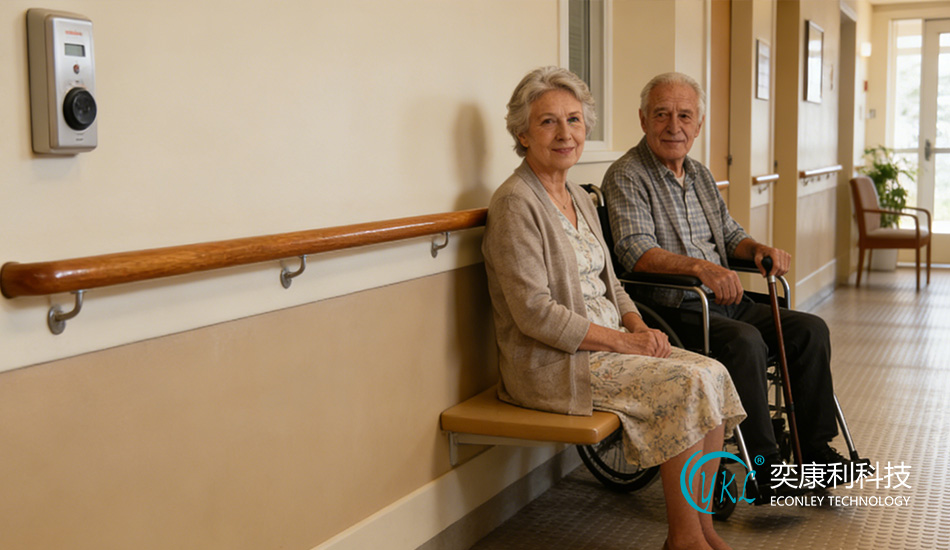
Nursing Home Handrail requires systematic deployment across all key functional zones to ensure comprehensive safety coverage. In bedrooms, bed-side Nursing Home Handrail is designed to assist seniors in transitioning from lying to sitting and standing positions. These handrails are often foldable to save space and facilitate caregiver access during bed-making or medical care, while maintaining sturdy support when in use.
Bathrooms, the highest-risk area for falls in nursing homes, require specialized Nursing Home Handrail configurations. U-shaped handrails around toilets provide multi-angle support for sitting and standing, while vertical or horizontal handrails beside showers and sinks prevent slips on wet surfaces. These handrails are made of moisture-resistant, corrosion-proof materials to withstand the humid environment and frequent cleaning. In corridors and stairwells, continuous double-sided Nursing Home Handrail is installed, extending beyond the top and bottom steps to provide seamless support throughout the movement process. For rehabilitation areas, adjustable-height handrails are used to accommodate different stages of seniors’ physical recovery, supporting walking training and muscle strength exercises.
High-quality Nursing Home Handrail incorporates thoughtful humanized design elements to enhance comfort and usability for the elderly. The grip diameter is optimized to fit the average size of seniors’ hands, reducing hand fatigue during prolonged use. The surface is treated with a soft, non-slip texture that ensures a firm hold even when hands are sweaty or dry, avoiding slippage that could lead to falls.
Height adjustment is another key humanized feature—many Nursing Home Handrail models can be tailored to match the height of individual residents, ensuring they do not need to overreach or bend excessively to grasp the handrail. For seniors with mild cognitive decline, handrails can be color-coded or marked with simple, clear icons (e.g., toilet, bedroom) to assist with wayfinding. All edges and connection points are rounded and smooth, eliminating sharp corners that could cause scratches or injuries.
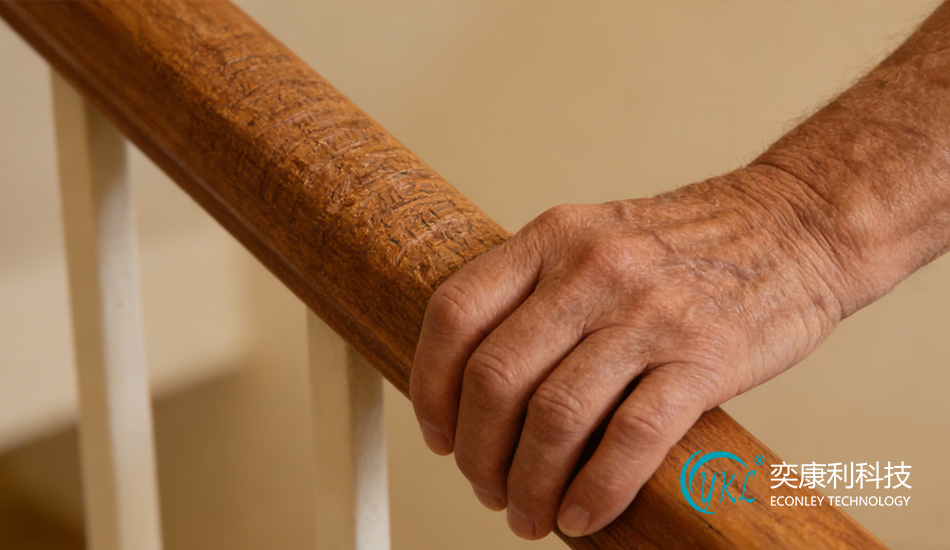
Professional Nursing Home Handrail strictly adheres to international and national safety standards for elderly care facilities, such as ISO 14122 (Barrier-Free Design for Buildings) and the ADA (Americans with Disabilities Act) Standards. These standards regulate critical aspects such as load-bearing capacity, material safety, anti-slip performance, and installation height, ensuring the handrails meet the rigorous safety requirements of nursing home environments.
In addition to compliance, regular maintenance is essential to ensure the long-term safety of Nursing Home Handrail. Nursing homes should establish a routine inspection system to check for loose fasteners, wear and tear, or corrosion. The handrail surface should be cleaned and disinfected regularly to prevent the spread of bacteria, using mild cleaners that do not damage the material. Reputable suppliers of Nursing Home Handrail often provide maintenance guidelines and after-sales support, helping nursing homes maintain the functionality and safety of the handrails over time.
When selecting Nursing Home Handrail, nursing home teams should prioritize three core factors: scenario adaptability, user comfort, and safety compliance. Firstly, match the handrail type to the specific scenario—for example, foldable handrails for bedrooms, moisture-resistant handrails for bathrooms, and adjustable handrails for rehabilitation areas.
Secondly, consider the comfort needs of the elderly population. Test the grip texture and height adjustability to ensure the handrails are suitable for seniors with varying physical conditions. Finally, verify that the handrails meet relevant safety standards and come with complete certification documents. Choose suppliers with experience in elderly care facility projects, as they can provide personalized recommendations based on the nursing home’s layout and resident needs.
Nursing Home Handrail is an indispensable element of a safe, dignified, and high-quality elderly care environment. Its systematic deployment across all scenarios, combined with humanized design and strict compliance, creates a comprehensive safety net for elderly residents. By selecting the right Nursing Home Handrail solutions, nursing homes can enhance resident safety, support independence, and elevate the overall standard of care. If you are a nursing home administrator seeking high-quality Nursing Home Handrail and integrated elderly care safety solutions, contact us today. We will provide personalized design recommendations, complete compliance documents, and professional technical support, helping you build a safer and more caring environment for your residents.
 Tel :13510328459
 Email :493432861@qq.com
 Phone :0755-82154850/25907050
 Add:205-206, 2nd Floor, Building 2, Xiazao Village Industrial Zone, Gaofeng Community, Dalang Street, Longhua District, Shenzhen City

About

Products
Cases
News
Contact
 493432861@qq.com