Service Hotline:13510328459
 205-206, 2nd Floor, Building 2, Xiazao Village Industrial Zone, Gaofeng Community, Dalang Street, Longhua District, Shenzhen City
Service Hotline:13510328459
205-206, 2nd Floor, Building 2, Xiazao Village Industrial Zone, Gaofeng Community, Dalang Street, Longhua District, Shenzhen City



Time:2025-12-31 Preview:
Navigating the world can present unique challenges for individuals with disabilities. One of the simplest yet most effective ways to enhance safety and mobility is through the installation of handrails. Handrails are an essential support system that can significantly improve accessibility and independence for disabled persons. In this article, we'll explore the benefits of handicap handrails, how to install them, and key considerations to keep in mind.
Handrails provide crucial support for individuals with limited mobility. They offer a stable grip that can prevent falls and assist with balance, making everyday tasks easier and safer. Whether it's climbing stairs, navigating ramps, or moving through a hallway, handrails are an indispensable tool for enhancing mobility.
For many disabled individuals, safety and independence are paramount. Handrails contribute to both by providing the necessary support to perform tasks independently. This increased independence can lead to improved confidence and quality of life. Moreover, by reducing the risk of falls, handrails help prevent injuries that could otherwise limit mobility further.
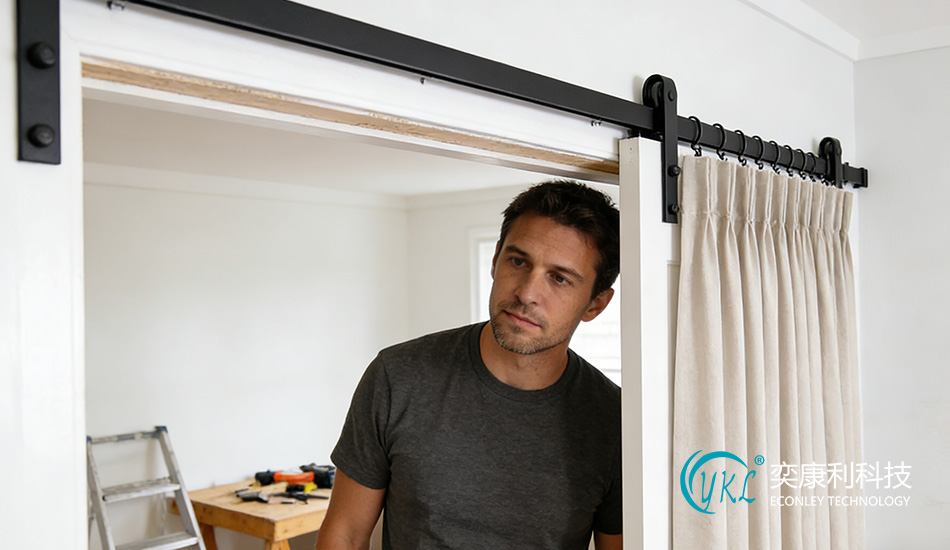
When selecting a handrail, it's important to consider the material. Common materials include wood, metal, and plastic. Each has its advantages:
Wood: Offers a warm, natural look and a comfortable grip. However, it may require more maintenance to prevent wear and tear.
Metal: Durable and strong, metal handrails are ideal for high-traffic areas. They often require less maintenance than wood.
Plastic: Lightweight and easy to clean, plastic handrails are a good choice for indoor use.
The design of a handrail can also impact its functionality. Here are some considerations:
Shape: Round handrails are generally more comfortable to grip than square or rectangular ones.
Diameter: Ensure the handrail is of a suitable diameter for easy grasping by the user.
Length and Height: The handrail should extend the full length of the stairs or ramp and be installed at a height that is comfortable for the user.
Handrail Installation: What You Need to Know
Planning and Preparation
Before installing a handrail, thorough planning is essential. Consider the following steps:
Assess the Area: Determine where the handrail is needed and measure the space accurately.
Choose the Right Type: Select a handrail type that suits the area and the needs of the user.
Check Regulations: Ensure compliance with local building codes and regulations regarding handrail installation.
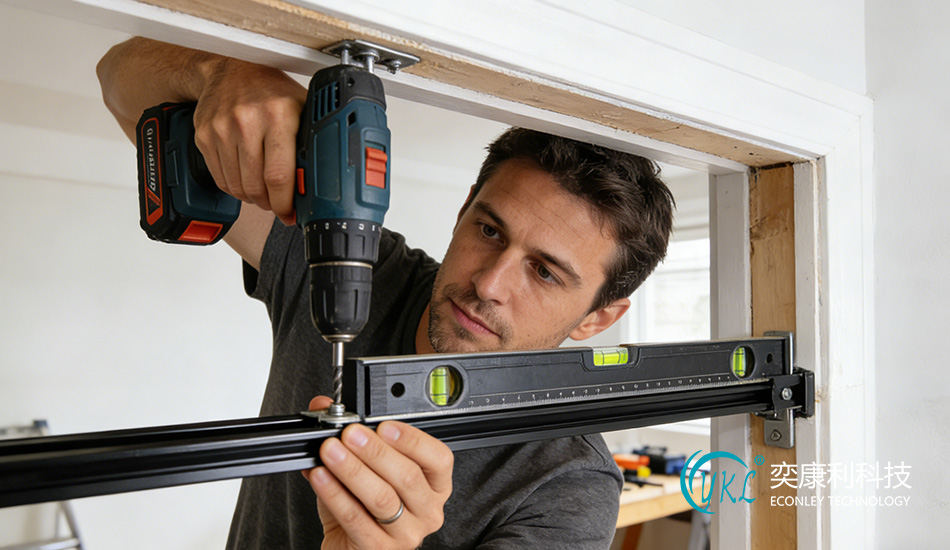
Installing a handrail involves several key steps:
Marking the Position: Use a level to mark the desired height on the wall. Ensure the marks are level throughout.
Installing Brackets: Secure the brackets to the wall at the marked positions. Make sure they are firmly anchored into the wall studs for stability.
Attaching the Handrail: Once the brackets are in place, attach the handrail securely. Check to ensure that it is level and firmly attached.
While some may opt for DIY installation, hiring a professional can ensure the handrail is installed correctly and safely. Professionals have the expertise to handle any challenges that may arise during installation, such as uneven surfaces or unusual angles.
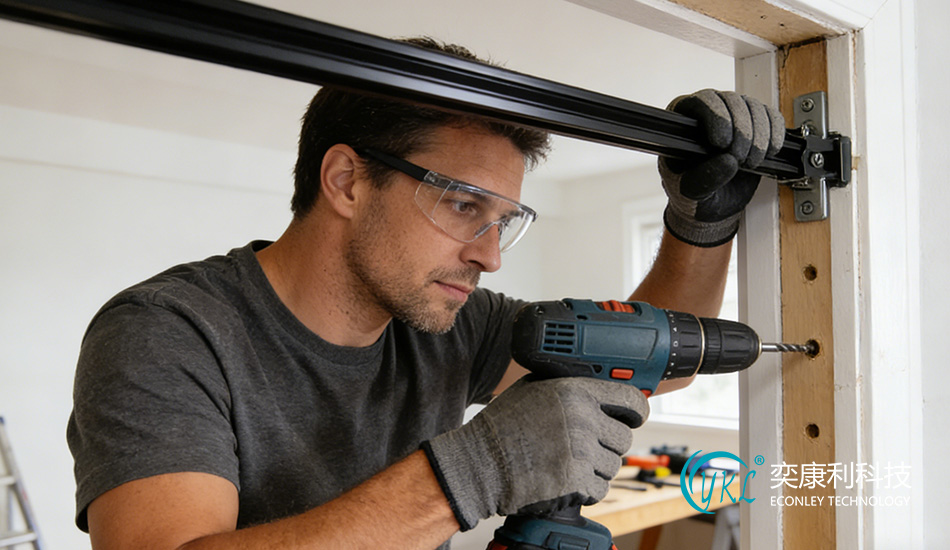
To ensure continued safety and functionality, regular inspections of handrails are important. Check for any signs of wear, such as loose brackets or damage to the rail itself. Address any issues promptly to maintain the integrity of the handrail.
Keeping handrails clean is essential, especially in high-traffic areas. Use a mild detergent and a soft cloth to clean the surface regularly. For metal handrails, consider applying a protective coating to prevent rust.
Handrails are a simple yet powerful tool for enhancing the safety and independence of disabled individuals. By choosing the right materials and design, and ensuring proper installation and maintenance, handrails can provide invaluable support. Whether in a home, office, or public space, investing in quality handrails is a step towards a more inclusive and accessible environment.
In conclusion, handrails are more than just a structural element; they are a lifeline for many. By understanding the importance of handrails and taking the necessary steps to install and maintain them, we can create safer spaces for everyone.
 Tel :13510328459
 Email :493432861@qq.com
 Phone :0755-82154850/25907050
 Add:205-206, 2nd Floor, Building 2, Xiazao Village Industrial Zone, Gaofeng Community, Dalang Street, Longhua District, Shenzhen City

About

Products
Cases
News
Contact
 493432861@qq.com