Service Hotline:13510328459
 205-206, 2nd Floor, Building 2, Xiazao Village Industrial Zone, Gaofeng Community, Dalang Street, Longhua District, Shenzhen City
Service Hotline:13510328459
205-206, 2nd Floor, Building 2, Xiazao Village Industrial Zone, Gaofeng Community, Dalang Street, Longhua District, Shenzhen City



Time:2025-12-31 Preview:
Creating a safe and accessible bathroom environment for individuals with disabilities is crucial. One essential component of this setup is the specialized handrail, commonly known as a grab bar. Proper installation and use of these grab bars can significantly enhance safety and independence in the bathroom. In this article, we'll explore the importance of disabled bathroom handrails, guide you through grab bar installation, and offer insights into choosing the right bathroom grab bar for your needs.
Bathroom with grab barsDisabled bathroom handrails, or grab bars, provide the necessary support and stability for individuals with mobility challenges. These handrails are essential for preventing slips and falls, which are common in bathroom settings due to wet and slippery surfaces. By offering a sturdy point of support, grab bars help users maintain balance and move more confidently within the bathroom.
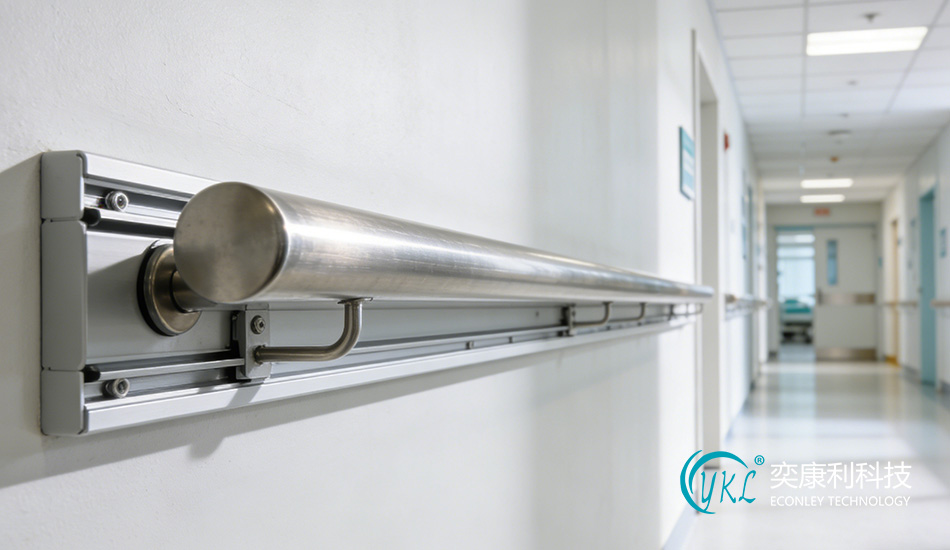
The primary benefit of installing grab bars in a bathroom is enhanced safety. Bathrooms, with their smooth tiles and frequent water usage, can be hazardous, particularly for those with limited mobility. Grab bars provide the much-needed support to sit, stand, and move around safely. Moreover, they promote independence by allowing individuals to perform daily tasks without needing constant assistance.
In many regions, accessibility standards require the installation of grab bars in public restrooms and private homes where individuals with disabilities reside. These regulations are in place to ensure that bathrooms are safe and accessible to everyone, regardless of physical ability. Installing grab bars not only meets legal requirements but also demonstrates a commitment to inclusivity and accessibility.
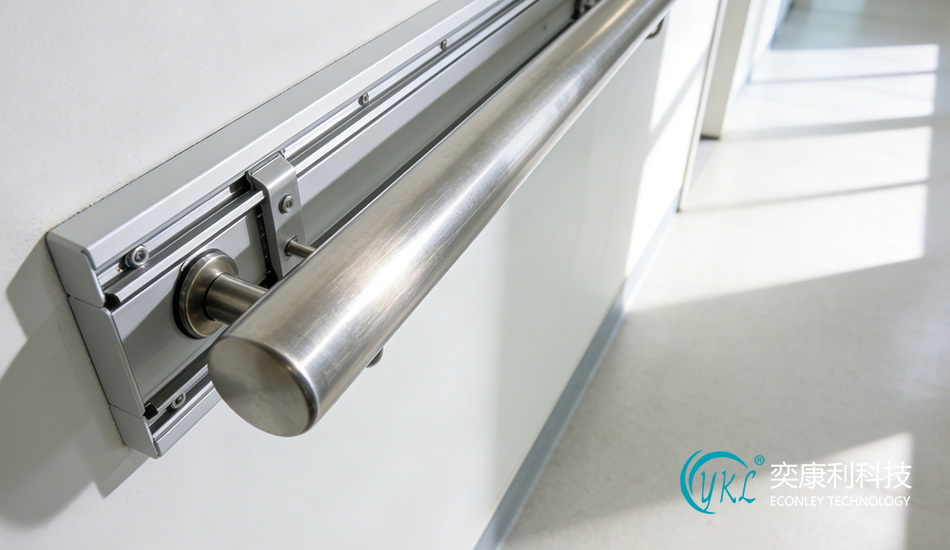
Types of grab barsWhen choosing a grab bar, it's important to consider the specific needs of the user and the layout of the bathroom. Here are some common types of grab bars:
Straight grab bars are the most common type and can be installed horizontally, vertically, or diagonally. They offer versatile support in various locations, such as next to the toilet or inside the shower.
Curved Grab Bars
Curved grab bars are designed to fit around specific bathroom features, such as corners or fixtures. They provide support while maximizing space and accessibility.
Flip-up grab bars can be folded against the wall when not in use, making them ideal for bathrooms with limited space. They are often installed near toilets to assist with sitting and standing.
Suction cup grab bars are a temporary solution that can be installed without drilling. However, they are not recommended for long-term use or for supporting full body weight, as they may not adhere securely over time.
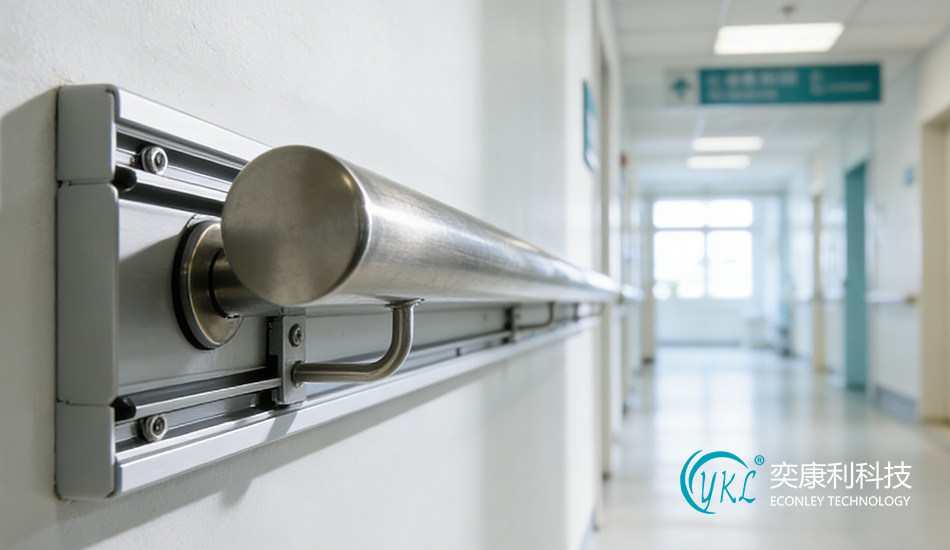
Proper installation of grab bars is crucial to ensure they provide the necessary support and safety. Here's a step-by-step guide on how to install a bathroom grab bar:
Before you begin, gather the following tools and materials:
Drill
Screwdriver
Level
Stud finder
Measuring tape
Grab bar with mounting hardware
Choose the Location: Determine the best locati0n for the grab bar based on the user's needs and bathroom layout. Common locations include near the toilet, inside the shower, and along the bathtub.
Find the Studs: Use a stud finder to locate the wall studs. Installing the grab bar into a stud is essential for secure support.
Mark the Mounting Points: Hold the grab bar against the wall in the desired position and use a level to ensure it is straight. Mark the mounting points on the wall with a pencil.
Drill Pilot Holes: Drill pilot holes at the marked locations to make it easier to insert the screws.
Attach the Grab Bar: Align the grab bar with the pilot holes and use the provided screws to attach it securely to the wall. Ensure the bar is tightly fastened and does not wobble.
Test the Installation: After installation, test the grab bar by applying weight to ensure it is secure and can support the user's needs.
Selecting the right grab bar involves considering several factors:
Grab bars are available in various materials, such as stainless steel, plastic, and aluminum. Stainless steel is a popular choice due to its durability and resistance to rust. The finish of the grab bar should also complement the bathroom's decor.
The length and diameter of the grab bar should suit the user's needs and the available space. Longer bars provide more support, while the diameter should be comfortable for the user to grip.
Ensure that the grab bar can support the user's weight. Most grab bars are designed to hold up to 250 pounds, but some are rated for higher weights.
If you are installing grab bars in a commercial setting or for a public facility, ensure they meet the Americans with Disabilities Act (ADA) standards for accessibility.
To ensure the longevity and effectiveness of grab bars, regular maintenance is necessary. Clean the bars frequently to prevent the buildup of soap scum and grime. Additionally, periodically check the installation to ensure the bars remain securely fastened to the wall.
Bathroom grab bars are an essential feature for any bathroom used by individuals with disabilities or mobility challenges. They enhance safety, promote independence, and ensure compliance with accessibility standards. By understanding the types of grab bars available, proper installation techniques, and maintenance requirements, you can create a safer and more accessible bathroom environment.
If you're considering installing grab bars in your bathroom, take the time to assess the specific needs and preferences of the user. A well-chosen and properly installed grab bar can make a world of difference in enhancing safety and quality of life.
 Tel :13510328459
 Email :493432861@qq.com
 Phone :0755-82154850/25907050
 Add:205-206, 2nd Floor, Building 2, Xiazao Village Industrial Zone, Gaofeng Community, Dalang Street, Longhua District, Shenzhen City

About

Products
Cases
News
Contact
 493432861@qq.com