Service Hotline:13510328459
 205-206, 2nd Floor, Building 2, Xiazao Village Industrial Zone, Gaofeng Community, Dalang Street, Longhua District, Shenzhen City
Service Hotline:13510328459
205-206, 2nd Floor, Building 2, Xiazao Village Industrial Zone, Gaofeng Community, Dalang Street, Longhua District, Shenzhen City



Time:2025-12-31 Preview:
In today's world, creating an inclusive environment is more important than ever. One way to achieve this is by installing barrier-free safety handrails, both indoors and outdoors. These handrails play a crucial role in ensuring accessibility and safety for people with disabilities. In this article, we will explore the importance of indoor and outdoor handrails, the benefits they offer, and the key considerations when choosing the right handrail for your needs.
Barrier-free handrails are essential for providing safe and easy access to people with disabilities. They help individuals navigate spaces with confidence and independence. Whether it's an indoor handrail in a home or an outdoor handrail in public spaces, these safety features are vital for preventing accidents and promoting inclusivity.
Handrails are crucial in enhancing accessibility for people with mobility challenges. They offer support and stability, allowing individuals to move around more freely. With the right handrail in place, barriers are minimized, making it easier for everyone to access different parts of a building or outdoor area.
Safety is a top priority when it comes to designing spaces for people with disabilities. Barrier-free handrails reduce the risk of slips, trips, and falls, which are common accidents that can lead to severe injuries. By providing a secure grip, handrails offer users the confidence to navigate spaces safely.
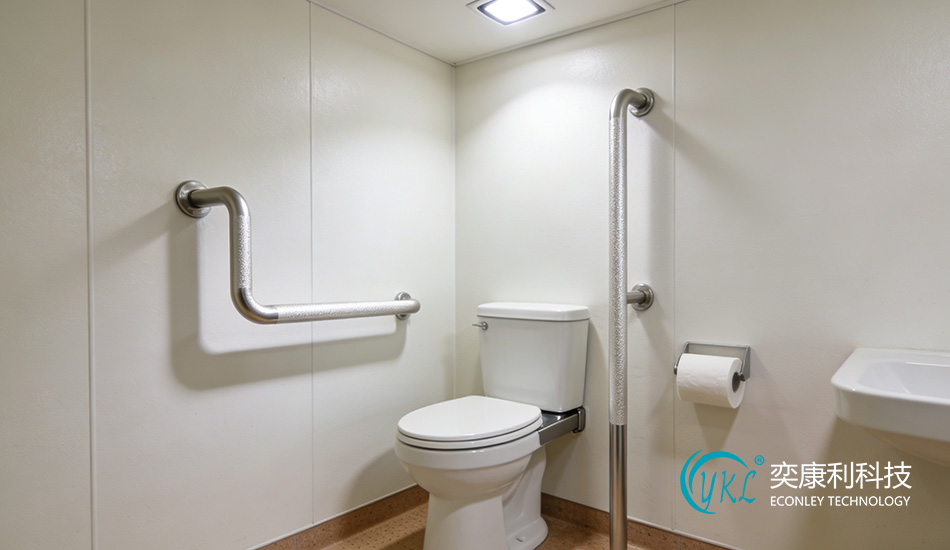
Indoor handrails are often found in homes, offices, and public buildings. They are essential for ensuring safety and accessibility in various settings. Here are some of the key benefits of installing indoor handrails:
Staircases can be challenging to navigate for people with disabilities. Indoor handrails provide the necessary support to help individuals ascend and descend stairs safely. By offering a stable grip, they reduce the risk of falling and provide peace of mind.
Bathrooms are another area where indoor handrails are particularly beneficial. Installing handrails near toilets and showers can significantly improve safety. They offer support for individuals to transfer themselves or stand up without the risk of slipping on wet surfaces.
Indoor handrails are not limited to staircases and bathrooms. They can be installed in hallways, corridors, and any other area where additional support is needed. By strategically placing handrails, you can create a more accessible environment that promotes independence and mobility.
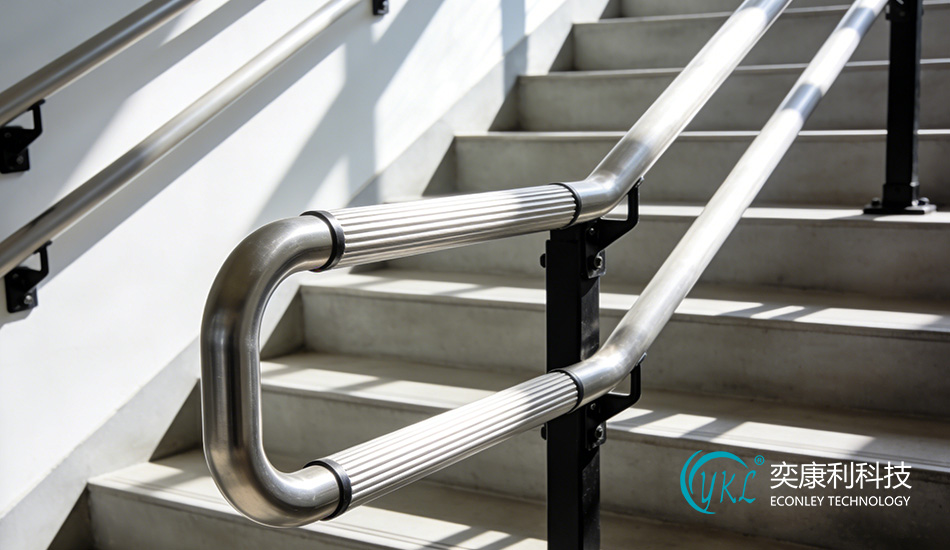
Outdoor handrails are equally important in providing accessibility and safety. They are commonly found in places like parks, public buildings, and residential areas. Here are some of the advantages of outdoor handrails:
Outdoor handrails are essential for navigating slopes and ramps. They provide stability and support, making it easier for individuals with mobility challenges to move around. With the right handrail, slopes and ramps become less daunting and more accessible.
Outdoor handrails are designed to withstand various weather conditions. Whether it's rain, snow, or intense sunlight, these handrails are built to last. Durable materials ensure that the handrails remain functional and safe throughout the year, providing consistent support.
Public spaces should be accessible to everyone. Outdoor handrails contribute to creating inclusive environments where people with disabilities can enjoy parks, gardens, and other recreational areas. By installing barrier-free handrails, communities can promote inclusivity and equal access for all.
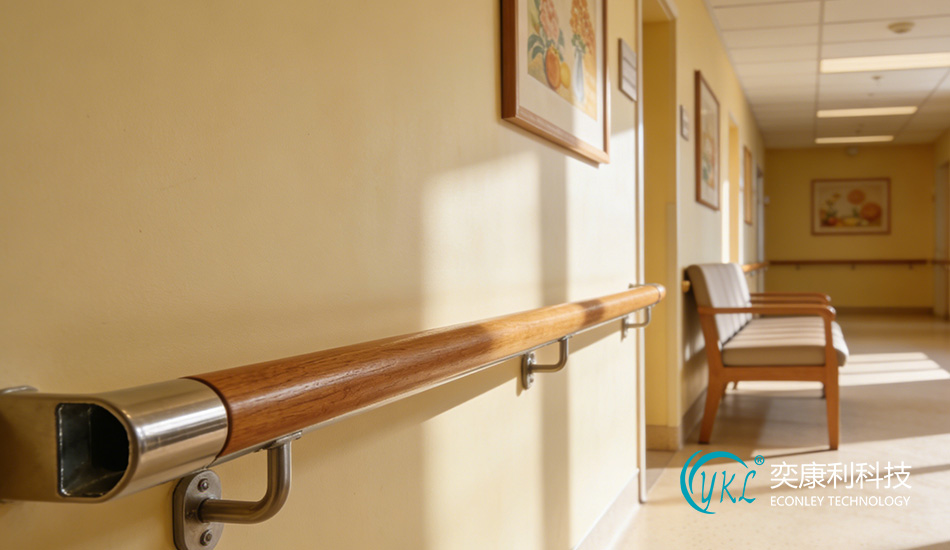
Selecting the right barrier-free handrail involves considering several factors. Here's what you need to keep in mind when choosing handrails for indoor and outdoor use:
The material of the handrail plays a significant role in its durability and functionality. Common materials include stainless steel, aluminum, and PVC. Each material has its advantages, so it's important to choose one that suits the specific needs and environment.
Stainless Steel: Known for its strength and resistance to corrosion, stainless steel is ideal for both indoor and outdoor use.
Aluminum: Lightweight and resistant to rust, aluminum handrails are suitable for outdoor applications.
PVC: Offering a non-slip surface, PVC handrails are a great choice for indoor use, especially in bathrooms.
Handrails should not only be functional but also visually appealing. Consider the design and aesthetics of the handrail to ensure it complements the overall look of the space. From sleek and modern designs to traditional styles, there's a wide range of options available to suit different preferences.
When installing barrier-free handrails, it's important to comply with local building codes and accessibility regulations. These regulations ensure that the handrails are safe and accessible for people with disabilities. Make sure to check the specific requirements in your area before installation.
Barrier-free safety handrails are a vital component of creating accessible and inclusive environments. Whether indoors or outdoors, these handrails provide support, safety, and independence for people with disabilities. By understanding the importance and benefits of handrails, and carefully selecting the right one for your needs, you can contribute to a more accessible world for everyone.
 Tel :13510328459
 Email :493432861@qq.com
 Phone :0755-82154850/25907050
 Add:205-206, 2nd Floor, Building 2, Xiazao Village Industrial Zone, Gaofeng Community, Dalang Street, Longhua District, Shenzhen City

About

Products
Cases
News
Contact
 493432861@qq.com